

Pines Profile - Hal Rubenstein (b. 1950)
Authenticity, Curiosity and a Burning Desire to Create
By Virun Rampersad. February 2026.
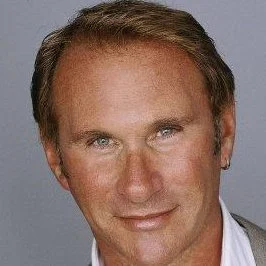
Hal Rubenstein’s life does not follow a straight line. Indeed, to the casual observer, it may appear to be a series of unrelated pursuits and chance encounters.
Hal Rubenstein. Photo courtesy of Forbes Magazine
A closer look, however, reveals something far more deliberate -- a pattern of conscious choices, responding to opportunities recognized or engineered, each driven by authenticity, curiosity, and an irrepressible urge to create.
Charting his own course, guided by instinct and a carefully chosen circle of influencers, Hal has built a diverse, productive, and dynamic life, one that respects history without being constrained by it. Along the way, he has risen to the highest levels of fashion, dining and media, where his voice, vision, and talent have made him a defining figure and a household name.
Early Life
Hal was born in New York City in 1950. A gay kid who would go on to be one of the premier voices in fashion, he grew up playing with airplanes, not dolls, a reflection of his father who worked for the Federal Aviation Administration.
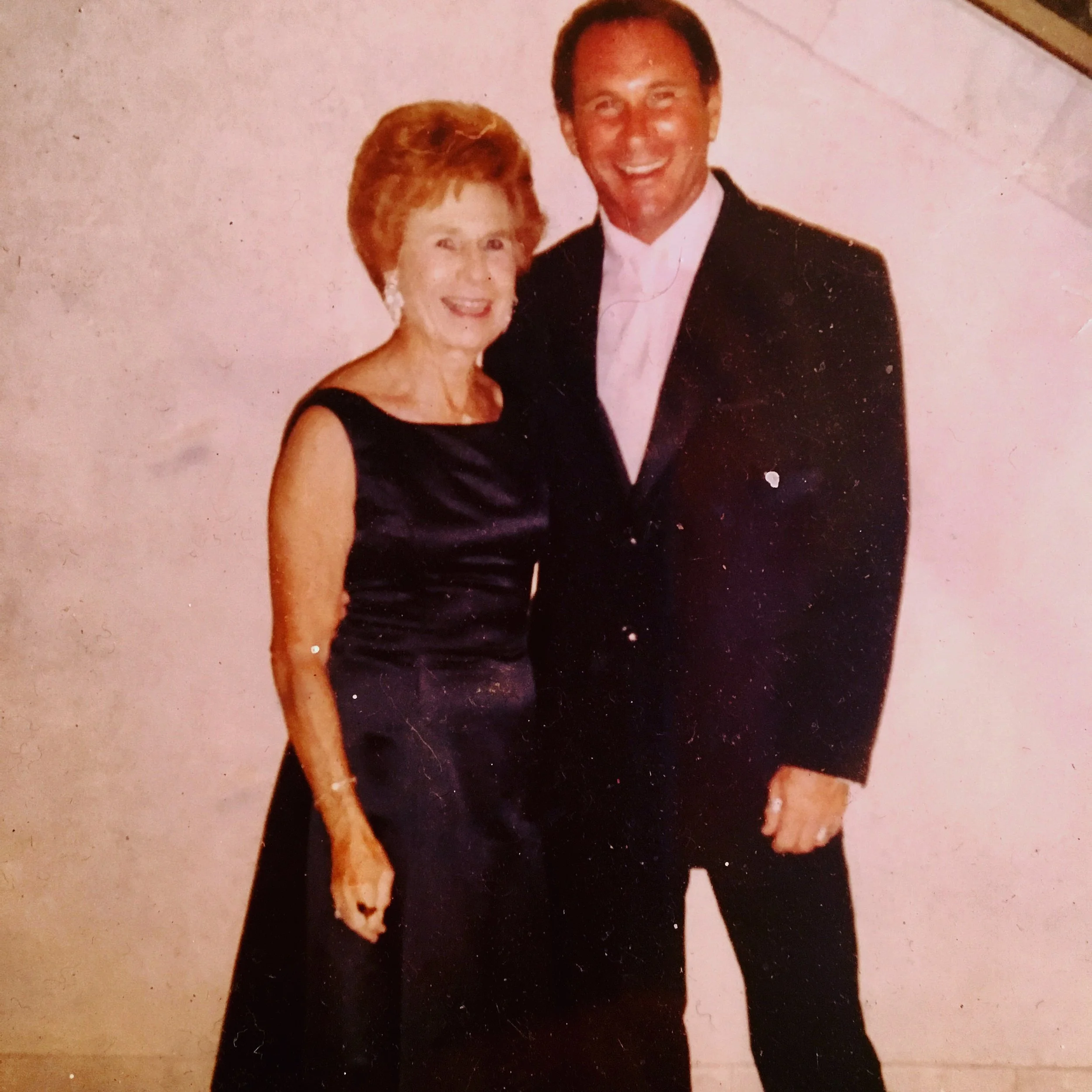
His mother was first a homemaker and then a bookkeeper. She helped instill the values of discipline and preparation that characterized virtually everything he did in later life, ensuring that his homework was always done and he was set up to excel in school.
Hal Rubenstein and his mother Blanche. Photo courtesy of Hal Rubenstein.
Stony Brook, New York City, and the Ferry to Fire Island
While an undergraduate at SUNY Stony Brook Hal’s world expanded rapidly. He started frequenting Manhattan’s gay bars on weekends where he heard about Fire Island. Always curious, one summer day he boarded a ferry in Sayville. It was literally a voyage of discovery and change. Stepping onto the dock in the Pines, Hal discovered a place that offered everything he was searching for— beauty, acceptance, safety, friendship, joy, and sex. It became a regular weekend haunt for him.
1971: Fire Island on His Terms
In 1971, Hal enrolled in graduate school in New York City to study film. That same year, he took his first Pines house share, a rustic bungalow at the corner of Ocean and Sky Walks.
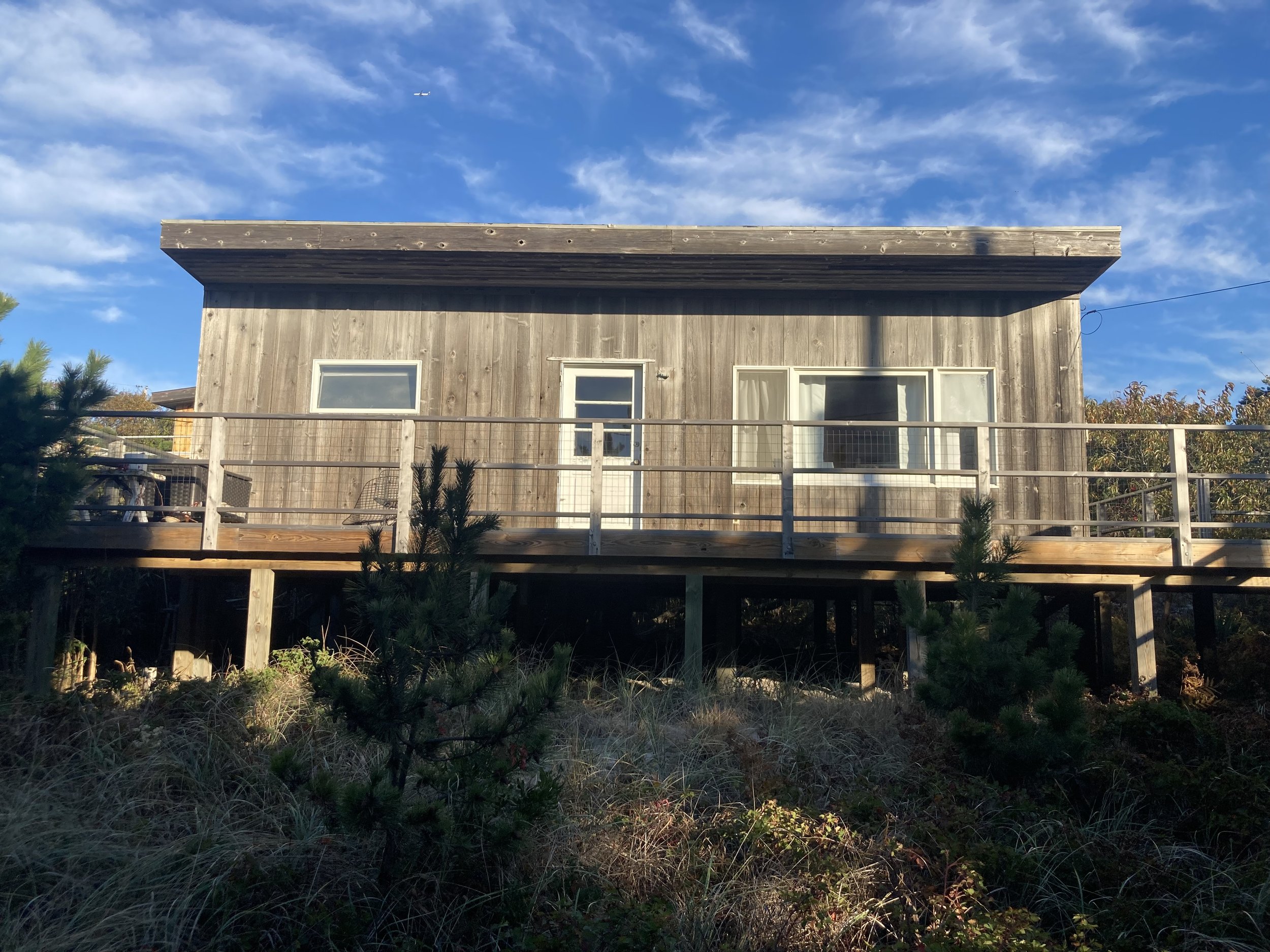
Hal’s first share house on Ocean Walk in the Pines. Photo courtesy of Jerry Gaschen.
Unlike many houses at the time, his housemates were racially diverse, a mix of Black, White, and Latino men. For Hal, it was an ideal group -- smart, interesting, and easy to live with. In those years, however, racial prejudice still surfaced in parts of the Pines. For Hal, that was unacceptable; when party invitations excluded any of his housemates, he politely declined them. It was a simple statement that for Hal values mattered.
Early Work: Survival, Setbacks, and Then an Opening
To support himself in graduate school, Hal taught high school. While reading his students’ papers it occurred to him that maybe his own writing abilities were something special. After grad school, he started his first major venture, a catering business which he ran for a decade, serving clients in New York City and the Pines. At the same time, he began writing about film for magazines. Unfortunately, that was short-lived as many publications went under in the city’s fiscal crisis of the 70s. The industry’s collapse had a profound effect on Hal. He developed a writer’s block that lasted nearly a decade, stopping writing entirely—even recipes—and instead committing everything to memory.
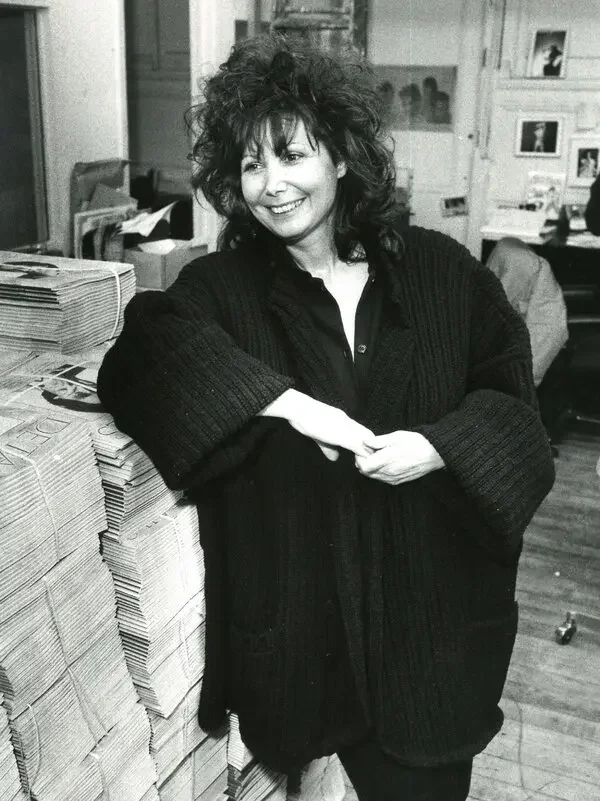
In 1982, a catering client, Annie Flanders, was preparing to launch a new downtown magazine called Details and invited Hal to contribute. When she suggested he write about food, Hal said his real passion was dining out. This led to his column, “I’ll Eat Manhattan”. It was a move that would have a major impact on his career and life.
Annie Flanders. Photo courtesy of The New York Times
Details was a hit and soon became known as ‘The Downtown Bible’. It had an incredibly talented team that included Bill Cunningham, who went on to be a legendary photographer at the New York Times and Michael Musto who later became famous at The Village Voice. Hal’s column, with its freshness and wit, became very popular. His brand grew rapidly, leading to work with other magazines like Vogue and New Yorker.
Egg, A Short-Lived Nirvana
I’ll Eat Manhattan caught the attention of legendary publisher Malcolm Forbes, who invited Hal for a chat. When Forbes asked his opinion about the state of the publishing industry Hal did not hold back. He described it as ‘lacking curiosity’, pointing out that every magazine was covering established successes, and there was nothing about discovery.
Hal’s willingness to speak his mind – backed by a well-informed point of view – made an impact on Forbes and ultimately led to him becoming the head of the newly launched EGG magazine. This represented a step into new territory for Hal – he had never run a magazine before. However, he seized it with both hands. Always respectful of expertise and very effective at working across age difference, Hal soaked up lessons from the legendary Forbes. As he noted, he would routinely ask himself – “What is it that I don’t know?”

Malcolm Forbes, Hal Rubenstein and Elizabeth Taylor. Photo courtesy of EGG Magazine.
At EGG Hal demonstrated he had the ability to identify and recruit talent to drive success. Together he and Forbes assembled an untraditional team of cultural renegades across various disciplines, all with voracious curiosity. It included Jim Mullen, Deborah Kirk, Douglas Riccardi, Jeff Yarbrough, and Alan Poul (who later went on to create the highly acclaimed TV series, Six Feet Under). They also brought on downtown denizens who, by their own admission, rarely saw daylight (or ventured above 14th Street), like Pines resident Bill Van Parys. When asked about his hiring philosophy and how it influenced the composition of the team he formed, Hal had this to say:
“While qualifications, experience and ability matter, what’s really critical is whether you can spend eight to ten hours a day, five or six days week with the person.”
The magazine stuck to its mission and did pieces on emerging stars like Liam Neeson, Annette Bening, John Cusack and Chris Isaac. The biggest impact Egg had was it changed the way stories were told. Filmmakers interviewed celebrities while on the road to fun destinations, and its restaurant column consisted entirely of bitchy, celebrity-focused tidbits gleaned from a network of clandestine servers in top restaurants. Its fashion column was perhaps its most innovative; budget constrained, Hal and the Egg team came up with a feature called the $100 Shopping Spree in which they did pieces on famous designers creating looks with just $100. It included Michael Kors going to the Salvation Army, Mary McFadden going to Chinatown and Carolina Herrera visiting St. Mark’s Place. The approach created a shift; people began recognizing clothes from the street versus the runway. It was classic Hal -- new, edgy and exciting -- and people responded.
Then, in 1990, Malcolm Forbes suddenly died of a heart attack, and everything changed. Almost immediately, his son, Steve Forbes moved to shut down the business. Hal arrived one day to find the office padlocked and notices of termination awaiting them. The shock was palpable, but by then Hal had developed resilience. He mourned the loss and moved on.
Speaking Truth to Power
By 1990, Hal was a known name in the industry and recognized as someone who shook things up as a connector -- Uptown/ Downtown, NYC /LA, subculture/mainstream. He had a reputation for making things hip, juicy and required reading. Not surprisingly when EGG was shut down, he had no problem finding work, writing for various magazines on a freelance basis, enjoying the freedom of getting back to basics.
One day Hal was invited to a meeting with Carrie Donovan at the New York Times Magazine.
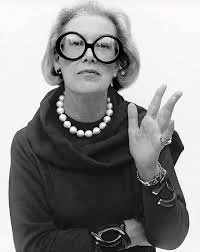
After discussing fashion and trading gossip Carrie asked Hal’s opinion on how the Times Magazine covered men’s fashion. Hal was once again his authentic self:
“Boring and dated.”
Carrie Donovan. Photo courtesy of The New York Times
The magazine, Hal pointed out, focused on standards like Paul Stuart and Brooks Brothers, who dressed men conservatively in ways they would not stand out. There were other designers, like Armani and Versace, who they were not covering, whose clothes made men look sharp and sexy. From his perspective that was far more interesting and provocative and would certainly make for better copy.
At that point, Carrie got up and walked out of the room saying to her colleagues in attendance: “Oh, for Christ’s sake, just give him the job, will you?”
Hal’s response: “What job?”
And just like that, in 1991, Hal became the Men’s Style Director for the New York Times Magazine.
When asked about the randomness of the event – a casual industry chat suddenly morphs into a job at the New York Times Magazine -- he articulates another one of his philosophies:
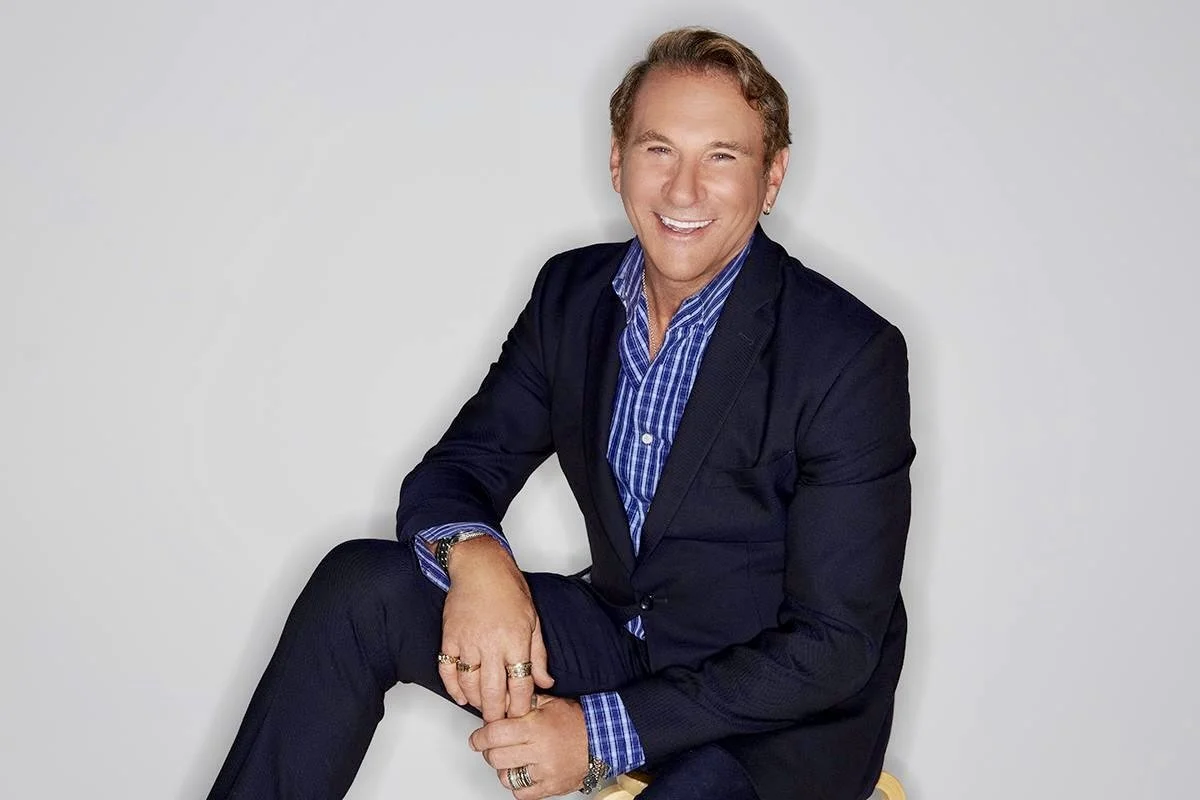
“Life is random. You never know what’s going to crop up, so your best bet is to be flexible and be able to pivot.”
Hal Rubenstein. Photo courtesy of Fashion Institute of Technology.
At the Times he sent a message that men, as well as women, could make an entrance. His work catapulted him into the ranks of the pre-eminent voices on men’s fashion. Soon he was sought after for interviews and television appearances. During this time, he wrote his first book “Paisley Goes with Nothing” a witty guide to men’s fashion.
It soon became evident that when he padlocked the doors at EGG, Steve Forbes opened a whole new world for Hal.
Risk and Reward: InStyle
In 1994 Martha Nelson was founding a magazine called InStyle and asked Hal to a write a column for it called The Look. In a decision that was widely panned and called a ‘career-ending mistake’, Hal followed his instincts and left the Times to join Martha and the team.
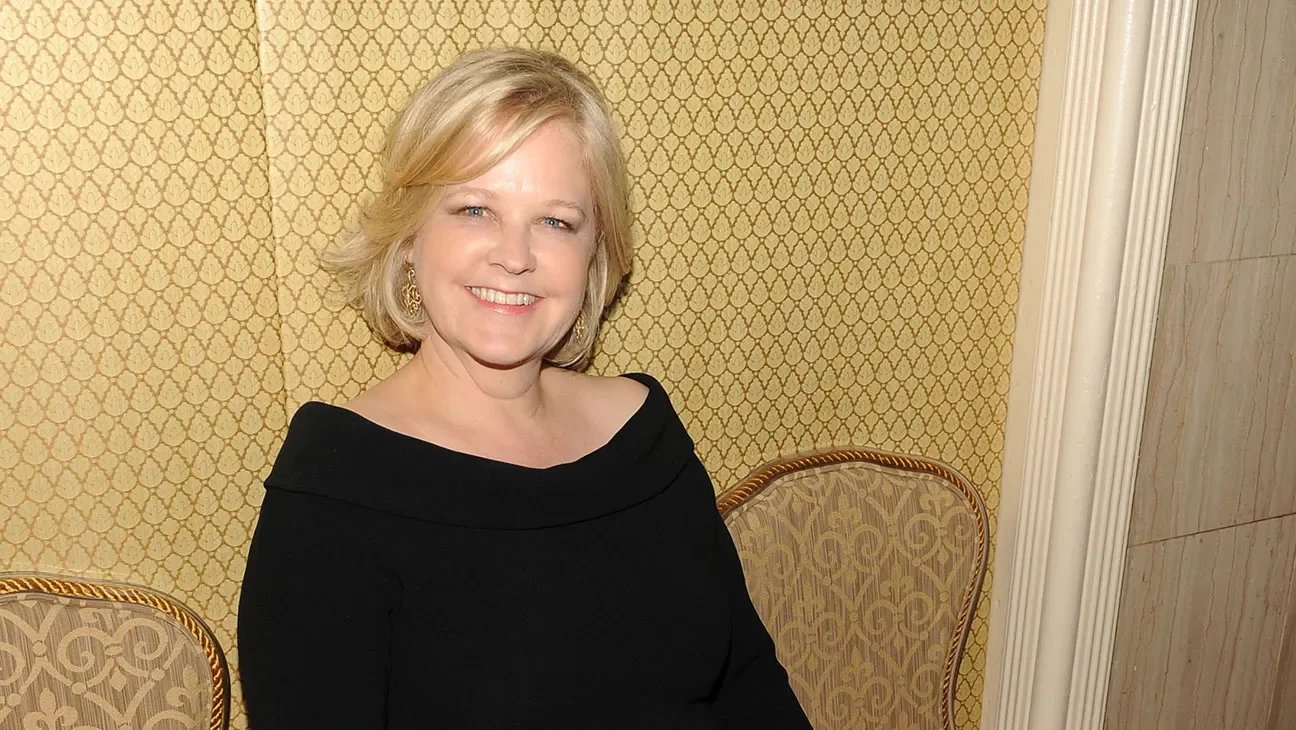
Martha Nelson. Photo courtesy of Instyle Magazine.
Over the next fifteen years, along with Martha, David Hawkins, Tim Allis and Charla Lawhon, Hal helped shape InStyle into one of the pre-eminent fashion magazines in the world. Unlike magazines like Vogue, where the fashions were unattainable for the average person, their vision was: ‘You Can Do This’. They sought to present ways that looking great was something the average person could do. Hal’s gamble paid off. It was a huge hit and in 2011, he received the prestigious CFDA Eleanor Lambert Founder’s Award, recognizing his groundbreaking contributions to fashion publishing.
Over the next decade, Hal’s career flourished. In 2013, he debuted his own fashion and footwear collection on the Home Shopping Network (HSN) and formed his own company Hal Rubenstein & Associates, offering brand-consultation services. In 2014, in a move that required him to step away from his fulltime duties at InStyle, he was named Global Style Director for Gabriel & Co., a fine jewelry house. He also continued to be a prolific writer, with works like 100 Unforgettable Dresses, The Looks of Love, and Dressing the Part. He became a regular speaker at leading institutions including the Fashion Institute of Technology, and his media appearances spanned The View, Today, E!, Oprah, and more.
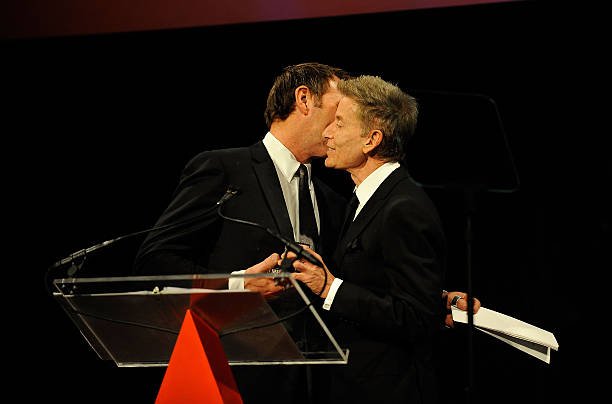
Fifteen years into the new millennium, Hal had reached heights that he could never conceive of back in 1971. He had become, as acclaimed journalist Dana Thomas, put it: ‘The dean of style and culture journalism in New York.’
Hal Rubenstein with Calvin Klein. Photo credit: Unknown
Former colleague and Pines resident Bill Van Parys had this to say:
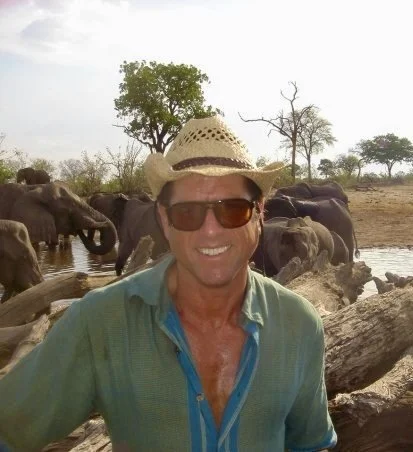
“It can be safely argued that no one changed the face of US publishing in the late 20th century more than Hal. He was the first to crack the code in commodifying a cutting edge lifestyle. His quintessentially New York-y, pop-laden references — “Hal-isms” as they were known-- changed the face of writing and the way in which stories are told. Hal was the original influencer, long before the term existed."
Bill Van Parys. Photo courtesy of Bill Van Parys.
AIDS, the Pines, and Choosing Life
For his entire career journey, Hal continued to spend his summers on Fire Island. It was a major force in his life and work. In his early years, the more seasoned members of the community took him under their wing, introducing him to books, films, fashion, and sex. All around him were scores of handsome young men -- on the beaches, boardwalks, and in the clubs -- drinking, dancing, and falling into fleeting romances. In this environment of safety, acceptance and openness, Hal discovered the pure joy of being gay. He had always known he was different and had never regretted it. Now he celebrated it. For a man who was committed to living authentically, it was a perfect haven for him. As he notes:
“Fire Island helped shape me into the person I am today. It has influenced my views and the way I think about life, and it has provided me with love and support, especially at some of the most difficult times in my life.”
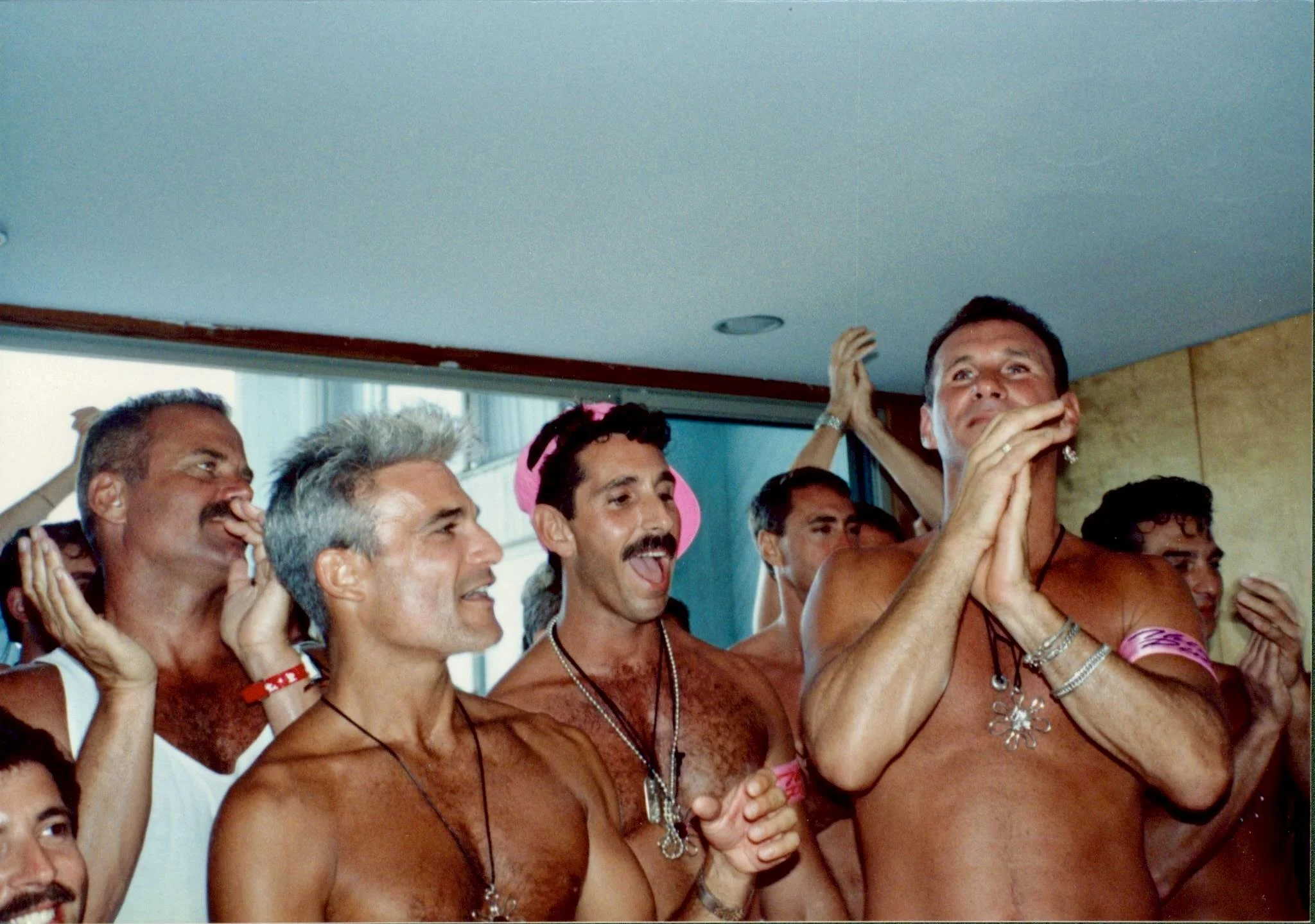
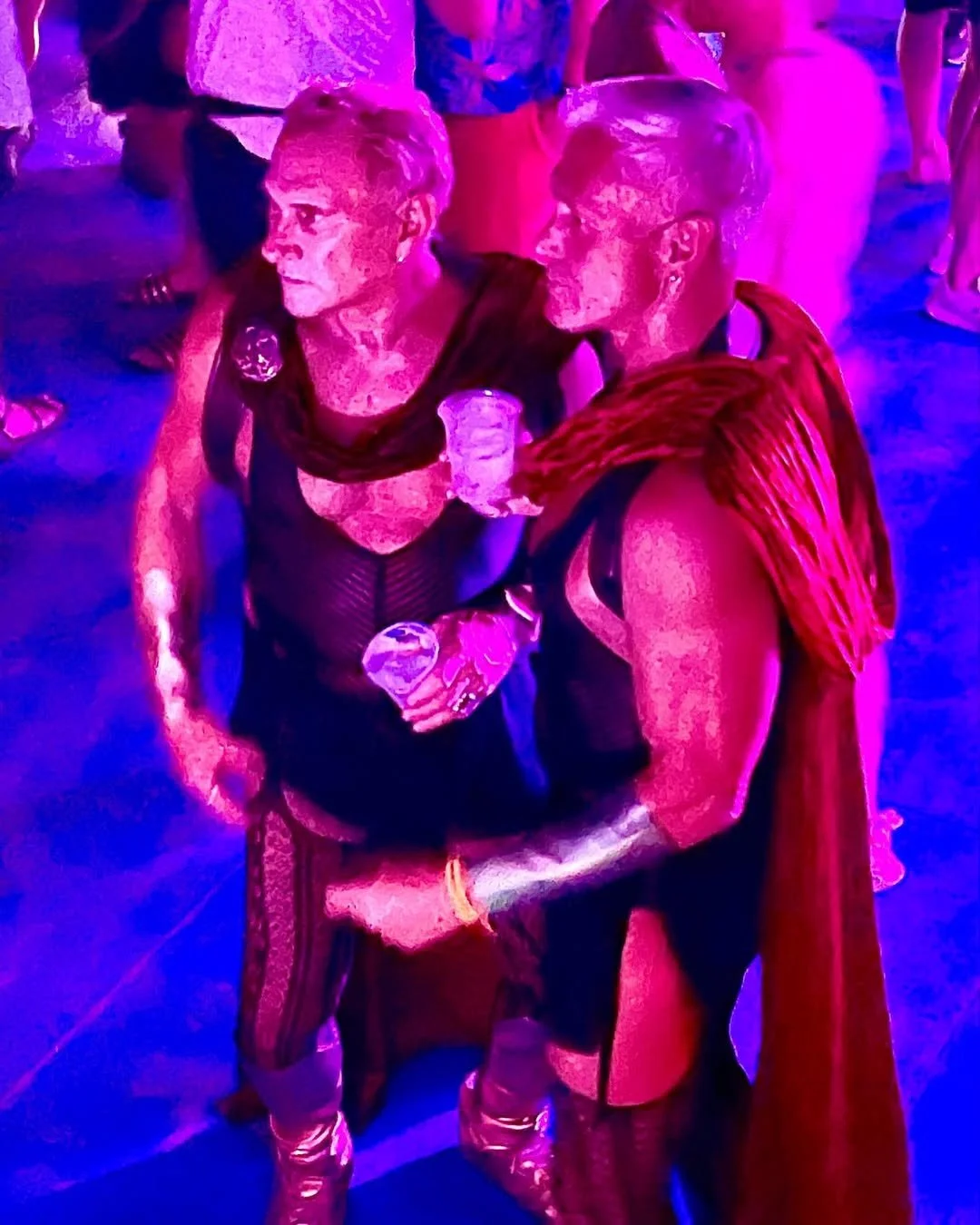
Hal Rubenstein and friends at the Think Pink Party in the Fire Island Pines. Photo credit: Unknown.
Over the years, Hal drew on the Pines for inspiration, energy and excitement, attending the iconic events of the late 20th century including One Night in Havana, Red Party, Sunrise, Beach, Think Pink Party, and numerous Morning Parties. He tapped into the spirit of a community filled with smart, creative and accomplished people and brought it to life in his work, injecting columns on both fashion and dining with freshness and excitement. When asked about it, he lights up.
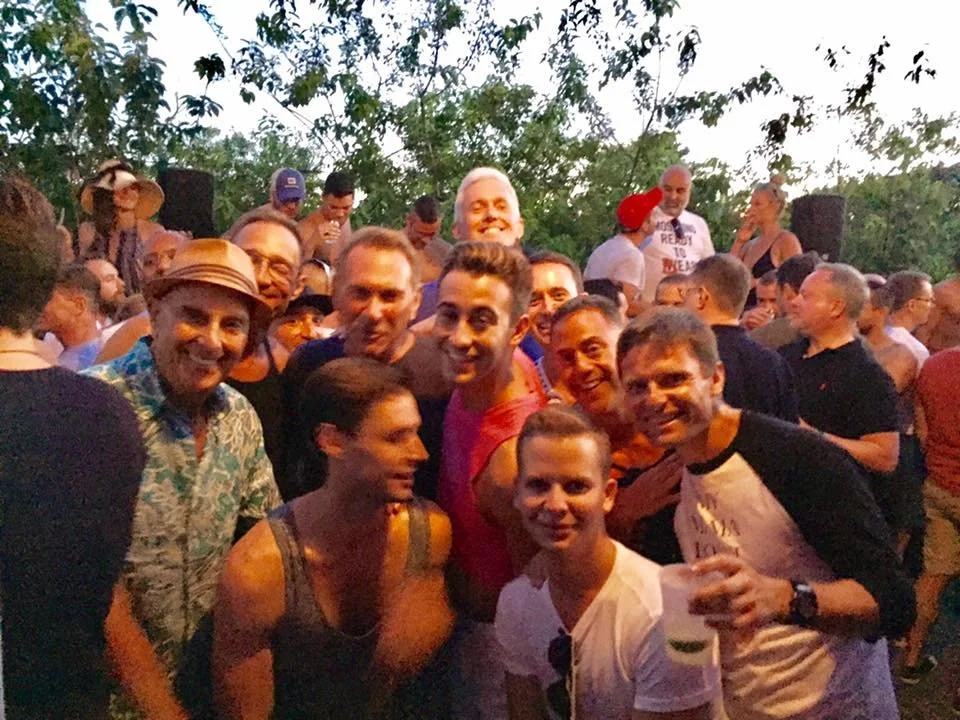
“The Pines is a magical place. I’ve felt its magic. Getting on that ferry you feel you are in cosmic hands. You leave behind the stresses of the day to day, the challenges of work and get to live your authentic life among great, handsome, sexy, interesting, creative people. You can’t help but be inspired!”
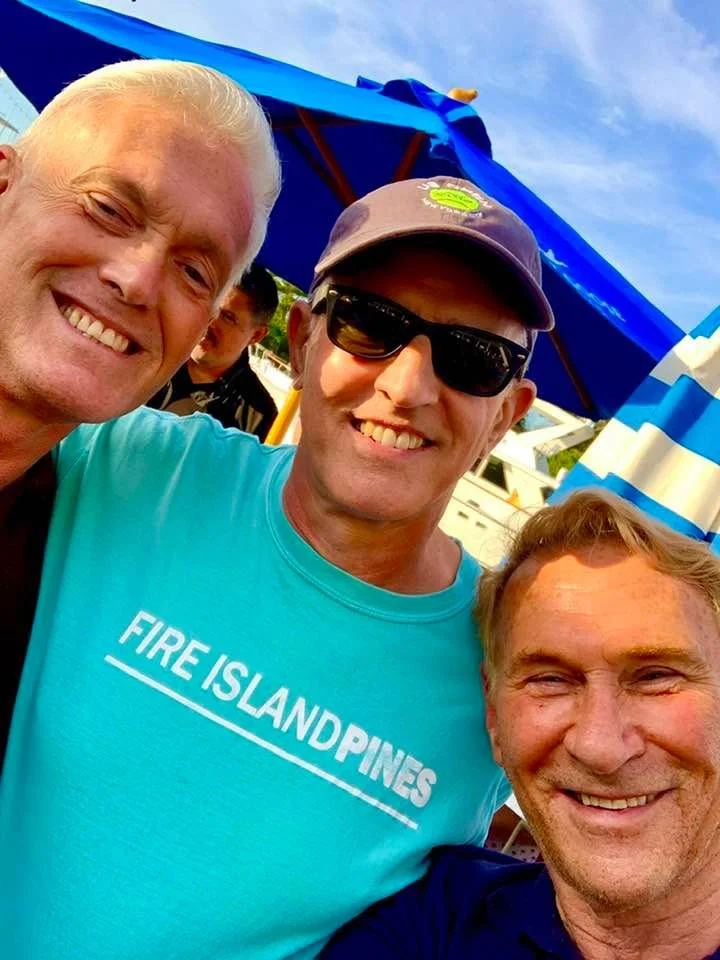
Hal and friends in the Pines. Photo courtesy of Howard Goldfarb.
Sadly, it wasn’t always fun and games. When AIDS struck, the Pines was ground zero. Many died, and many others left. Hal stayed. For him, there was never a question. Unlike some who blamed the Pines for the spread of the disease, Hal saw it as a place of strength, a community that would endure and overcome.
Diagnosed HIV-positive early on, he refused his doctor’s grim advice to take AZT and prepare for death. Instead, he chose life. He joined drug trials, consulted herbalists, and kept himself in good physical condition. Although he lost all his housemates, Hal’s resilience proved extraordinary, surviving long enough to benefit from the arrival of the life-saving antiretroviral cocktail.
Reflecting on that time, Hal recalls the fear and hostility it provoked from the outside world. Those with HIV were shunned -- some people refused to share an elevator or even be in the same room, let alone shake hands, with someone afflicted by AIDS. In the Pines, however, it was different. Hal remembers no prejudice or cruelty, only compassion. People understood, and they cared. The community reminded him that he had done nothing wrong. It reassured him that he was not damaged goods, but a person of worth who deserved love and dignity. At a time when the political leaders and mainstream America were saying the opposite, it was a much needed and appreciated message from both the gay and straight members of a community he loved.
True Love and Building a Life Together
In 1996, through America Online -- the precursor to AOL (and well before GRINDR and Tinder) -- Hal met David Nickle, a handsome young man from Oklahoma. Although different in their upbringing, religion and culture, the match worked. After speaking for some time, David made a trip to New York so they could finally meet in person. For Hal it clicked right away. As Hal told his friend Jerry Chasen:
“When we first met, we hugged and I smelled him and I knew it was going to work.”
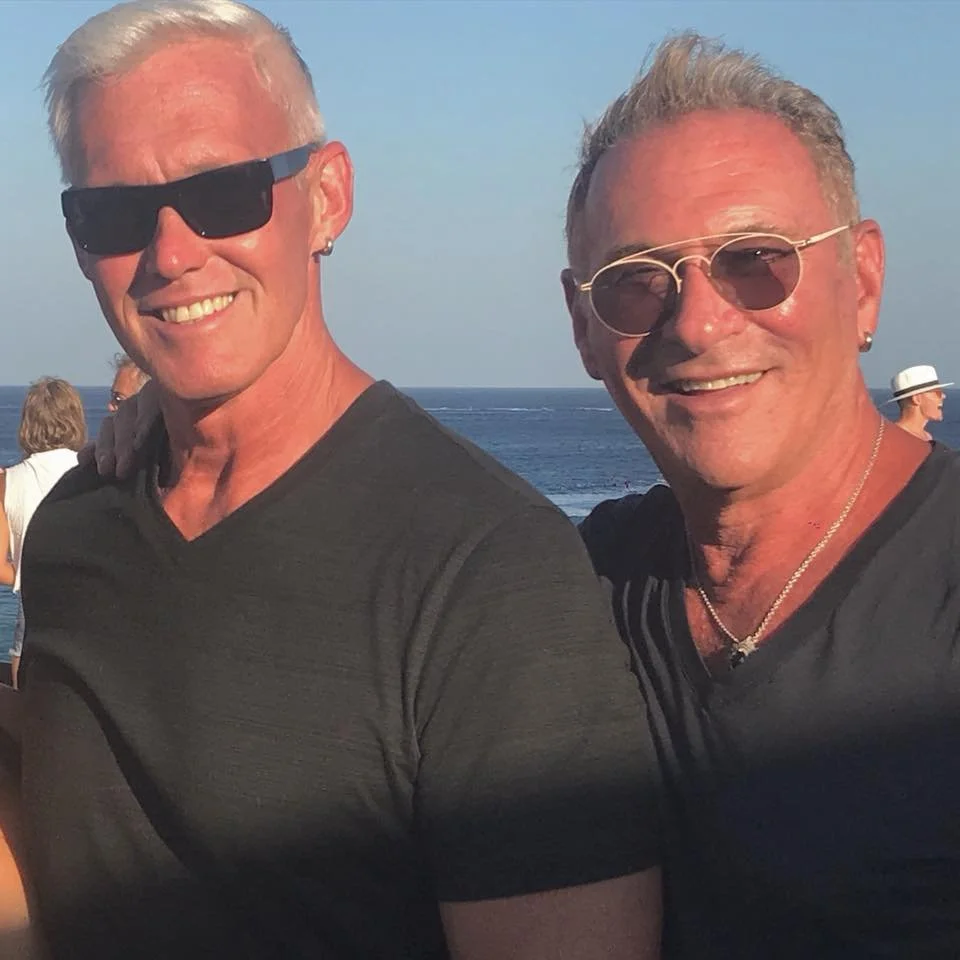
David Nickle and Hal Rubenstein. Photo courtesy of Hal Rubenstein.
David felt the same way, and together they worked to find common ground and establish a dynamic that suited them both. One adjustment involved life in Fire Island. While David enjoyed the Pines, he was not drawn to house sharing and never took to swimming in the ocean. Their solution was to buy a house of their own—with a pool—allowing each of them to experience the Pines in a way that felt right. That decision is illustrative of their lives together: a partnership rooted in mutual respect that allows space for individual pursuits while intentionally creating ways to come together.
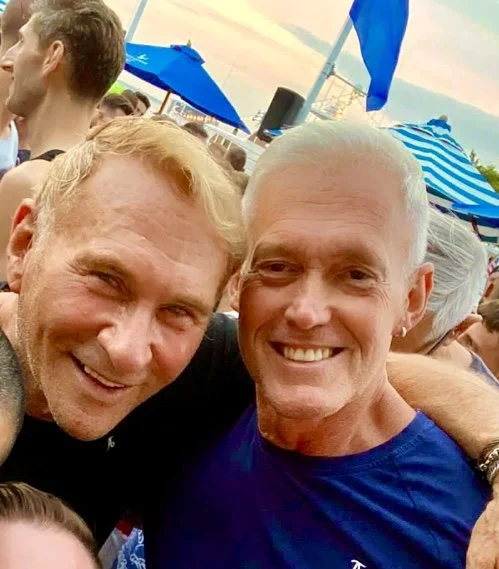
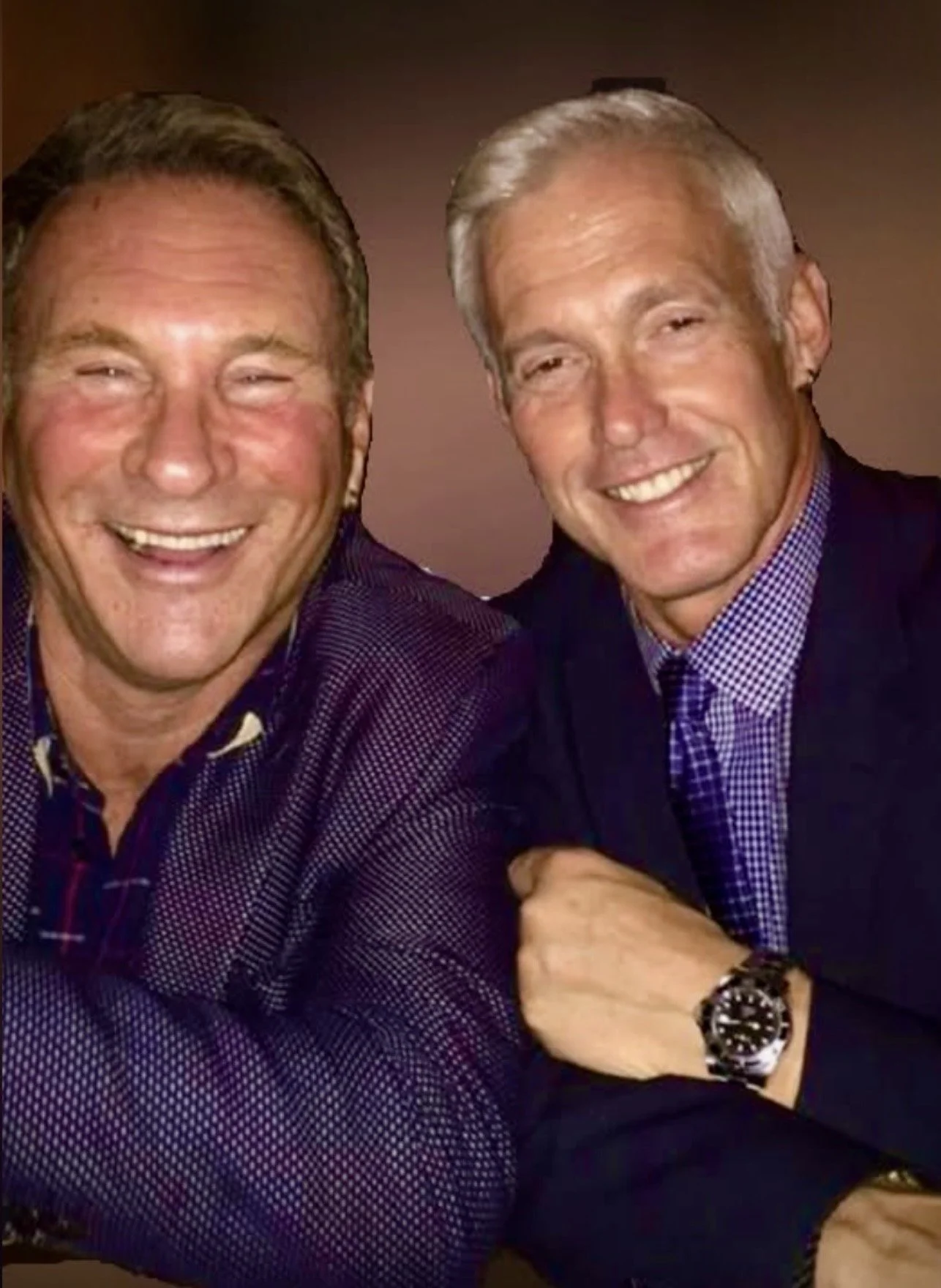
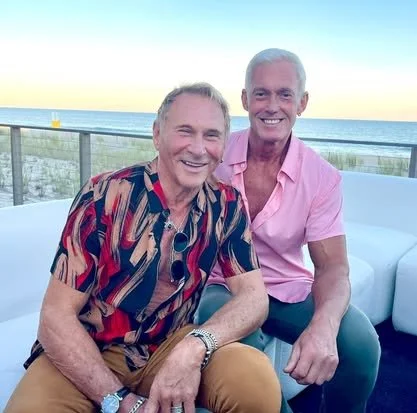
Today, for both Hal and David (along with their dog Murray), Fire Island is home. They are excited to open the house every spring and reconnect with friends they missed over the winter.
Hal Rubenstein and David Nickle in Fire Island Pines. Photo courtesy of Hal Rubenstein.
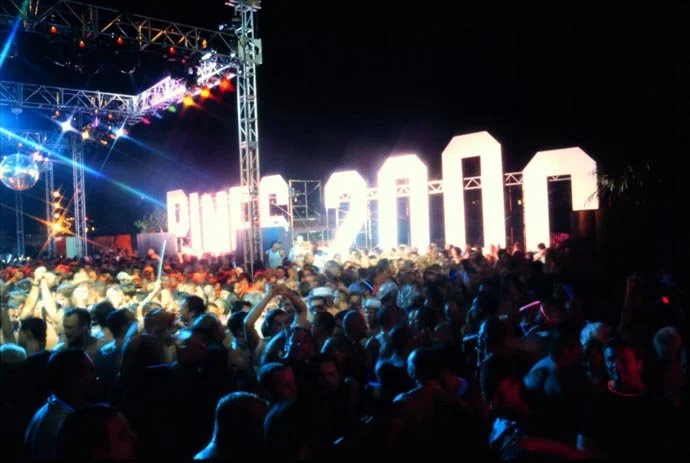
Over the years they have given back generously to the community. For a number of years Hal served on the board of the property owners association (FIPPOA), during which time he and Jay Pagano revitalized the community’s major event, Pines Party.
Pines Party. Photo courtesy of Pines Party.
In his signature style Hal formed a clear vision for the event. He manifested it by adopting a more professional approach, with better production values, sponsors and DJs. Jack Nolan, who worked with him on the project credited his approach to injecting much needed energy and freshness. Driving change in the Pines is not easy, and at times Hal became impatient with those who were intransigent or slow to understand. However, he persevered and the party was a huge success. As Jack noted, while Hal operated with a high standard of excellence, it was clear to everyone that he thrived on mutual respect and valued expertise regardless of age or background.
In addition to Pines Party, Hal, along with David and former Pines residents and business owners Eric Von Kuersteinerand Tony Roncalli, founded the Ascension Party in 2006. Held on the Pines beach in August, it raised funds for the Fund in The Sun charity whose beneficiaries included the Pines itself, and LGBTQ charitable organizations such as Hetrick-Martin Institute, Harvey Milk High School and others.
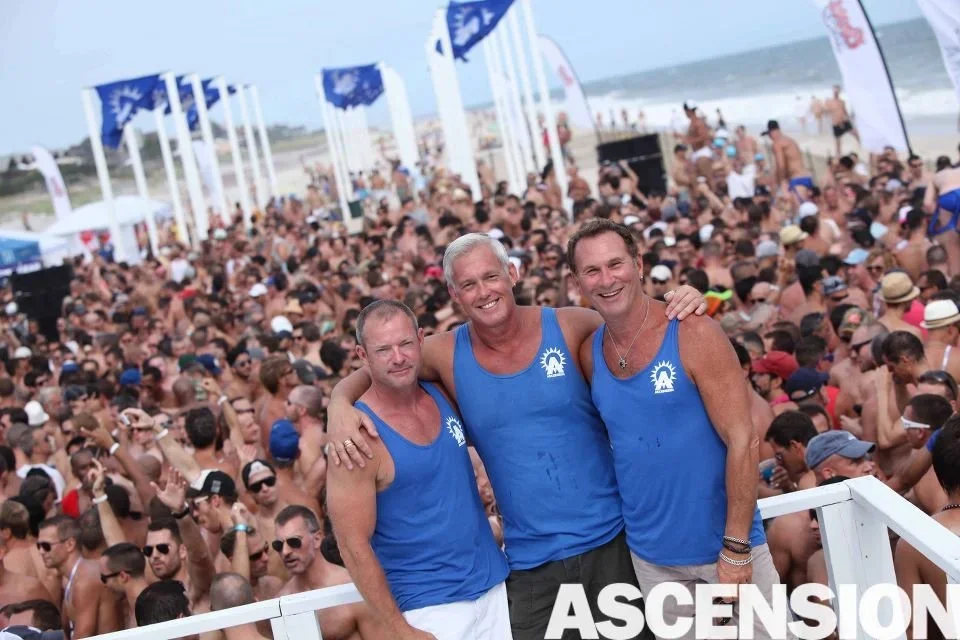
Eric Von Kuersteiner, David Nickle and Hal Rubenstein. Photo courtesy of Hal Rubenstein
With a deep understanding of the Pines culture, and a focus on inclusion, Hal helped create a memorable daytime beach party. Todd Furey, a young and relatively unknown DJ hired for the event remembers the experience working with Hal:
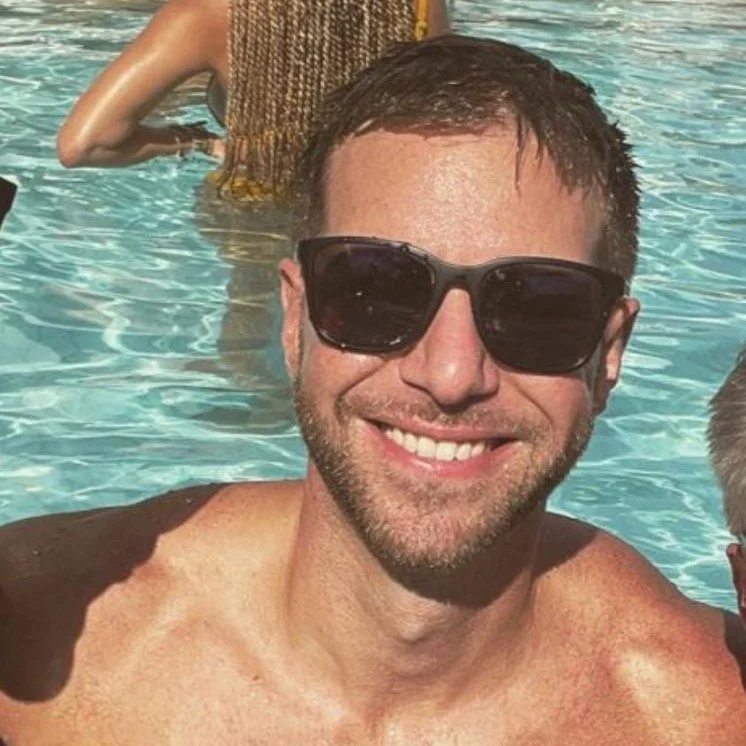
“Hal is an amazingly talented man! He had a clear vision of what he wanted to create for the community. We discussed it and then he left me to do my thing. I am so proud of how well that day went.”
Todd Furey. Photo courtesy of Todd Furey.
In addition to Ascension, Hal contributed to community life by moderating Boardwalk Talks, including a memorable live interview with fashion icon Pat Cleveland, and chaired the SOS “Shopping on Saturday” benefit. It was his way of saying thank you to a community which had given him so much.
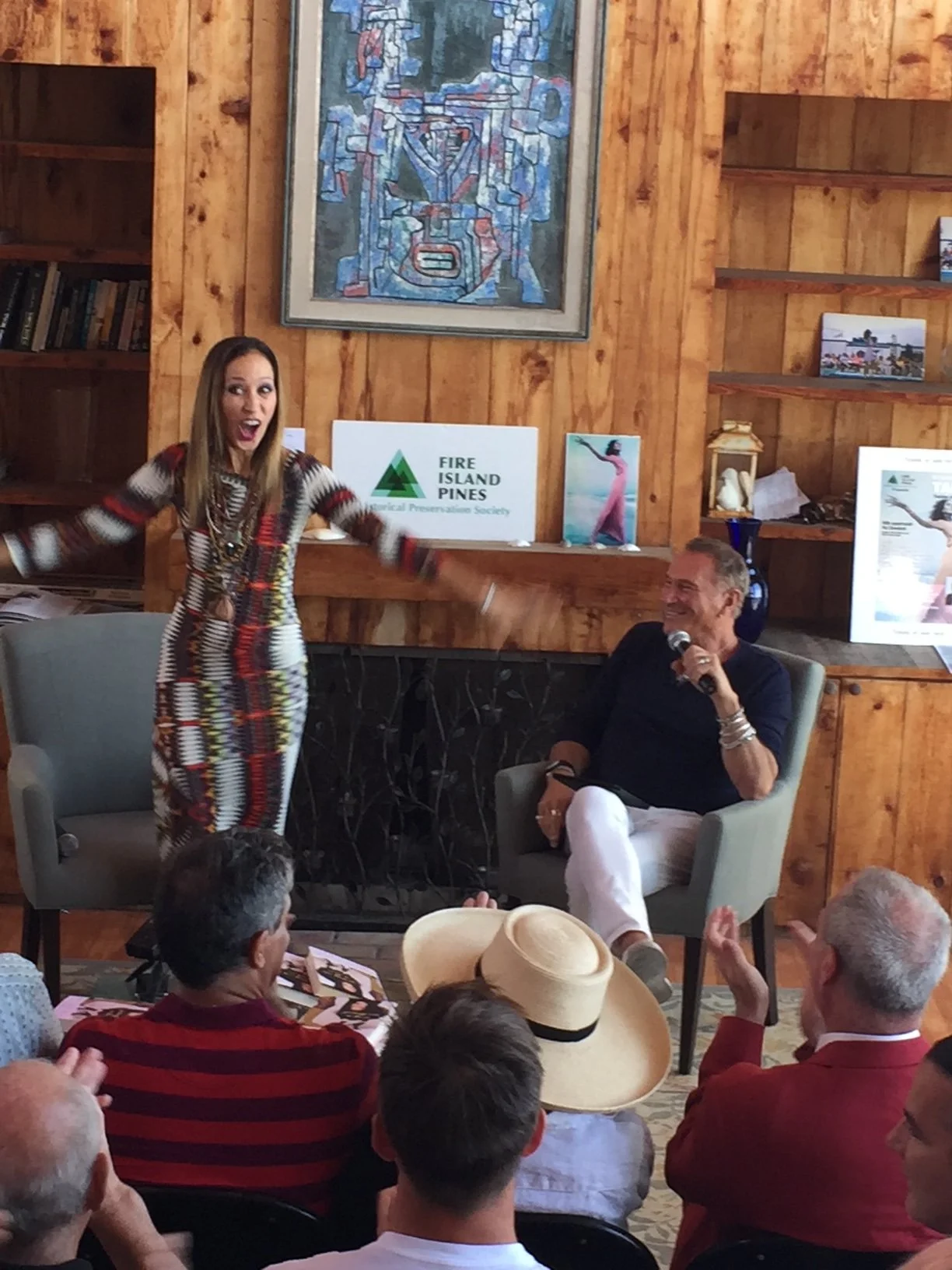
Pat Cleveland with Hal Rubenstein. Photo courtesy of Scott Bromley.
When discussing his feelings about the Pines Hal is unambiguous.
“The Pines is my home. It has given me love, happiness, sex, friendships and a vehicle to do good work. And it has provided me with people I look up to, people who inspired me like Robert Rose, George San Pietro, Ron McKenna, Jim Pepper, Eric Sawyer, Scott Bromley and Anthony West. It’s only right that I give back to it in ways that make sense.”
In 2006, Hal stepped down from the FIPPOA Board when the community elected a president who had a different vision for the future. Hal recognized this was not a formula for success and rather than be a cog in the works, he cleared the way for others who shared the new leader’s goals. He did not, however, withdraw his support for community events, continuing to be an active presence and support both Pines Party and the Fire Island Dance Festival generously.
Family
Deepak Chopra once said: “If you are authentic, no matter who you are or where you come from, people will follow you.”
That has certainly been the case in Hal’s life. He is close with his family, and his friends’ circle is large, formed over several decades and spanning multiple generations, geographies and backgrounds.
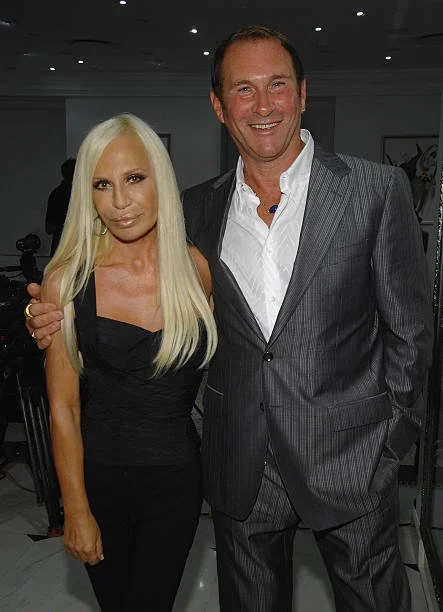
It ranges from celebrities (he was asked by Donatella Versace to help with her brother Gianni’s memorial) to people he’s met at the gym. When asked to describe Hal, ‘authentic’ is overwhelmingly the first word mentioned. They also note that he is curious and possesses a burning desire to create. As one noted wryly:
“The day you see Hal stop creating, start planning the shiva!”
Donatella Versace with Hal Rubenstein. Photo courtesy of Hal Rubenstein.
People also note that while Hal excels at entertaining -- preparing amazing meals, creating a great ambiance, and telling engaging and memorable stories – what they really appreciate is he is always there when needed in a meaningful way. Jack Nolan credits Hal with helping him survive COVID, and Jerry Chasen notes their 40+ year friendship has never depended on geography or social circles. David Aldea articulates a common theme:
“Hal is the first person I go to for advice. It’s invariably clear and well thought through, and he always follows up because he cares.”
Building His Future
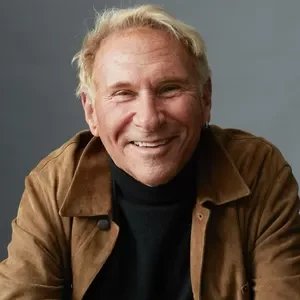
Hal’s desire to create has most recently taken him into the realm of podcasting, with the creation of The Happy Grown Up.
A compelling series that discusses ways to overcome challenges and find happiness in life after 50, its underlying message is the same as the decision Hal made over four decades ago - choose life.
Hal Rubenstein. Photo courtesy of Hal Rubenstein.
Despite the demands of the new venture, and some recent medical challenges, Hal maintains an active social life. He takes advantage of New York’s diverse cultural scene and entertains at home, especially over the holidays. He continues to spend much of the summer in the Pines, where he is a regular at Tea, Pines Party and the annual Halloween Party. When asked about his busy schedule he becomes animated:
“If there’s one thing I’ve learned, it’s that life is precious. It’s not always easy. I’m HIV-positive, and in the last three years I’ve had countless surgeries—I now have a spine made of titanium—so I understand challenge. And I still say: embrace life. Don’t waste time. Make it meaningful. Live with kindness and understanding.”
Reflections
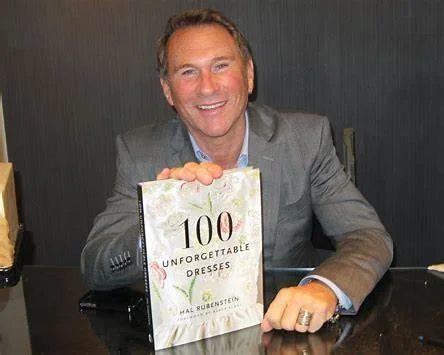
Hal Rubenstein is a rare talent. His career stands as proof of what’s possible when ability meets opportunity and courage.
Hal Rubenstein with his book 100 Unforgettable Dresses. Photo courtesy of Hal Rubenstein.
A formidable and deeply creative presence, his command of language, spoken and written, allows people to connect with his ideas almost viscerally. Over time, he has become an interpreter of glamour, a custodian of culture, and an agent of change, reshaping how people think not only about fashion and dining, but about life itself. As his Pines neighbor Anthony West observed:
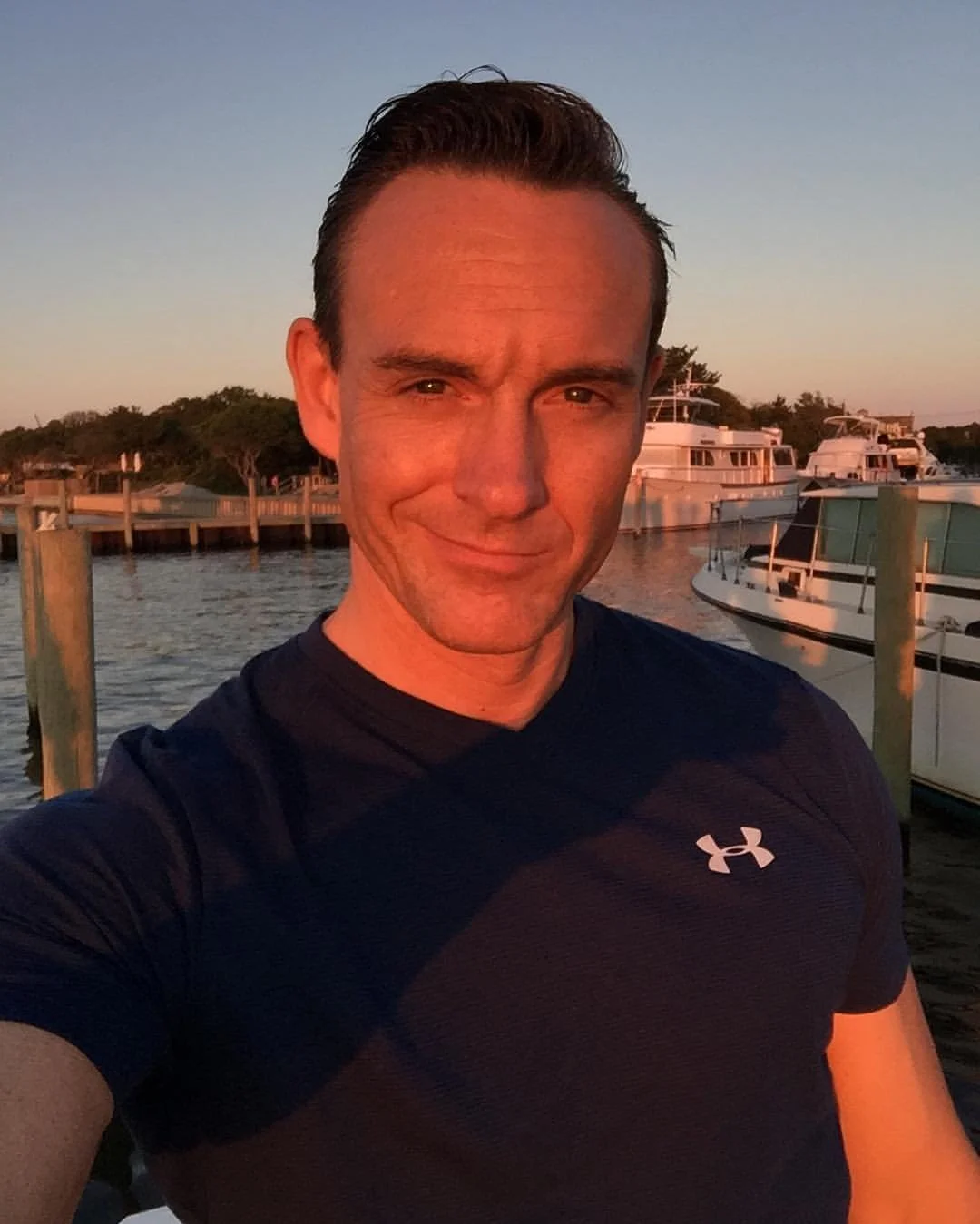
“Hal may not have personally designed the clothes you’re wearing, plated the meal you’re enjoying in the Meatpacking District, or blueprinted the Pines beach party you still talk about—but in subtle and significant ways, he has helped shape all of those experiences. His influence lives in how we curate, host, present, and connect—within the LGBTQ+ community, among our allies, and far beyond.”
Anthony West. Photo courtesy of Anthony West.
Whether on the page, on screen, behind a microphone, working out at the gym, or dancing on the Pines beach, the Hal you encounter is always the same. Authenticity is his calling card. Through his life and his work, he has shown that it is also the foundation of true style -- and it all begins with choosing life and embracing it fully.