

Fire Island Pines Fire Department (est. 1959)
By Virun Rampersad. February 2026
“They don’t just put out fires….their work ensures that this community can even exist.” - PJ McAteer, Pines Resident and Business Owner
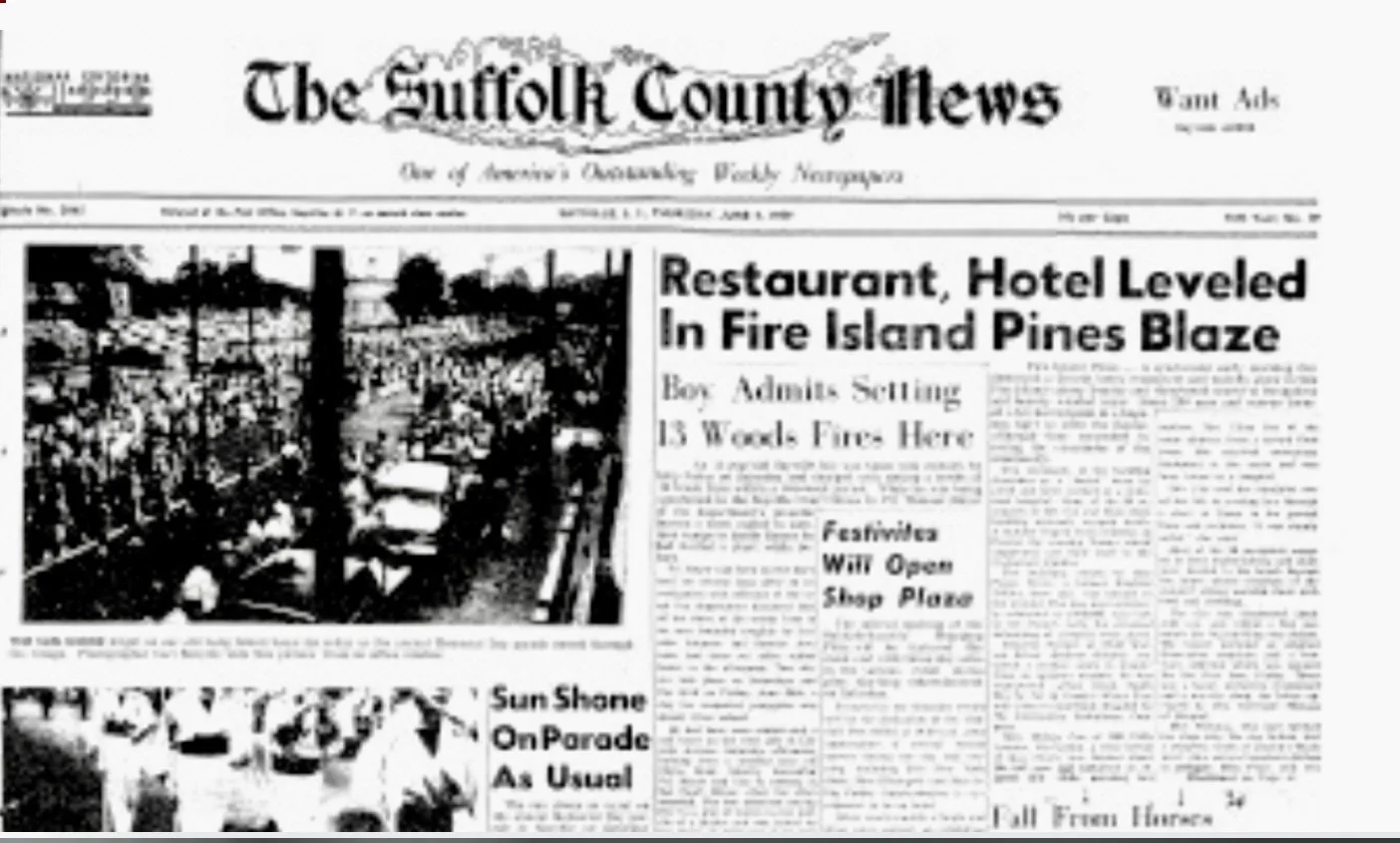
Suffolk County News Report of Memorial Day fire in the Pines on Memorial Weekend.
On Memorial Day weekend 1959 Peggy Fears’s Pines Yacht Club and Botel caught fire. Despite the heroic efforts of residents from both the Pines and Cherry Grove, the complex burned to the ground. The loss was devastating for both Peggy and the young community. Yet, in a response that reflected the Pines’ emerging spirit of resilience, both moved forward: Peggy immediately began rebuilding, and the community took decisive steps to establish its own fire department.
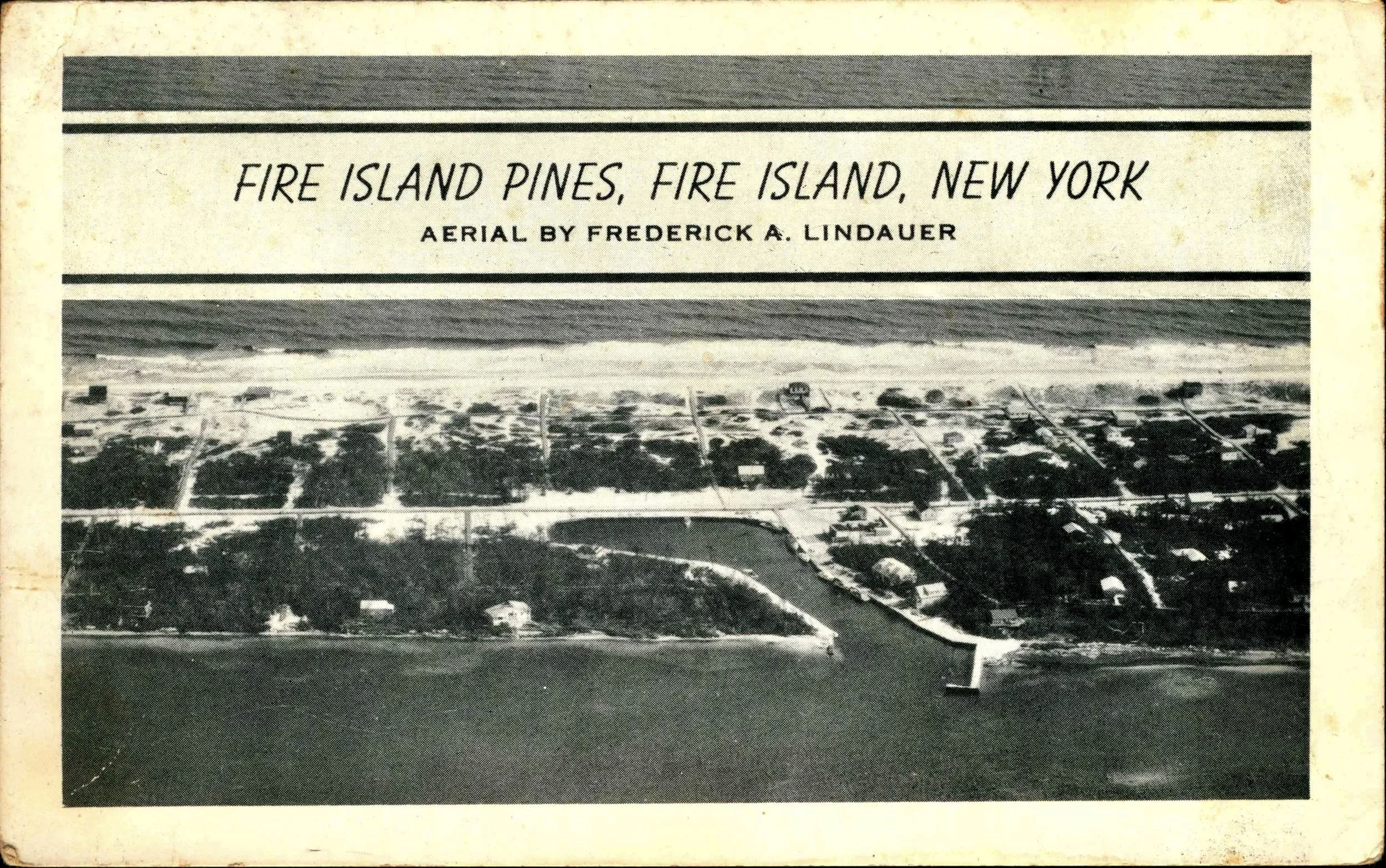
One of seventeen communities located on Fire Island, the Pines was quite rustic in 1959. Lots for homes and commercial buildings had been designated less than a decade prior, and many remained unbuilt.
Advertisement for the Pines.
At the time there was only one unpaved access road, and houses were reached via boardwalks. There was only rudimentary plumbing – many homes still used outhouses - and no fire hydrants.
The risk of fire had readily apparent early on — there had been outbreaks elsewhere on the island previously. However, the community had not yet matured to the point of having a formal fire department. Instead, it relied on good conduct and the goodwill of untrained residents. The Memorial Day fire made it clear that this was not sufficient.
In the weeks following, the Pines created its own fire district (i.e., a governmental entity that defines the service area, owns the property and equipment, and provides oversight and governance) and established the Fire Island Pines Fire Department (FIPFD). Pines residents Chiolo Bianchi was the first fire commissioner and Edward Carpenter Sr. was elected Fire Chief.
The first Pines fire house was located on what is now the freight dock on the southeastern side of the harbor. It was moved to its current location on Fire Island Boulevard, just east of Lone Hill Walk in the 1960s.
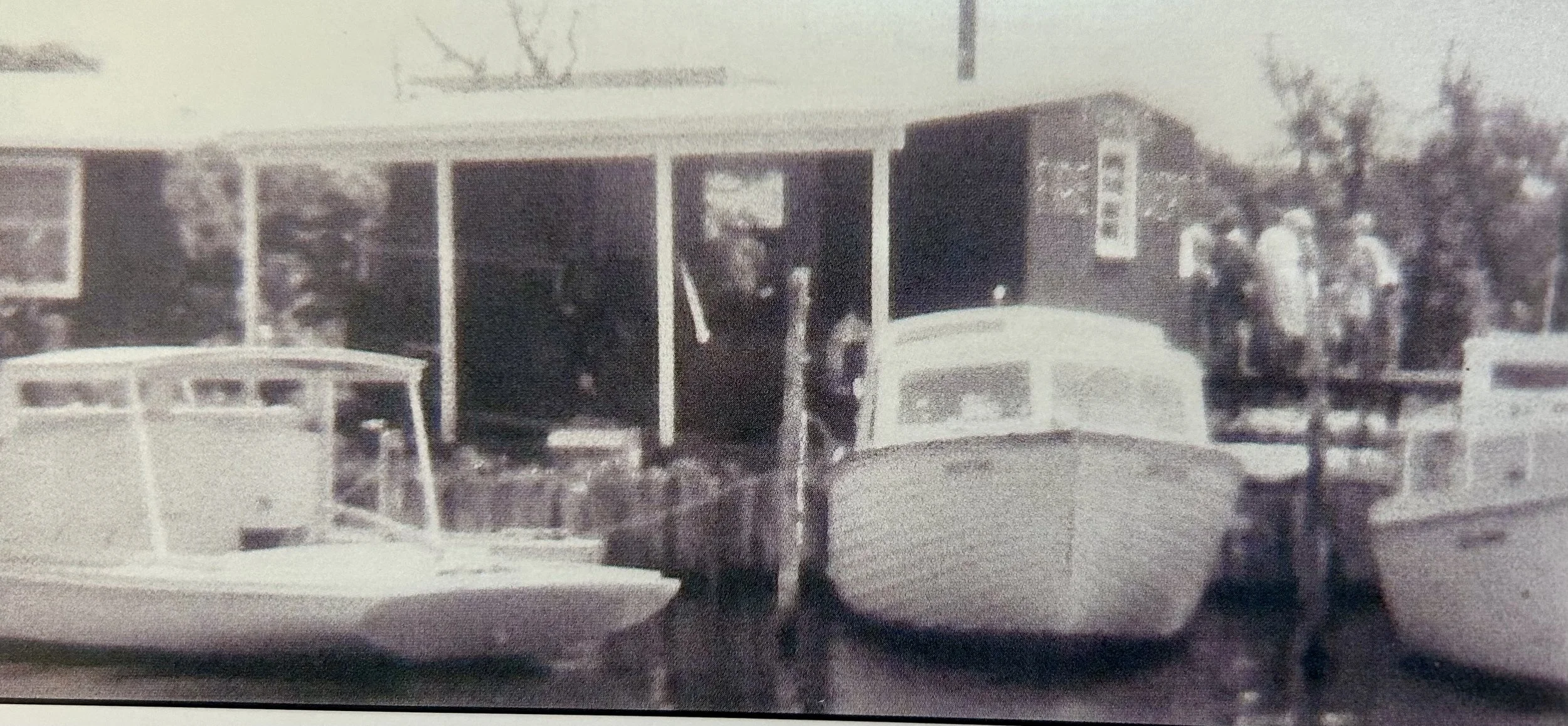
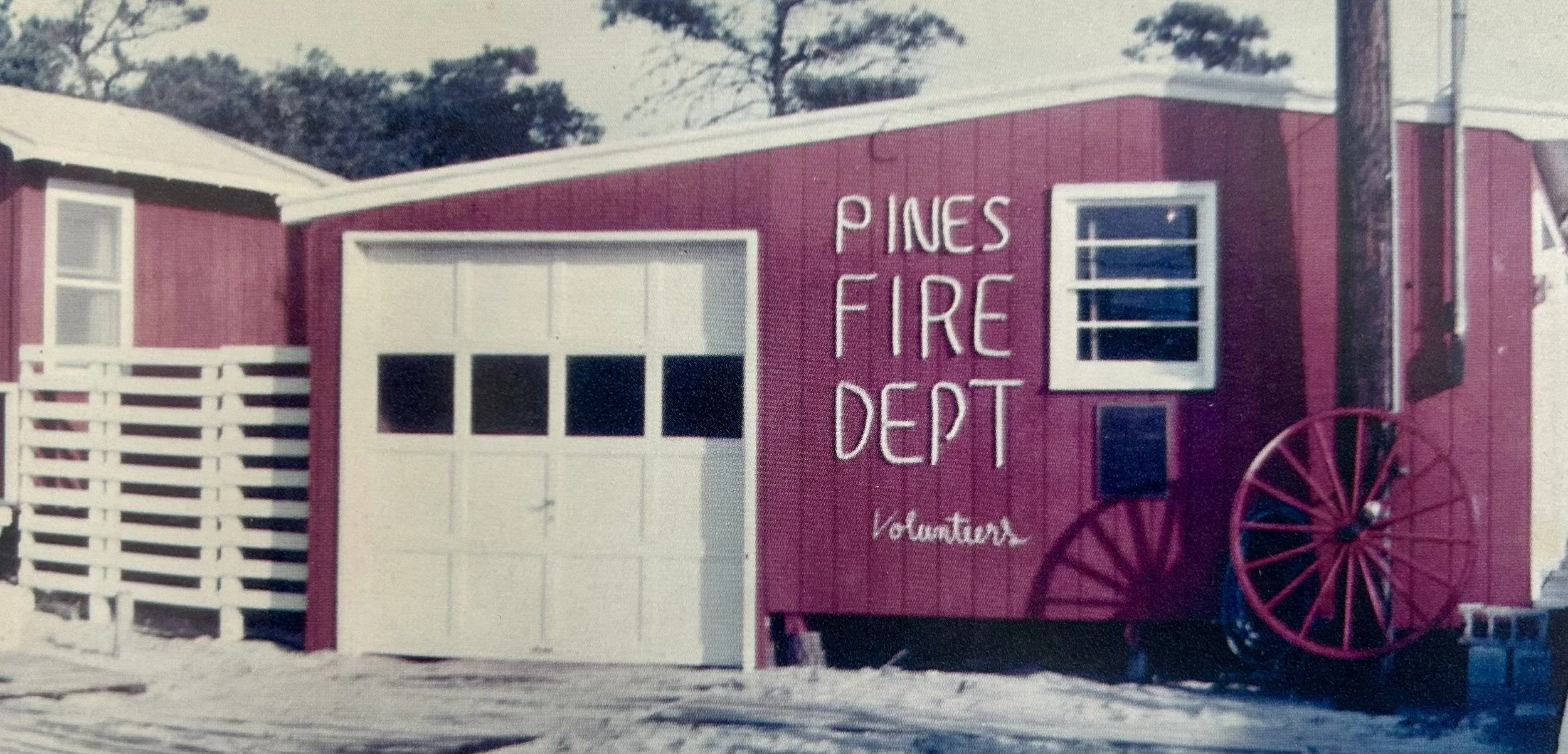
Early Pines firehouses in the original and current location. Photo courtesy of FIPFD.
Like today, the inaugural brigade was made up of volunteers from the community. Its first task was personnel training and securing firefighting equipment, which in those days were mostly hand tools and pushcarts. However, shortly after inception, the community acquired its first fire truck, a retrofitted Ford pick-up truck with a 500 gallon water tank and pump.
In 1964 Fire Island was designated a National Seashore by President Lyndon B. Johnson, forever freezing its footprint. For the Pines this meant that while construction could continue on designated lots and modern utilities such as electricity, telephones, plumbing and waste management systems could be introduced, there would be no future roadway development.
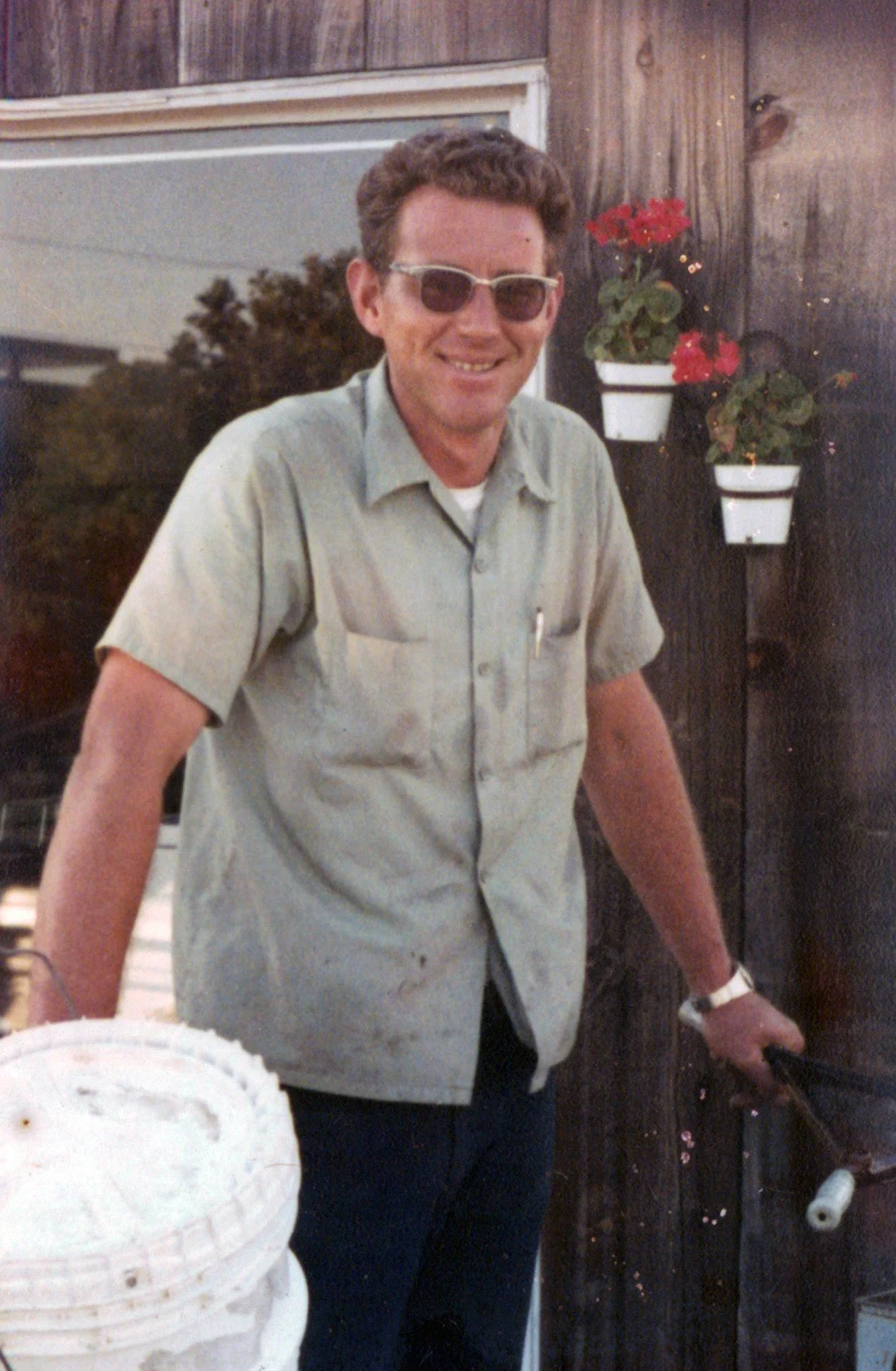
To address the community’s needs, one of the fire department members, Clern LaFountaine, spearheaded the critically important work to develop equipment suited for boardwalk and beach access and ensure there was a ready supply of water with sufficient pressure for fire hoses in the community.
Clern LaFountaine. Photo courtesy of Nicole LaFountaine.
From inception the Pines fire brigade comprised both men and women. Although uncommon at that time, women were an invaluable part of the team since men frequently left the island during the week for work. As a result, well before it became accepted in the mainstream, the Pines demonstrated that women were just as capable firefighters as men.
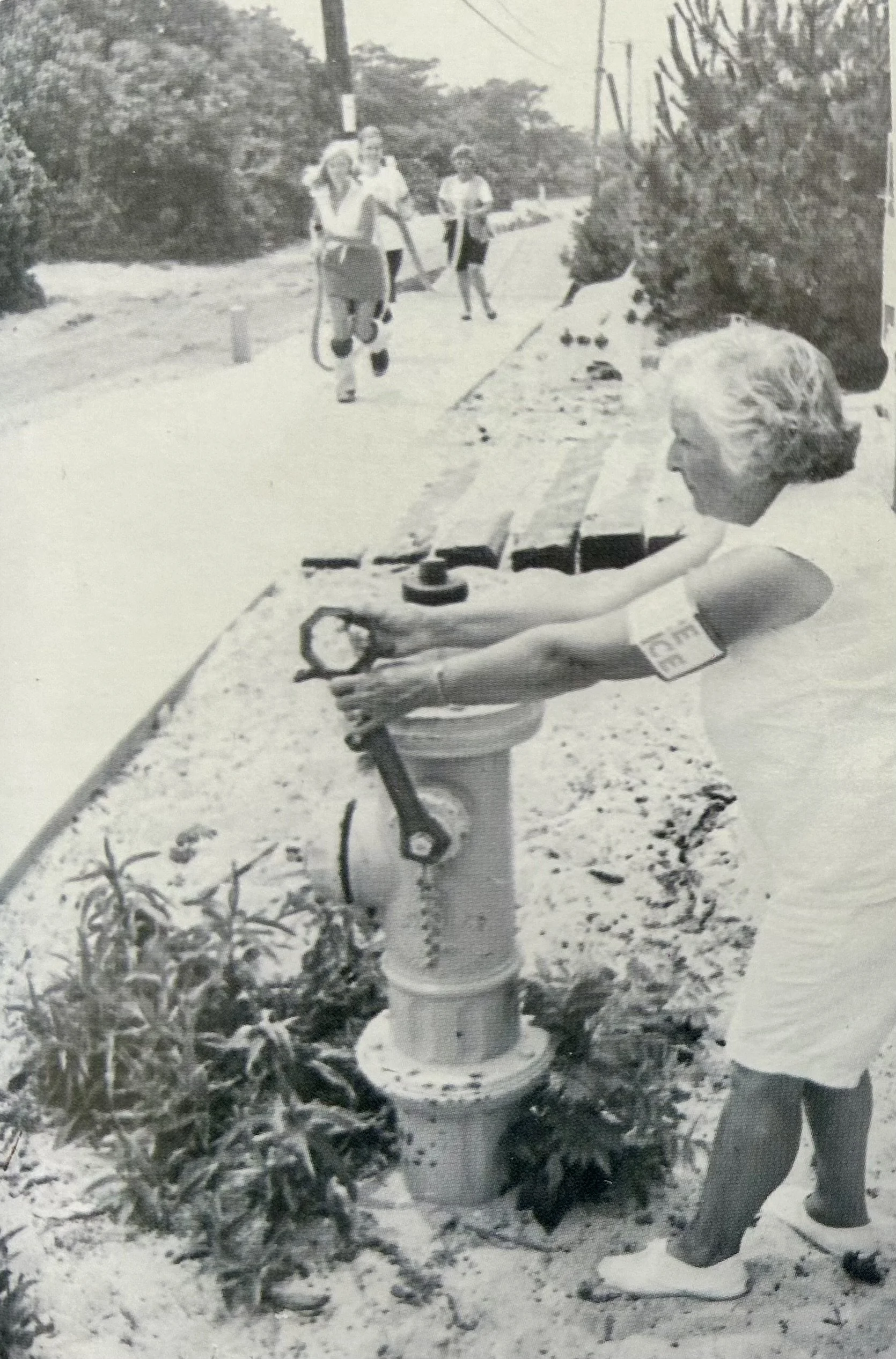
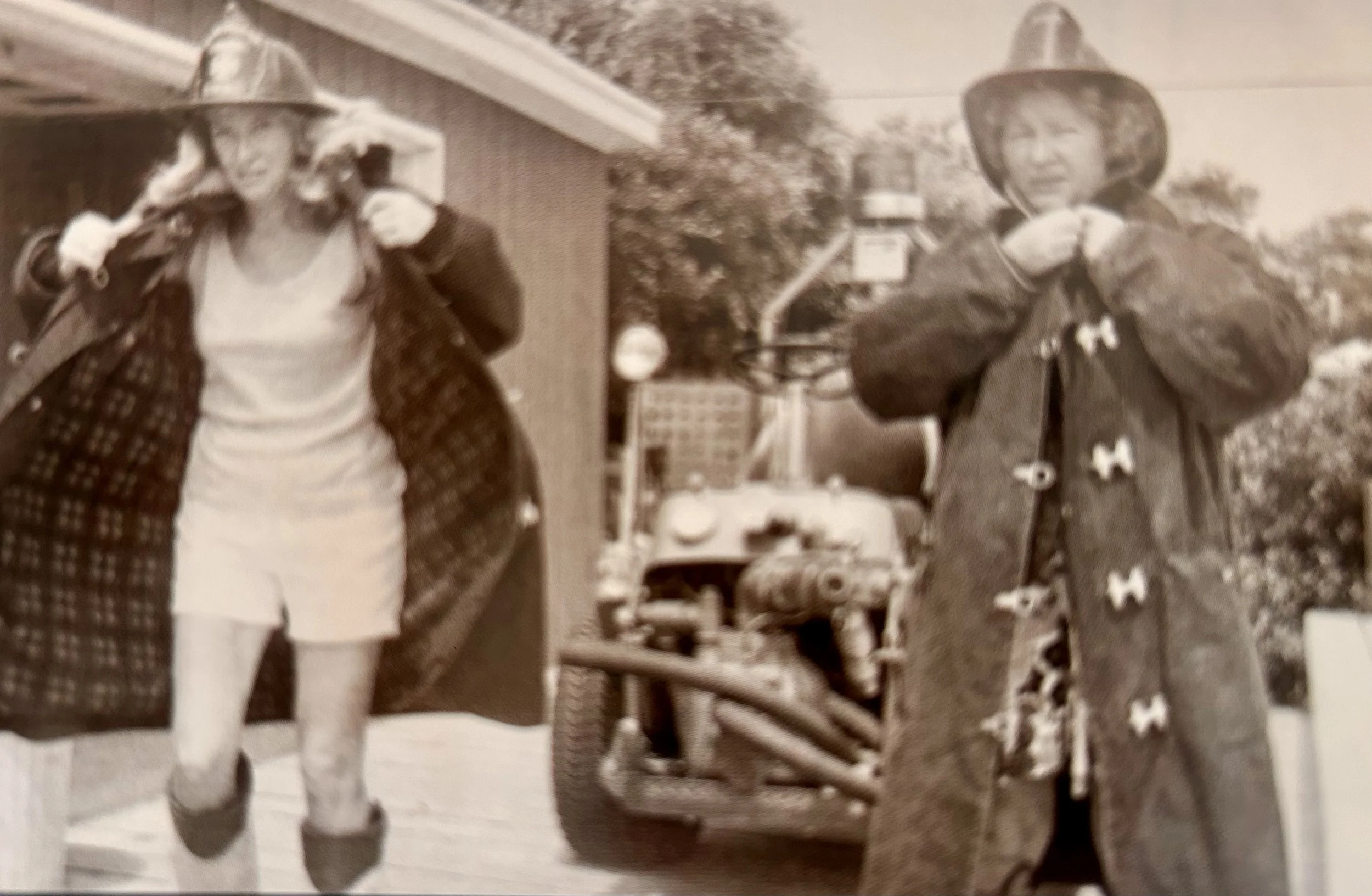
Early Pines women firefighters. Photo courtesy of FIPFD.
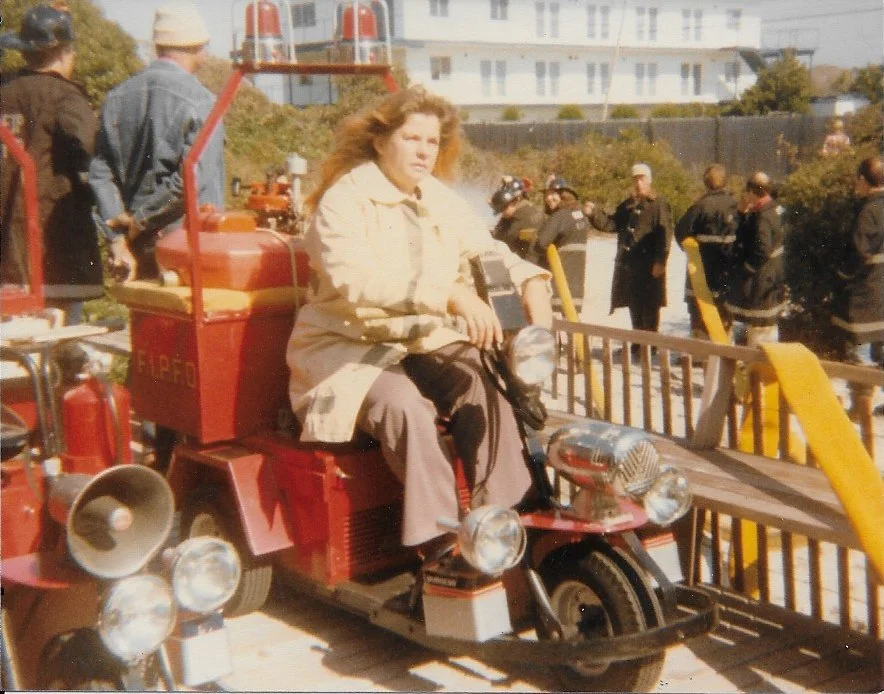
In 1969, Dorothy Cambern was elected the first woman fire commissioner and in 1980, Carole LaFountaine (Clern’s wife) became the first female fire chief. In what is evidently a family tradition, years later Clern and Carole’s daughter, Nicole, become Chairman of the Board of Fire Commissioners.
Carole LaFountaine circa 1979. Photo courtesy of Nicole LaFountaine.
Maintaining a volunteer fire department requires a reliable core crew that lives within the district and can respond quickly when alarms sound. Fortunately, the Pines has long been sustained by a strong spirit of volunteerism, and the department has consistently attracted dedicated members willing to serve their community.
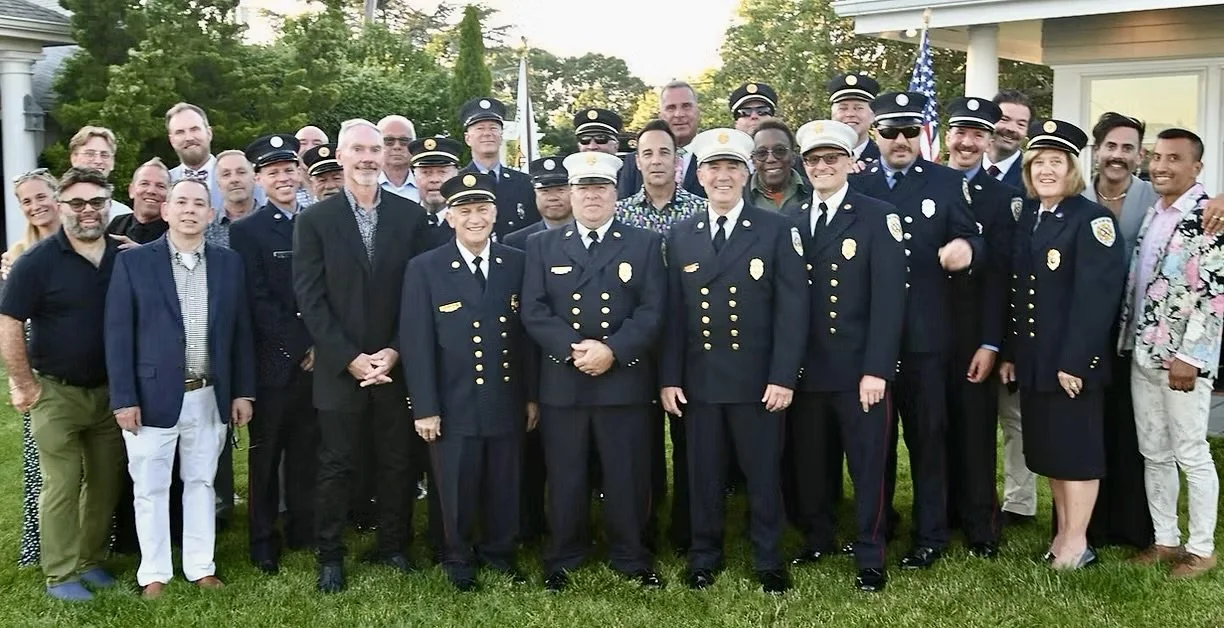
FIPFD 2024. Photo courtesy of FIPFD
It should be noted that being a volunteer firefighter is a significant commitment. It is far more than agreeing to perform dangerous, unpaid work at any hour of the day or night. Firefighters must pass annual physical exams and background checks, demonstrate the ability to carry and operate essential equipment, and complete roughly 200 hours of state-mandated training. They must also commit to ongoing education and regular drills to maintain their readiness, and ensure critical infrastructure, such as hydrants, are regularly tested, and equipment carefully inspected and maintained.
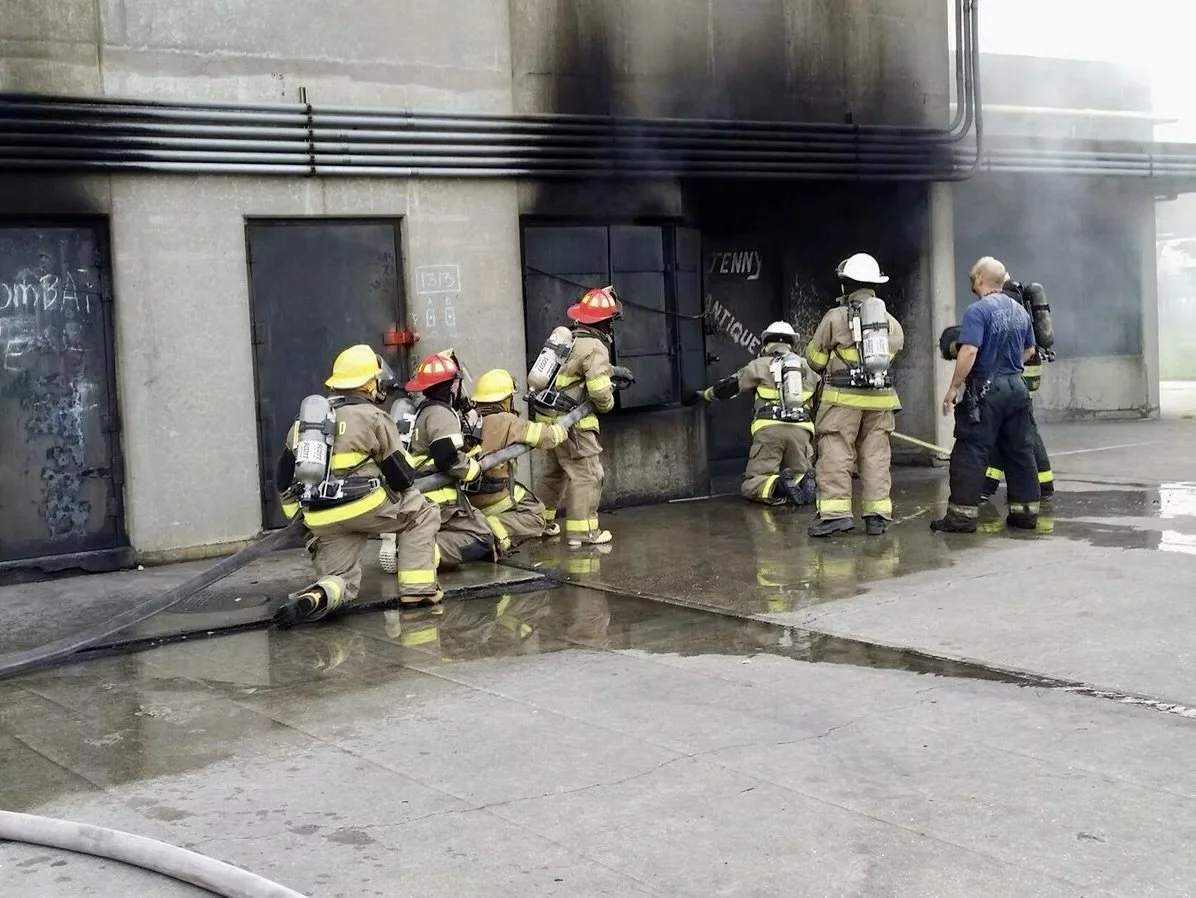
As Fire Chief Jordan Cohen notes, training is central to effectiveness. In addition to holding drills in the Pines twice each month, the department conducts live training exercises four times a year at the Suffolk County Fire Academy, ensuring its members are prepared to meet the demands of real-world emergencies.
FIPFD Drills. Photo courtesy of FIPFD.
Equally important is discipline and professionalism. The department operates with a clear chain of command that is respected and maintained year-round, and all activities are logged and accounted for.
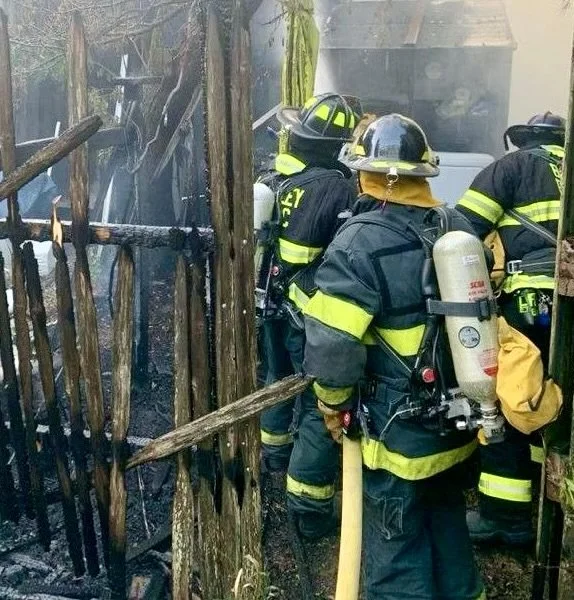
In the Pines, a place where most people come to relax and escape the pressures of everyday life, volunteer firefighters understand that emergencies do not follow schedules. Alarms may sound at any hour, and members must be ready to respond without hesitation, or take responsibility for self-identifying when they are not ready to serve.
FIPFD in action. Photo courtesy of FIPFD.
Firefighting is challenging work anywhere, but Fire Island presents particular obstacles of its own. Individual community brigades are relatively small, even at the height of the summer season. To compensate, the island operates on a system of mutual aid, with crews from neighboring communities and the mainland supporting one another when needed. Even so, the island’s remote location, lack of interconnecting roadways, and limited transportation options make it difficult to mount a rapid, large-scale response when a fire breaks out. Considering a fire doubles in size every thirty seconds, this is a serious challenge. In this environment, Sayville Ferry Service and H2O Water Taxi play an invaluable role, transporting firefighters, equipment, and personnel between the mainland and island communities—all at no cost. In the off-season these difficulties are exacerbated as crews thin when volunteers leave the island; if the bay freezes, quick responses become even more difficult to achieve.
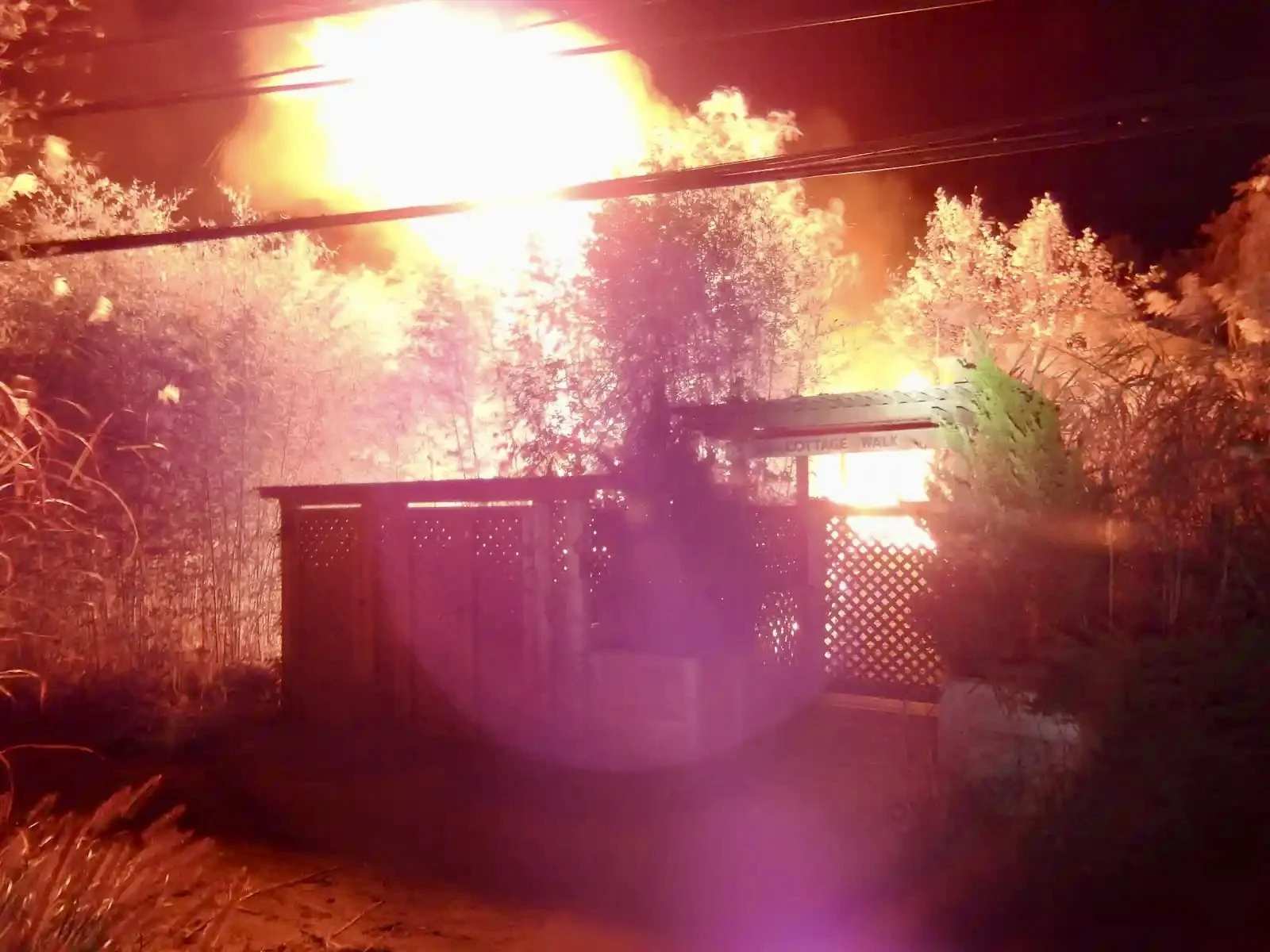
The Pines environment heightens fire risk. Wooden houses sit closely together, connected by narrow boardwalks and surrounded by trees, creating conditions in which flames can spread quickly. Winds also increase contagion, not only feeding the flames, but also creating embers that can set fire to properties far away.
Cottage Walk fire of Fall 2024. Photo courtesy of Fire Island and Great South Bay News.
With only one major access road, the department maintains an extensive amount of hose to reach houses at the extremes of the island. Despite this, access can be challenging as some boardwalks are over twenty feet off the ground, and some parts of the road are prone to flooding.
While fires can break out at any time for a myriad of reasons, the risk intensifies during the summer when the population swells to several thousand and the use of grills, propane, candles, and cigarettes increases. Compounding the problem, the Pines sits on a narrow barrier island surrounded by salt air and moisture, conditions that accelerate the wear on appliances and electrical systems, making accidental fires more likely.
Former Fire Chief Joe Geiman, who continues to serve with the Fire Island Pines Fire Department, notes that while the network of boardwalks contributes greatly to the community’s charm, it also presents a significant fire risk.
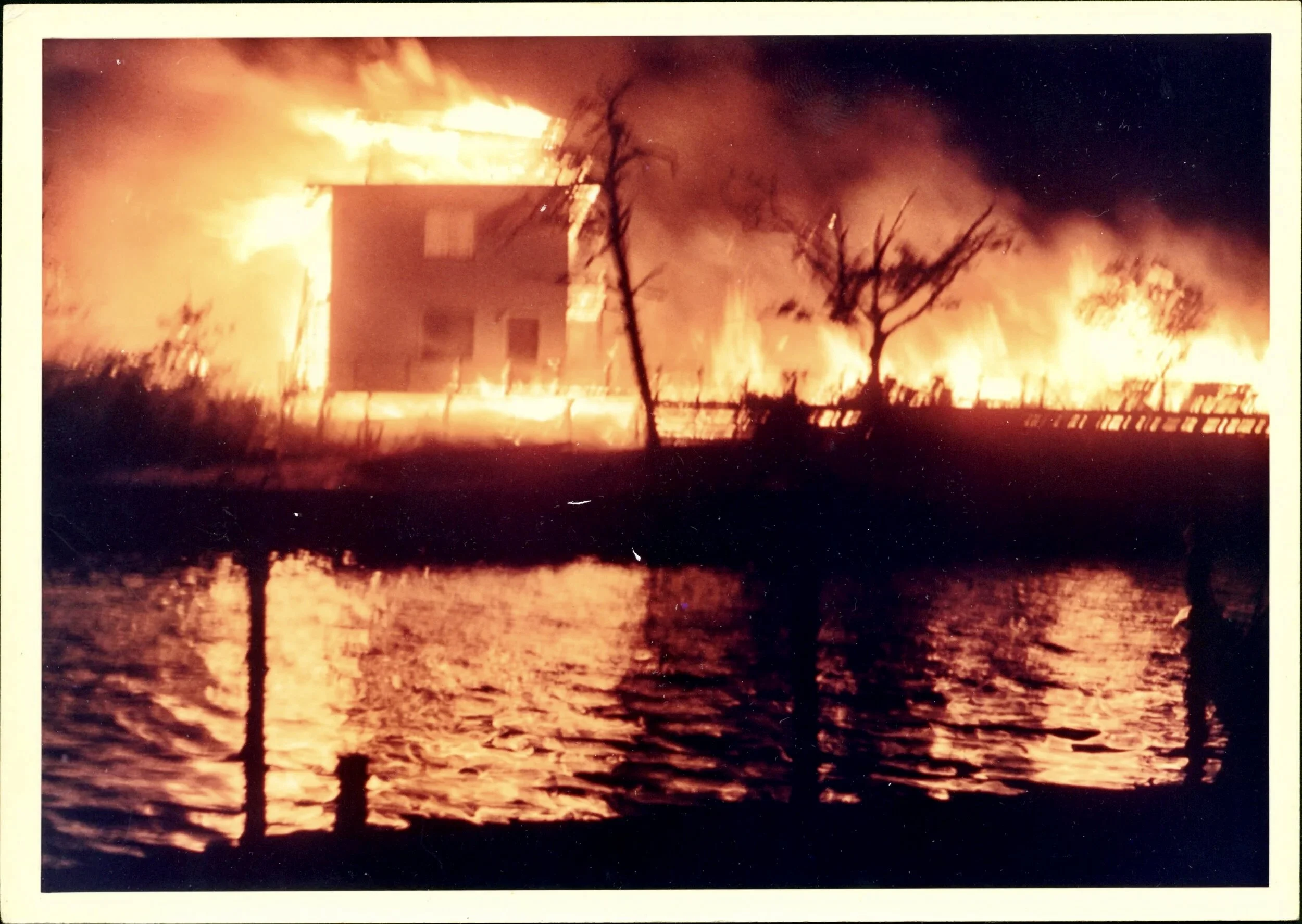
Constructed of dry wood and extending throughout the Pines, the boardwalks can act as a wick, allowing flames to spread rapidly once ignited.
The 1959 Memorial Day Weekend fire that spread along the boardwalk. Photo courtesy of FIPFD.
Compounding the danger, people sometimes extinguish cigarettes on the boards as they would on concrete pavement, unintentionally igniting the wood or the dry grass and debris beneath.
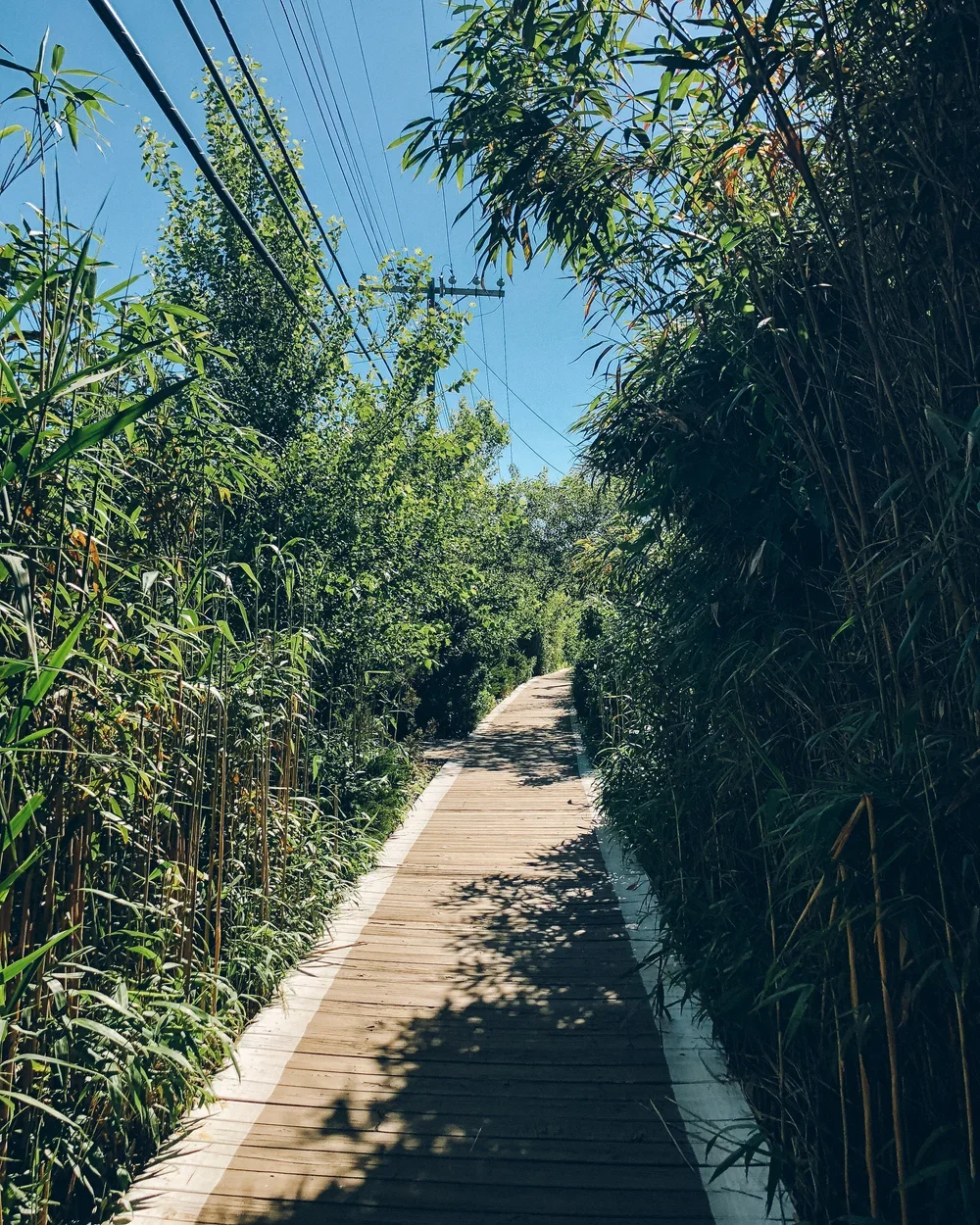
Local vegetation presents additional hazards. The ubiquitous bamboo is highly flammable, as are dried leaves, branches, and dune grasses. A less visible but particularly dangerous threat comes from poison ivy, which is widespread in the Pines. When burned, the plant’s toxic oil vaporizes and binds to smoke particles. If inhaled, it can cause severe lung inflammation, respiratory injury, and in extreme cases, can be life-threatening.
Bamboo along Pines Boardwalk. Photo courtesy of Virun Rampersad.
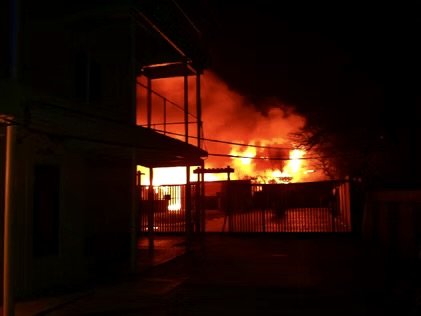
Not surprisingly, the Pines has experienced several significant fires over the years that have destroyed homes and businesses across the community. Among the most notable in recent memory was the 2011 blaze that destroyed much of the commercial district and damaged nearby homes,
2011 Harbor fire. Photo courtesy of FIPFD.
In 2017 a fire claimed three houses on Ocean and Oak Walks, and, as recently as 2025, a house was destroyed on Bay and Holly Walks. In each case, the damage could have been far more extensive were it not for the swift response of the Pines Fire Department and its mutual-aid partners. Their first priority is rescue to prevent the loss of life, and then reducing exposure and contagion. This can be a tall order on an island that can sometimes see winds of up to 30 mph — as the California wildfires have shown, it’s tough when Mother Nature is against you. In that light, the damage containment within the Pines is remarkable. Indeed, the owners of a home endangered by the 2025 fire specifically credit the Fire Department’s proactive steps as the reason their house was saved.

Memorial Day Weekend Fire of 2025. Photo courtesy of Fire Island and Great South Bay News.
The Pines fire department maintains an excellent relationship with the Suffolk County police who maintain a 24-hour physical presence in the community during the summer. The police are on site at every fire and will provide emergency medical services should they be needed. The department also maintains regular dialogue with PSEG who provide electricity to the community and are responsible for maintenance and repair of equipment that could cause fires and pose danger to people, as well as Suffolk County Water Authority, who can assist with water pressure as needed.
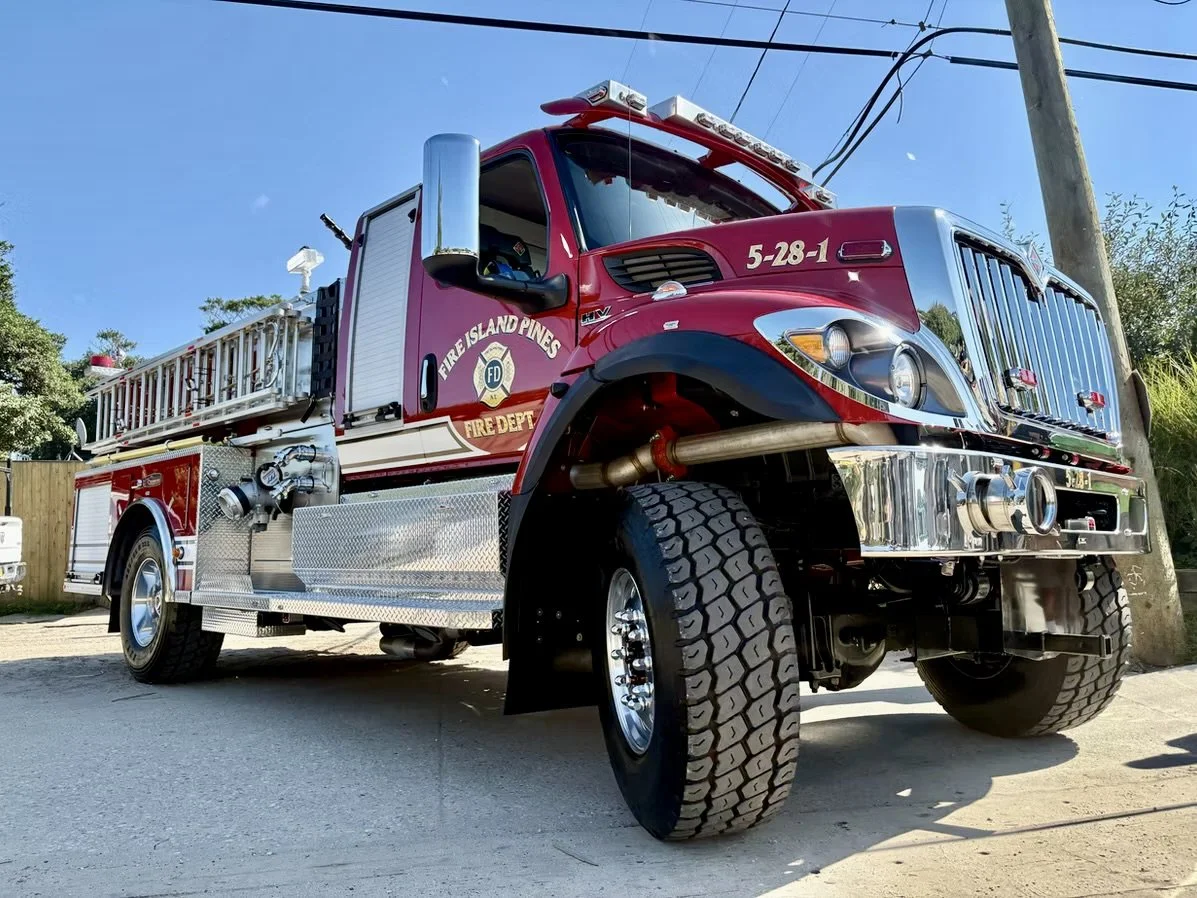
Given the high risk environment and severity of the consequences, the Pines fire department works closely with governmental authorities to ensure they have access to the right equipment. Over the years, they have procured new fire trucks and technology to improve responsiveness, effectiveness and safety.
Fire Department Truck. Photo courtesy of FIPFD.
The Pines community itself plays an important role in responding to fires. Residents and business owners provide food, water and access to garden hoses and electricity to assist the fire fighters in their jobs. When a fire breaks out residents douse their own homes to reduce the risk of spread. Recognizing the importance of a well prepared fire brigade, most people are accommodating of drills, working around blocked paths. Within their own houses, most homeowners take sensible precautions such as keeping their chimneys properly maintained, having a bucket of sand or hoses near grills, ensuring fire and smoke alarms are functional, and there are working extinguishers and fire blankets handy.
While the majority of funding comes from the government, community donations enable the department to play an active part in community life, which includes its annual barbecue and sale of its popular tee shirts.
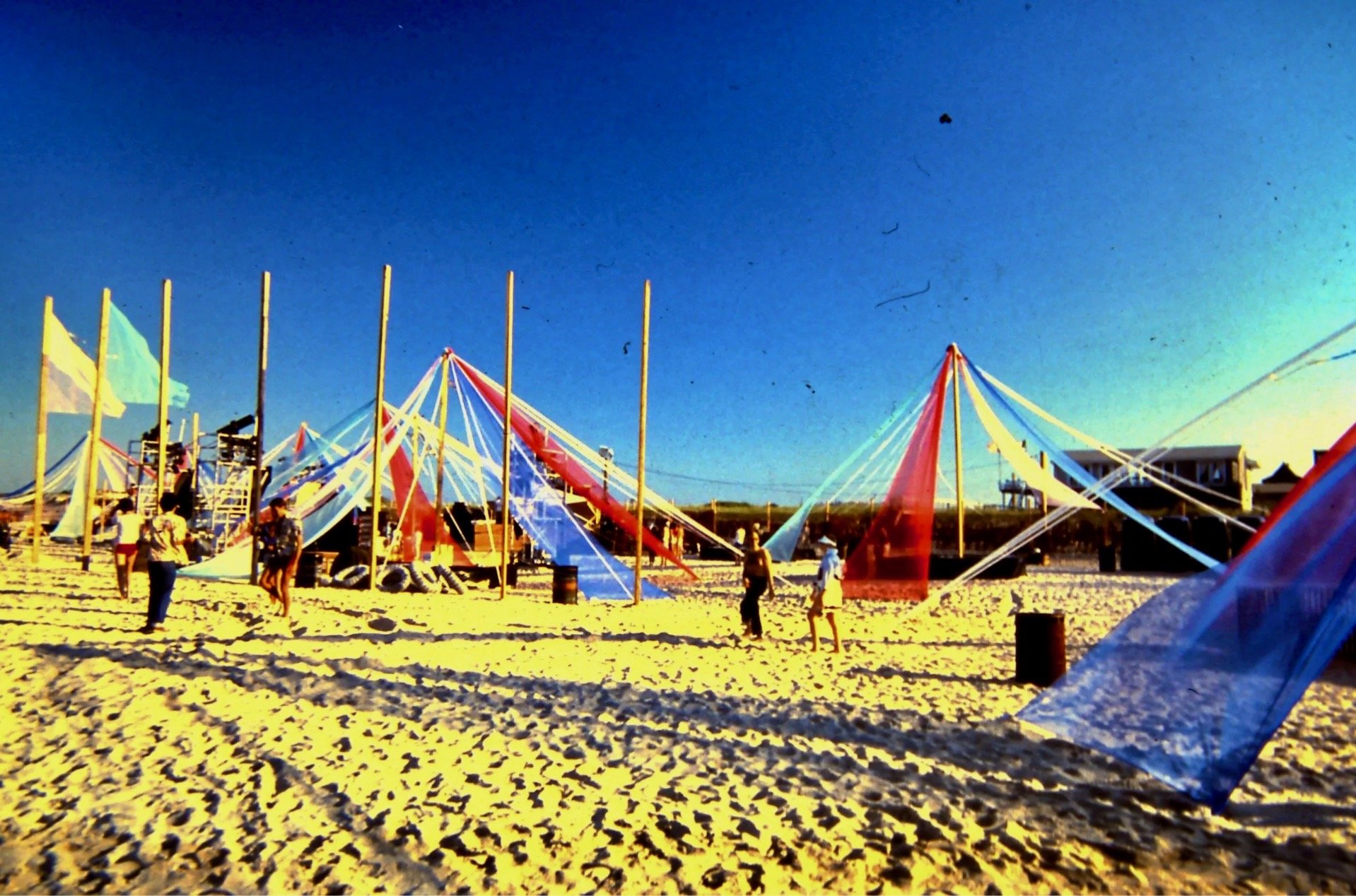
The community’s commitment to the department led to the creation of the legendary party Beach in 1979 spearheaded by Ron Martin, Fern Mills, Scott Bromley and Robin Jacobsen, to raise money for a new fire truck.
Beach. Photo courtesy of Scott Bromley.
Residents Steve Herbits and Jim Pepper created an After Party following the Morning Party in the 1980s as a thank you for the Fire Department and other community supporters. The event became so popular the free tickets began to be scalped and it was eventually transformed into a fundraiser. In 2014 the Fool’s Paradise Drag Party organizers used excess funds from their Guinness World Record setting party It’s a Madge, Madge World to buy a vehicle for the department, aptly christened Madonna.

“Madonna” fire truck donated by organizers of annual Labor Day Drag Party. Photo courtesy of Chris DeCarlo.
For its part the department maintains an active communication campaign with the community. In addition to signage, representatives speak at community meetings and occasionally engage with businesses to advise on construction and renovation activities.
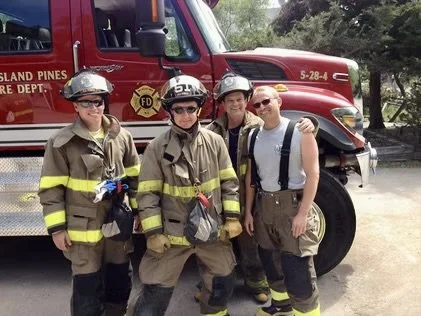
The Pines Fire Department, like fire companies around the world, stands as a powerful symbol of community. Its members risk their lives to protect people they may not know, simply because it is the right thing to do for a place they call home. In doing so, they safeguard not only lives and property, but also memories, culture, and identity.
Fire Chief Jordan Cohen (far right) and members of FIPFD crew. Photo courtesy of FIPFD.
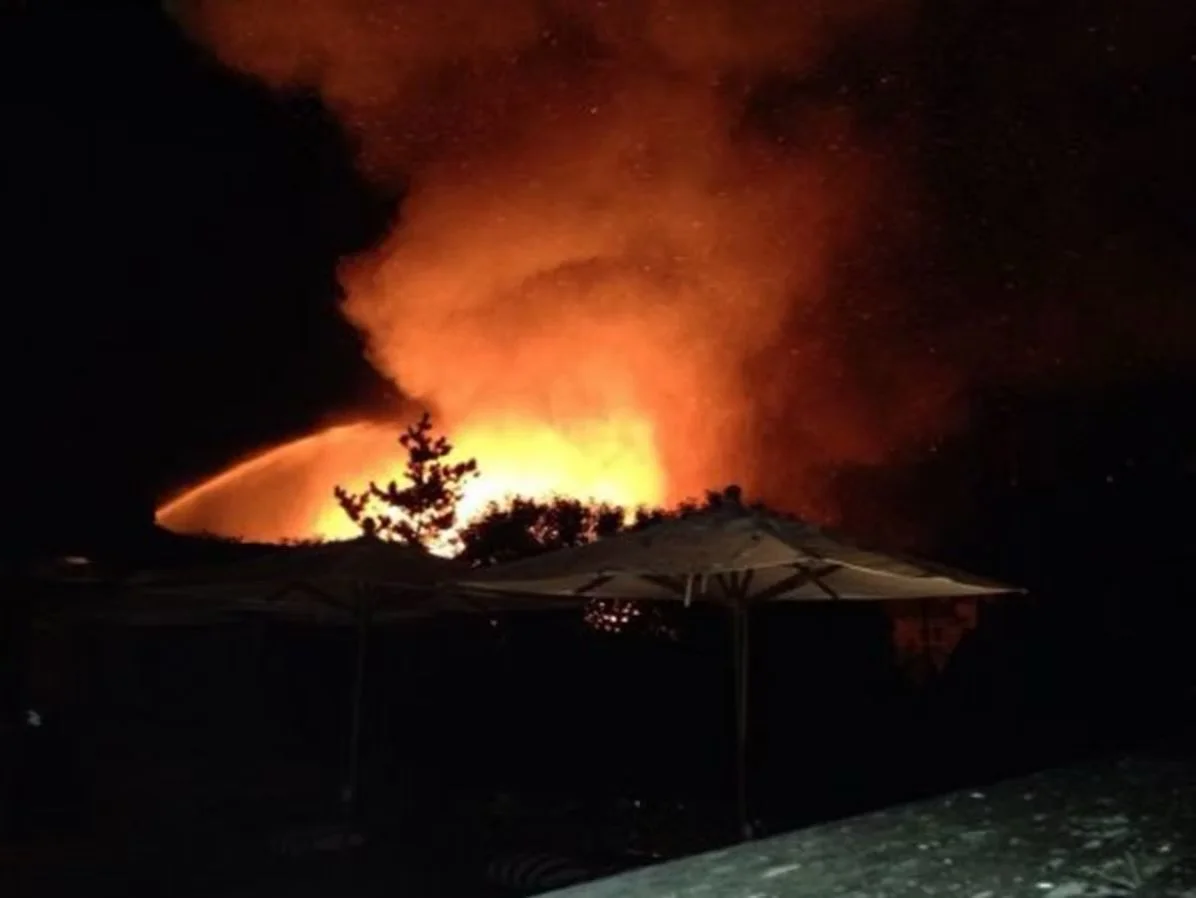
They respond at the worst moments and often under difficult and dangerous conditions, performing work for which they are not paid, but for which they carry enormous responsibility.
Fisherman Walk fire of 2013. Photo courtesy of FIPFD.
Equally important is the spirit of solidarity that defines firefighting on Fire Island. The crews serving its communities operate as brothers and sisters in arms, bound by shared purpose and mutual trust. As Fire Chief Cohen has noted, although the Pines is a majority LGBTQ+ community, he has never experienced homophobia from neighboring fire companies. In moments of crisis, what matters is not who you are, but the collective mission to protect life and property.
The Pines is not unique in having a volunteer fire department—approximately 75 percent of fire departments across the United States are volunteer-based. What is unique, however, is what the department represents. Its presence affirms that the Pines is a fully realized community, not simply a seasonal resort. It is an institution created by residents, sustained by volunteers, and supported by infrastructure thoughtfully designed to meet the demands of its singular environment.
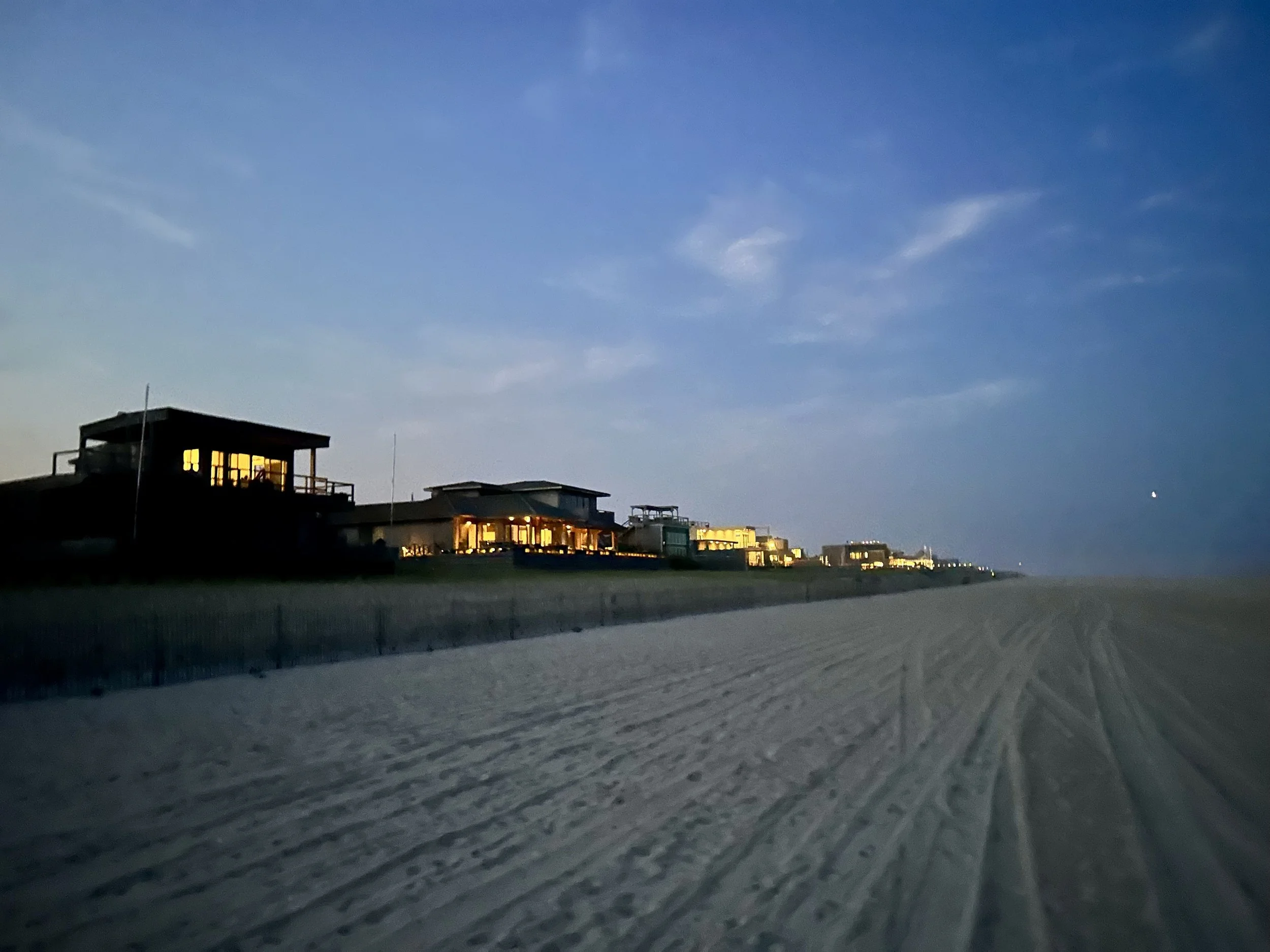
Pines beach at night. Photo courtesy of Virun Rampersad.
Since its founding in the aftermath of the Memorial Day Weekend fire of 1959, the Fire Island Pines Fire Department has been essential to the community’s survival. Its continued presence has helped ensure the stability and safety of a place that has played an outsized role in LGBTQ+ life and culture. Simply put, without the protection, professionalism, and commitment of its volunteer firefighters, the Fire Island Pines as we know it today would likely not exist.