

Fire Island Pines Arts Project (est. 1986)
Entertainment Off the Dance Floor
By Virun Rampersad. June 2026
Fire Island Pines’ nightlife is legendary with early evening tea dances, beach parties, house parties and nightclubs that pulse well past dawn. But alongside these another identity has taken root. Many of the artists, performers, designers, writers, and other creative professionals who make the Pines their home recognized the community needed something more, something different. And from that realization sprang what is today the Fire Island Pines Arts Project or FIPAP.
In its early years, before the founding of FIPAP, the Pines community put on art shows and theatrical performances under the umbrella of the property owners’ association, FIPPOA.
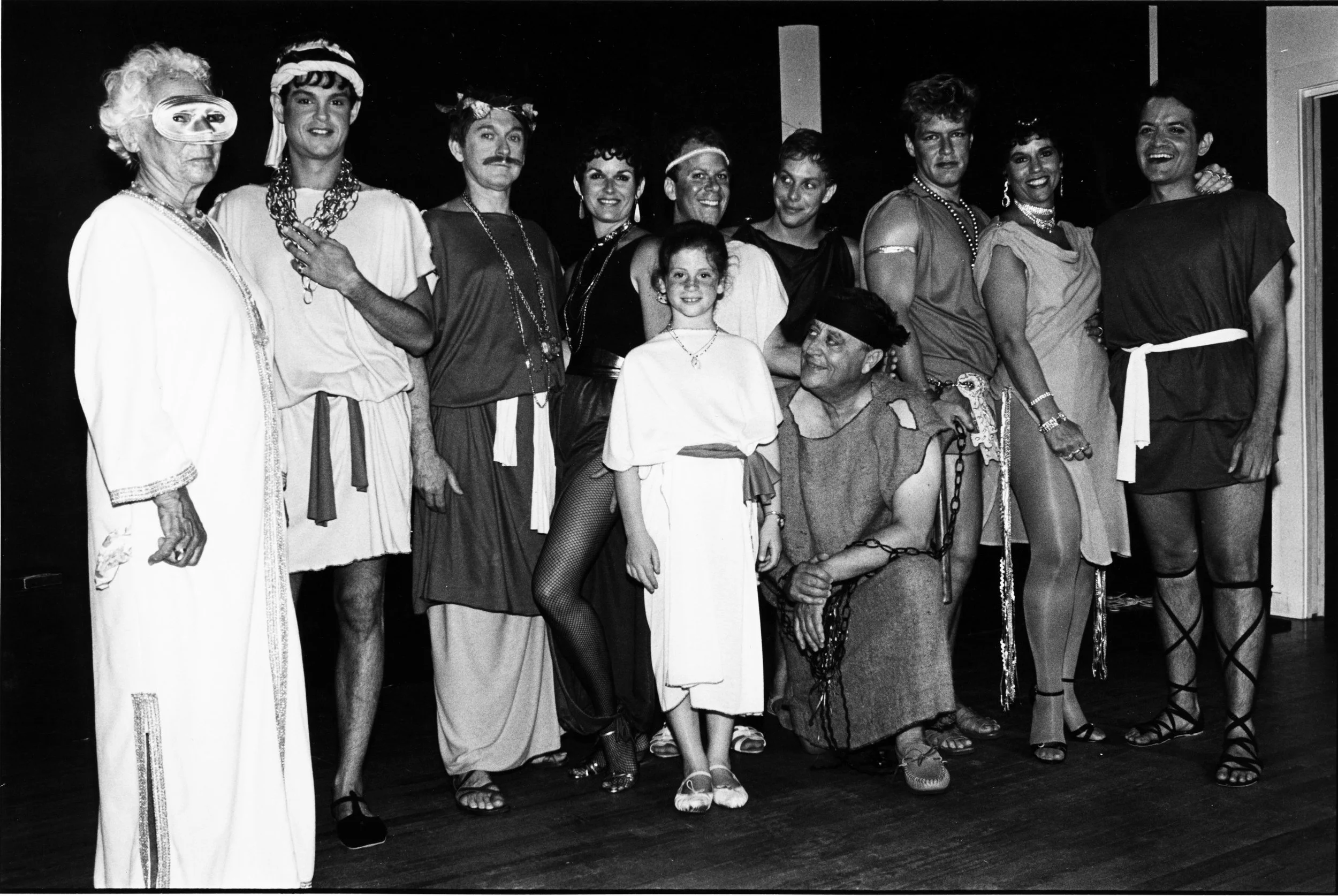
Those efforts revealed both the creative talent embedded within the community and the growing appetite for more ambitious programming. Eventually the time came to take the next step.
The Boys From Syracuse, 1984
Created as an independent nonprofit organization in 1986, FIPAP was specifically designed to take over and expand the delivery of alternative entertainment and cultural programming in the Pines. It would tap directly into the enormous creative talent already living and socializing in the community -- people who had previously staged performances, mounted exhibitions, and organized productions through FIPPOA-supported efforts.
Several figures were key to standing up the new organization, including Sylvan Cole, David Baker, Scott Bromley, Bill Henckley, and John Laub. They were a formidable group. Cole was an internationally respected New York gallerist who brought artistic credibility and curatorial sophistication to the effort.
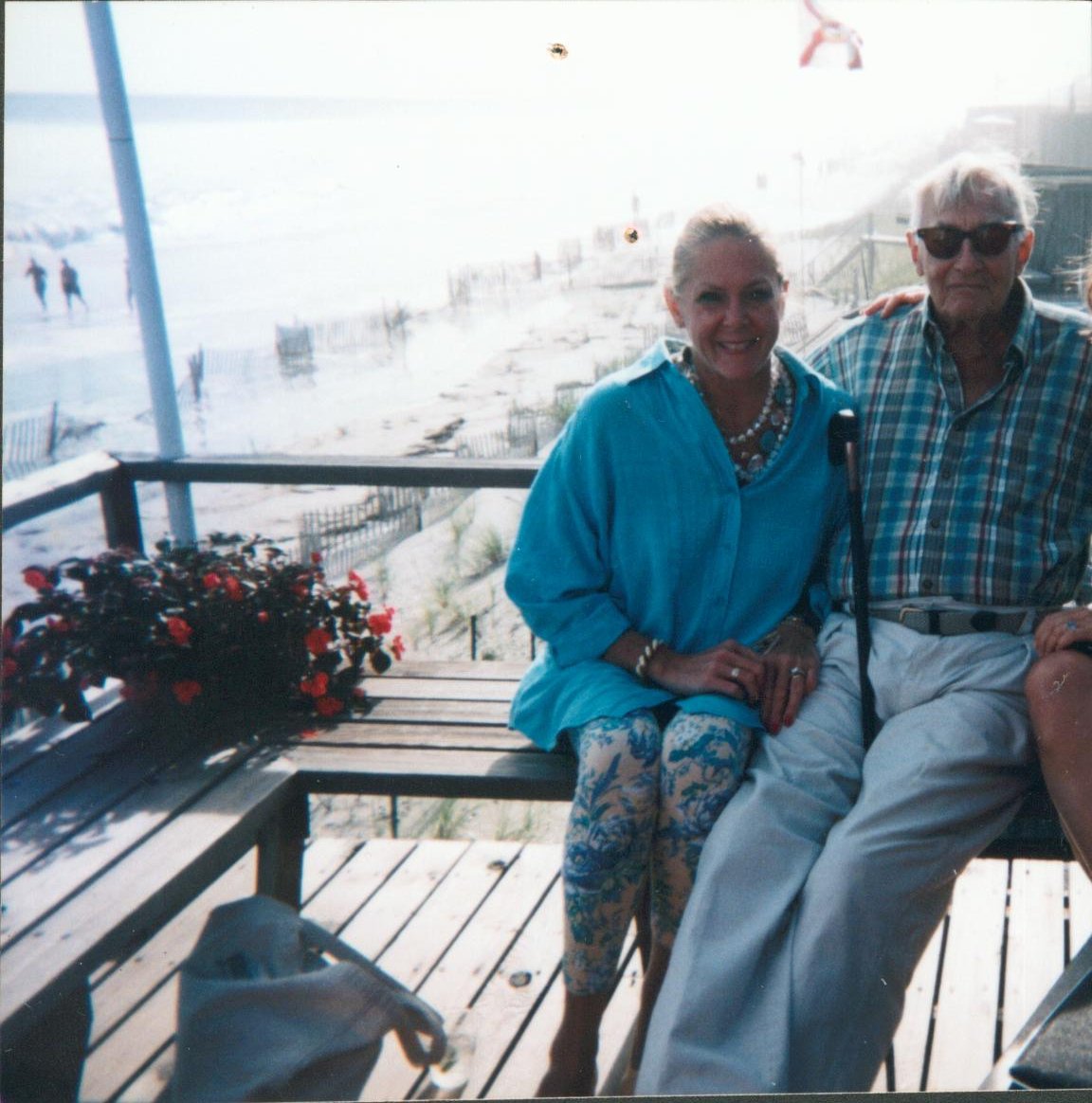
Sylvan and Mary Cole in 1996. Photo credit: Sylvan Cole.
Baker had already staged productions like Pines Needles in the early 1980s, while Henckley designed sets and visual elements. Laub, a painter deeply tied to the Pines arts scene, helped anchor its visual arts identity. Bromley, one of the creators of the legendary party, Beach in 1979, possessed a rare ability to navigate the various personalities and factions that defined Pines civic life. Together, alongside an expanding circle of volunteers and organizers, they envisioned a dedicated institution devoted entirely to the arts.
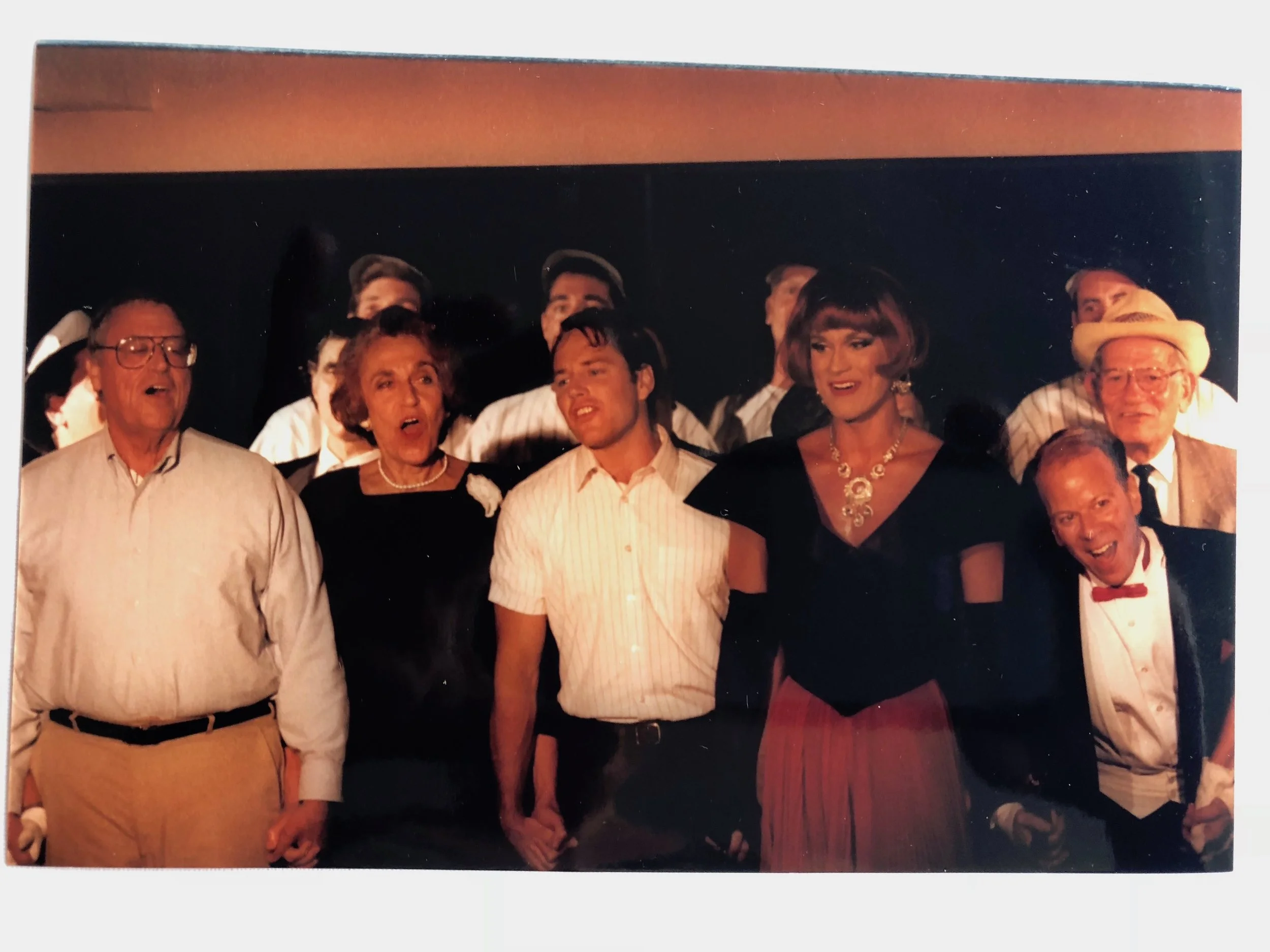
Pines Needles. Photo courtesy of FIPAP.
FIPAP’s founding itself quickly became part of Pines folklore. During Labor Day weekend in 1986, organizers reportedly set up a folding table near the harbor and sold memberships directly to residents. They raised roughly $3,000 on the spot, effectively launching the organization overnight. It was quintessential Pines: entrepreneurial, collaborative, improvised, and powered almost entirely by community enthusiasm.
Despite its auspicious kick-off, FIPAP was launched the AIDS epidemic was in full force. As a result, not only would it tragically lose many of its early volunteers, performers, and audience members, but the environment made securing financial support challenging. However, Scott Bromley noted the crisis only strengthened organizers’ determination to create beauty, joy, and connection for a community under siege.
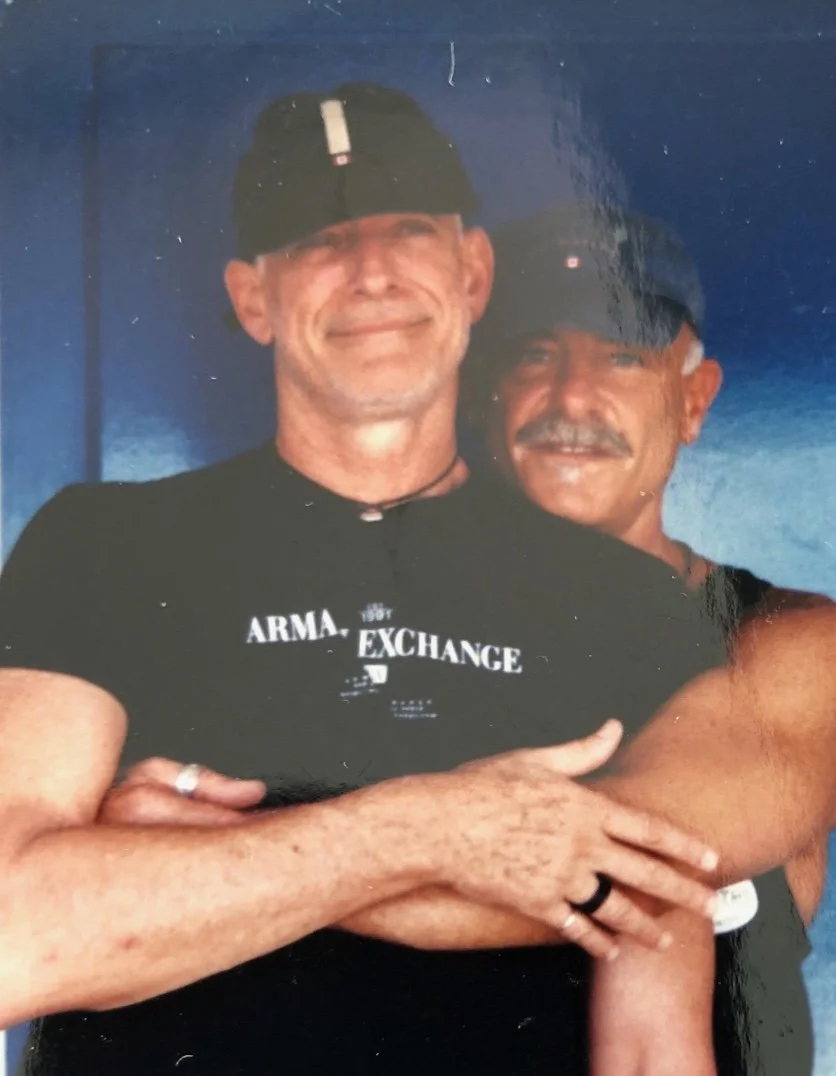
Scott Bromley and Tony Impavido. Photo courtesy of Scott Bromley.
This effort was recognized and appreciated. As legendary Pines realtor Bob Howard noted FIPAP provided moments of much needed relief during the darkest years of AIDS and in so doing became embedded as part of the fabric of the community.
From the beginning, FIPAP distinguished itself from other Fire Island arts traditions. Next door, the legendary Arts Project of Cherry Grove had already established an iconic tradition of drag performance and theatrical revues. FIPAP intentionally leaned in a somewhat different direction. Rather than duplicate Cherry Grove’s drag-centered model, its vision was to focus on musicals, visual arts, concerts, cabaret, and artist showcases that reflected the Pines’ own creative culture -- sophisticated, collaborative, and deeply connected to the professional arts world of New York.

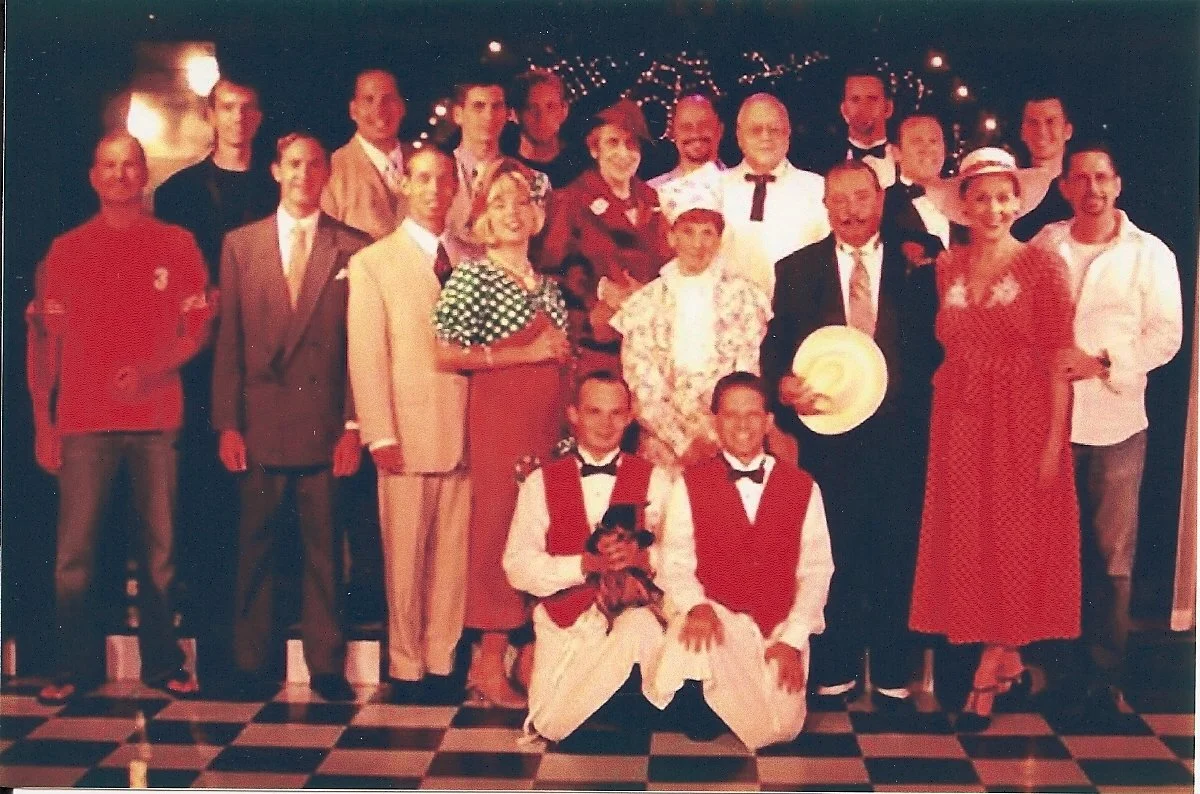
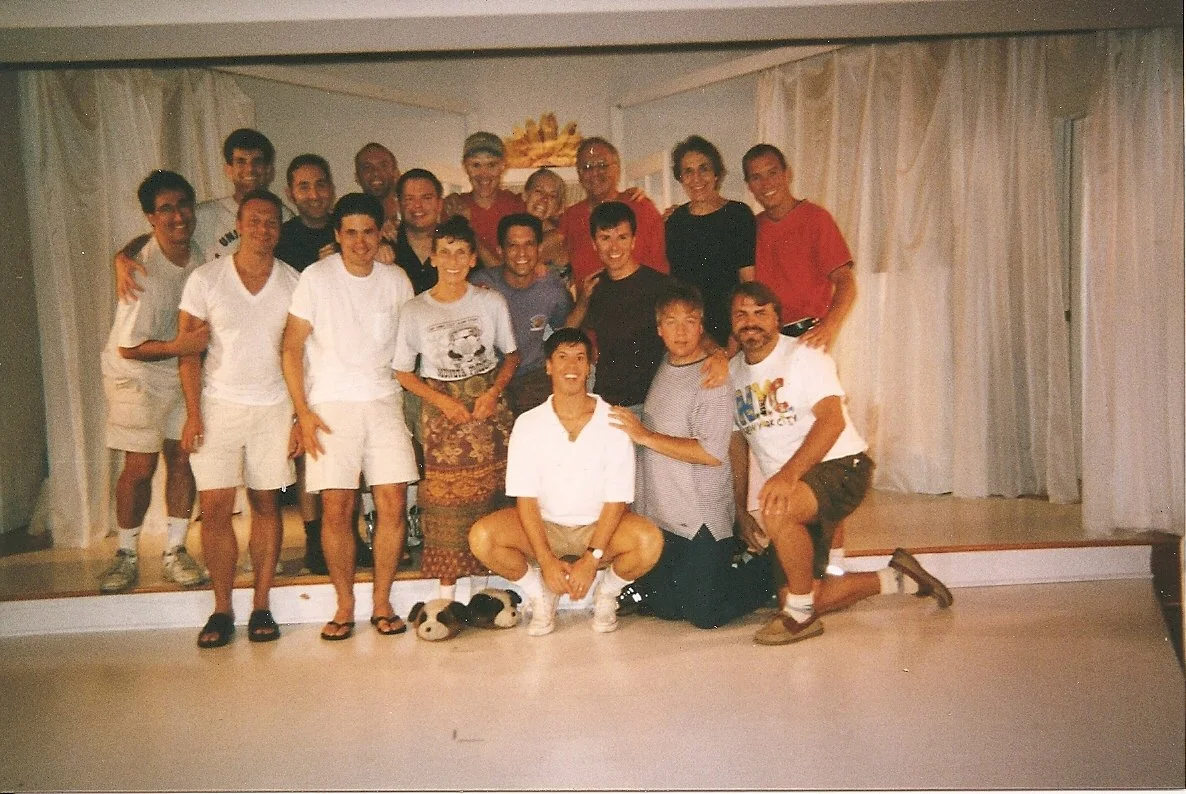
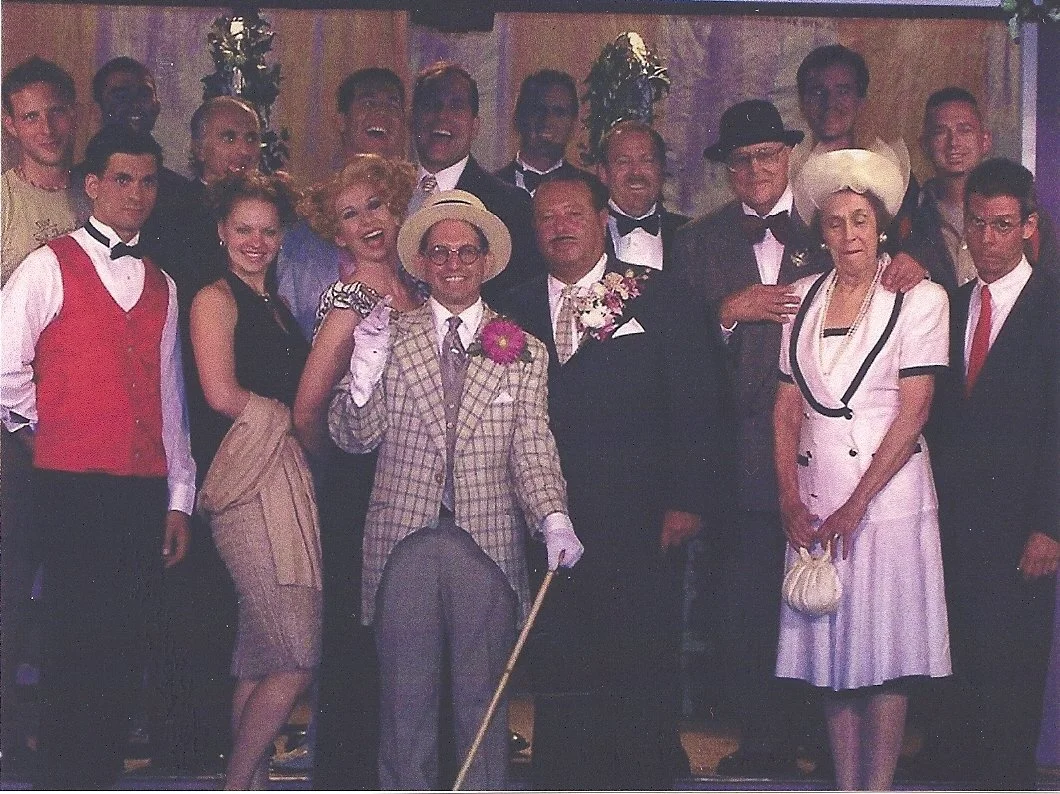
Casts from Early FIPAP Productions: Wish You Were Here, Fifty Million Frenchmen, High Spirit and Lady Be Good. Photos courtesy of FIPAP.
In its earliest years, with limited funding, FIPAP operated more like an organic community initiative rather a formal non-profit. While some shows were staged at the Community House, there were also events in living rooms, around pools, and on decks. At any event the person attending the show might also be the donor, the director, the architect who designed the host house, or the volunteer pouring wine afterward. In true Pines style, community members came together to showcase beauty, and art. Homes became galleries. Decks became stages. Parties became fundraisers.
By blending of art, architecture, performance, and social life FIPAP’s role in the community became enshrined. The Biennial Art Show quickly became one of the signature events of the Pines summer season, transforming private homes into temporary galleries and showcasing the remarkable artistic talent embedded throughout the community.
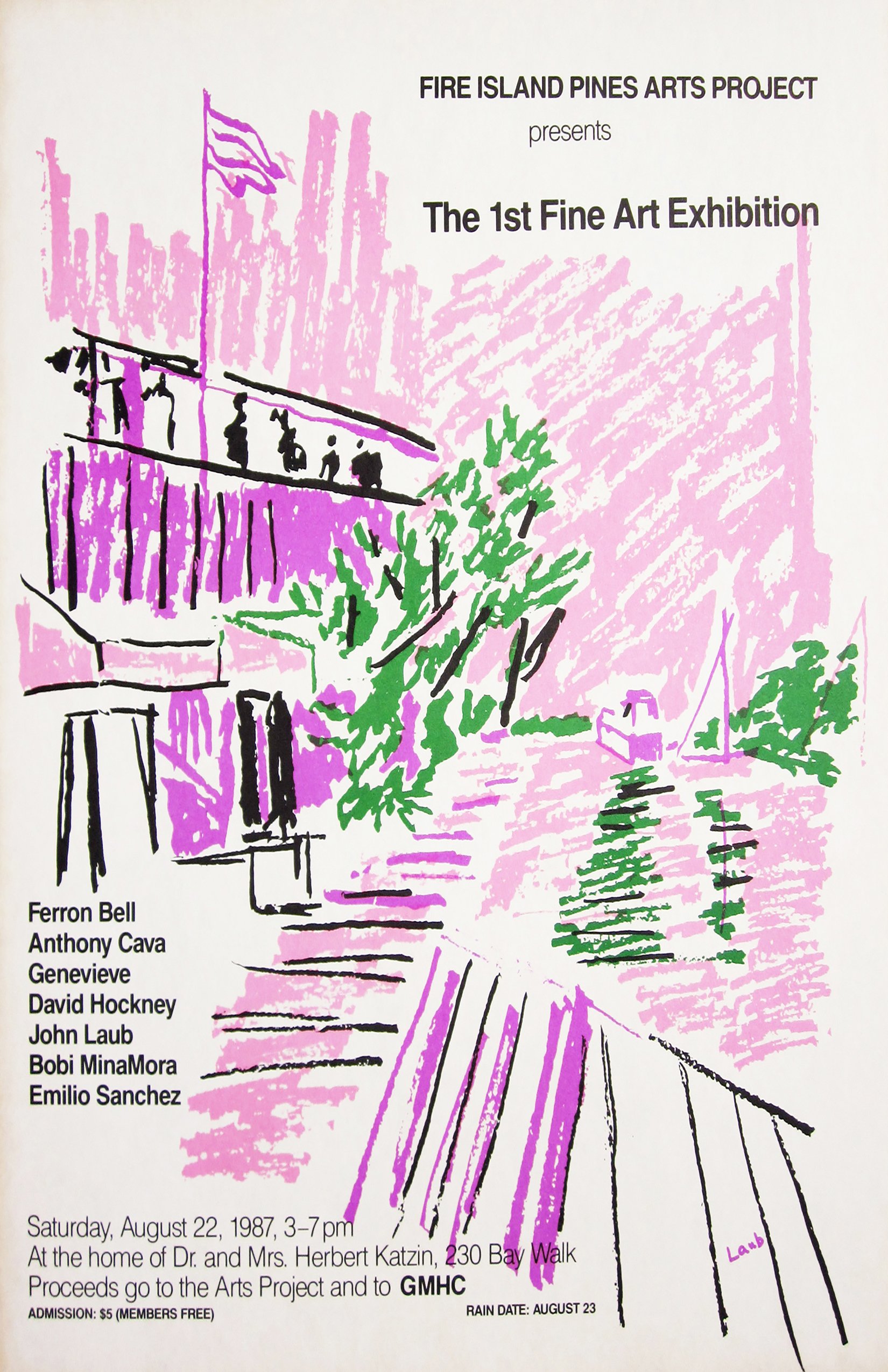
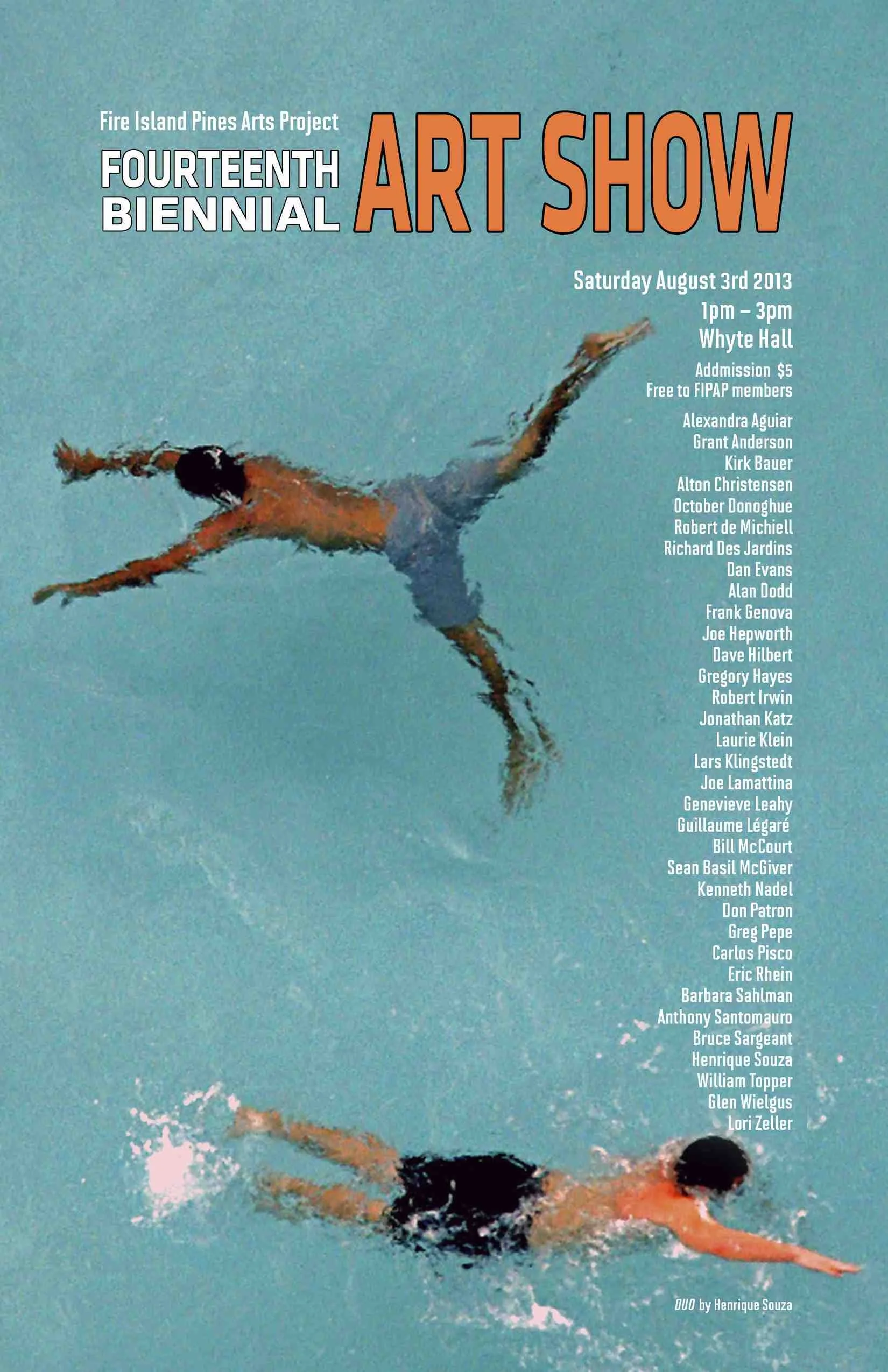
Posters for Biennial Art Show in 1987 and 2013. Photos courtesy of FIPAP.
The theatrical performances, however, were its backbone. Initially, they too were held on a biennial basis, but FIPAP’s leadership soon realized for the organization to grow they needed to be an annual event. With finances a concern, the focus was on musicals as they were popular and almost guaranteed to sell out.
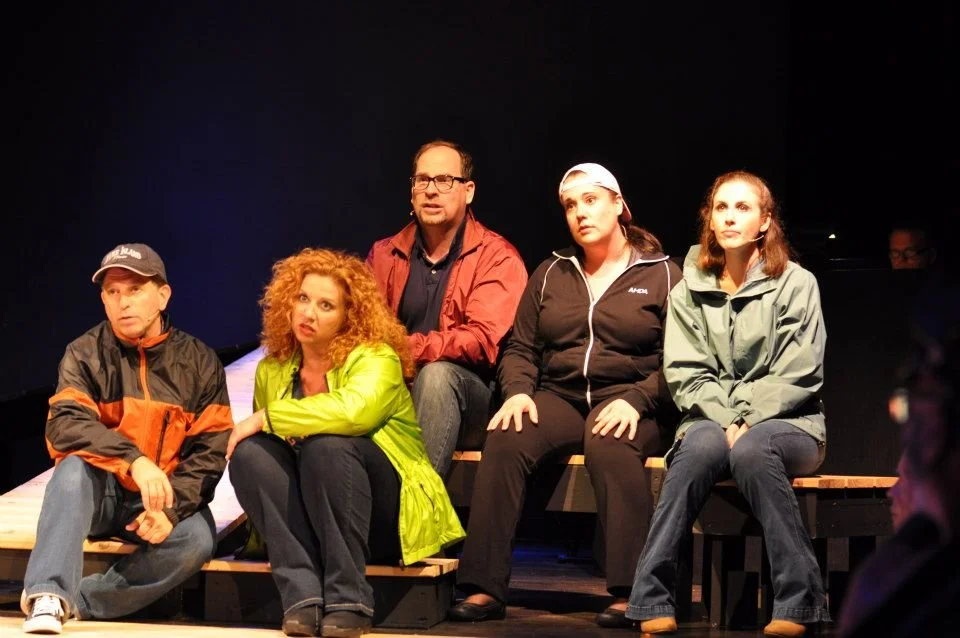
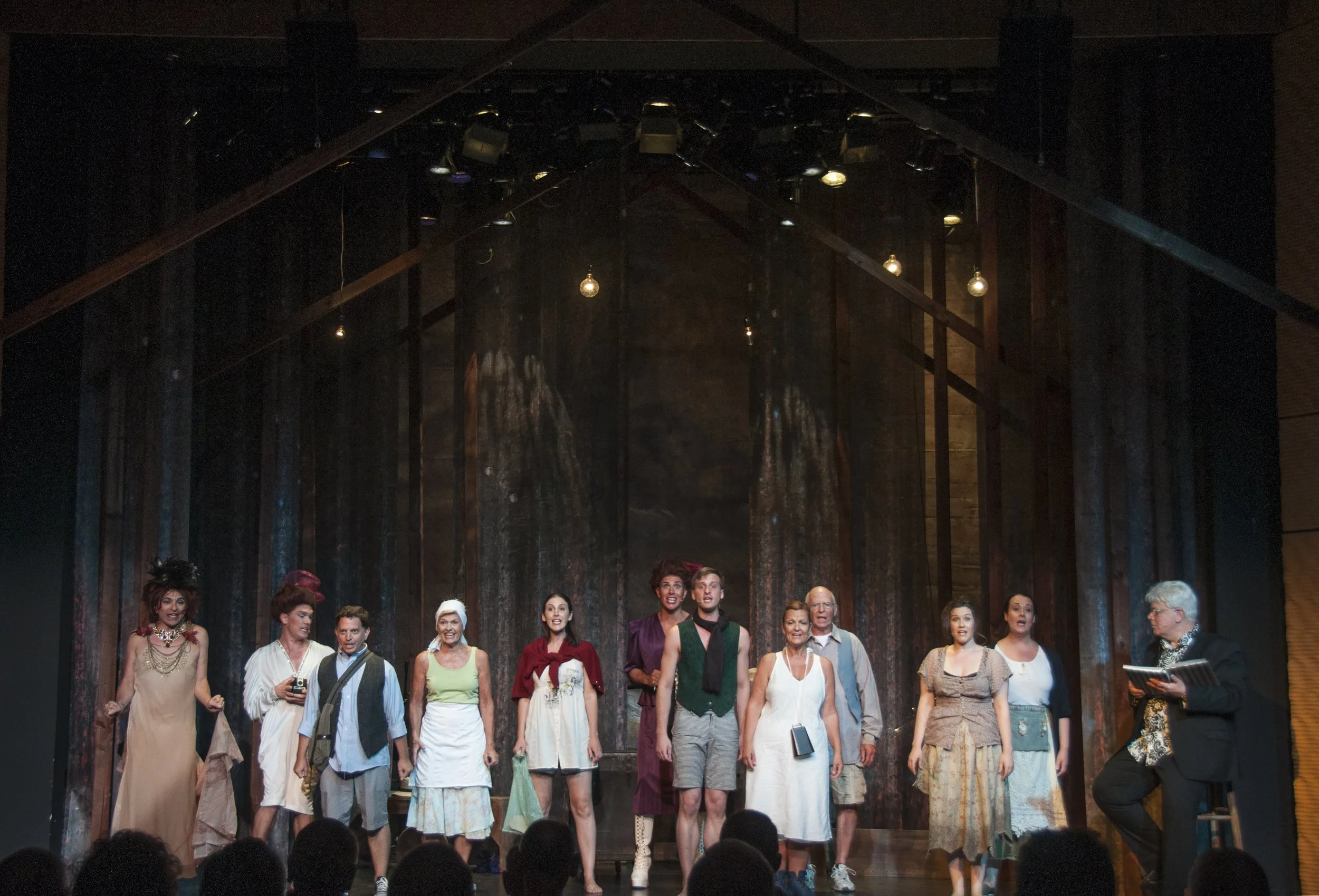
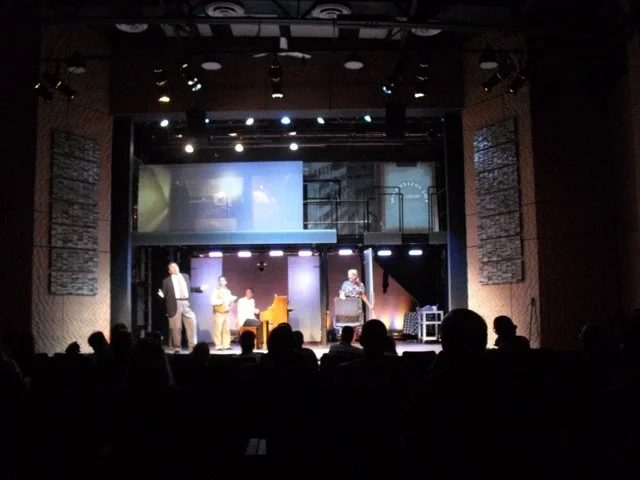
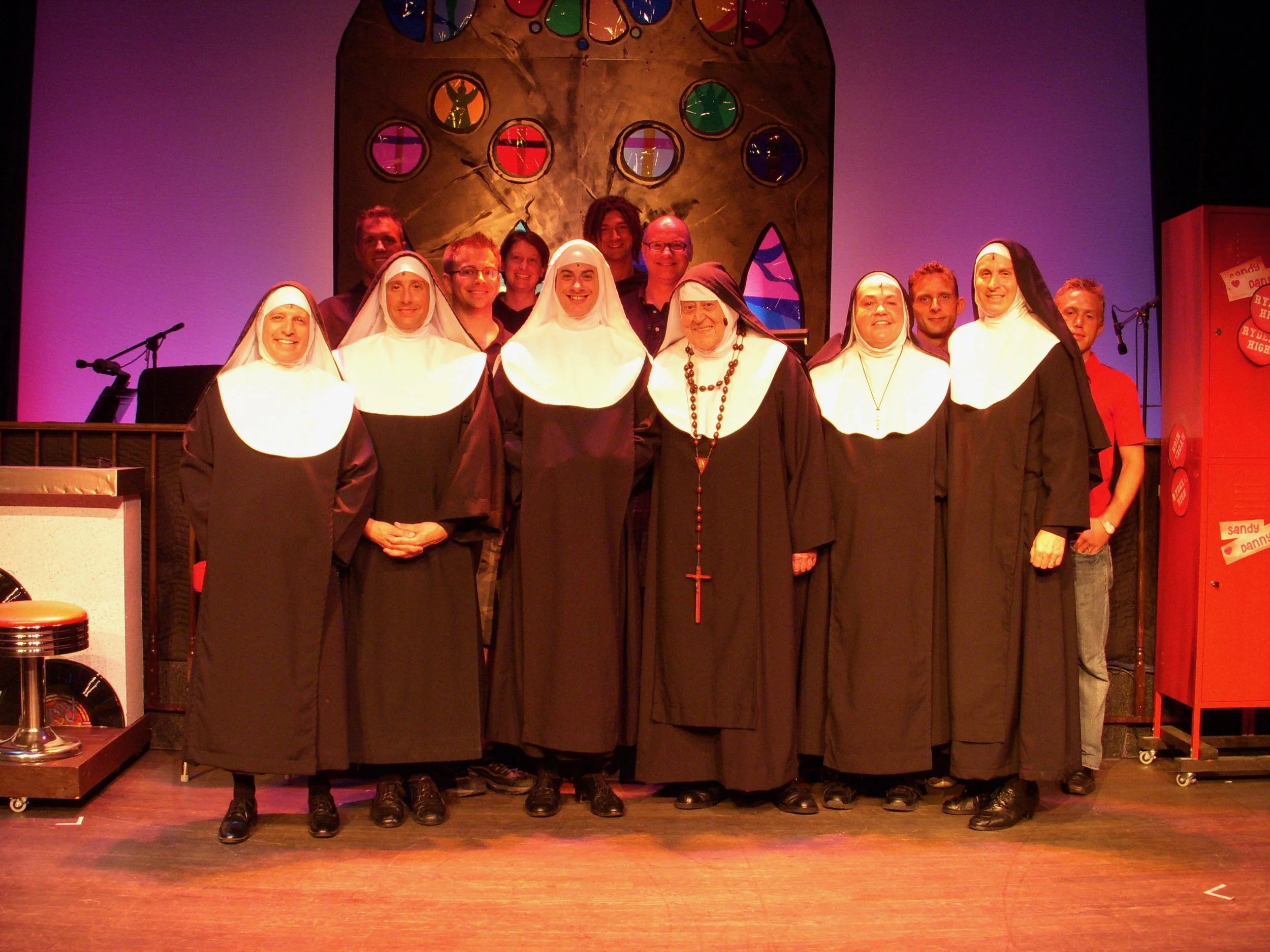
FIPAP musical productions: Falsettos, Into The Woods, Merrily We Roll Along and Nunsense.
FIPAP’s importance to the Pines is evidenced by the fact that for decades people have poured extraordinary amounts of talent, energy, and volunteer labor into it. The generation of leaders who succeeded its founders helped propel FIPAP from a community initiative into one of the most sophisticated nonprofit arts organizations on Fire Island.
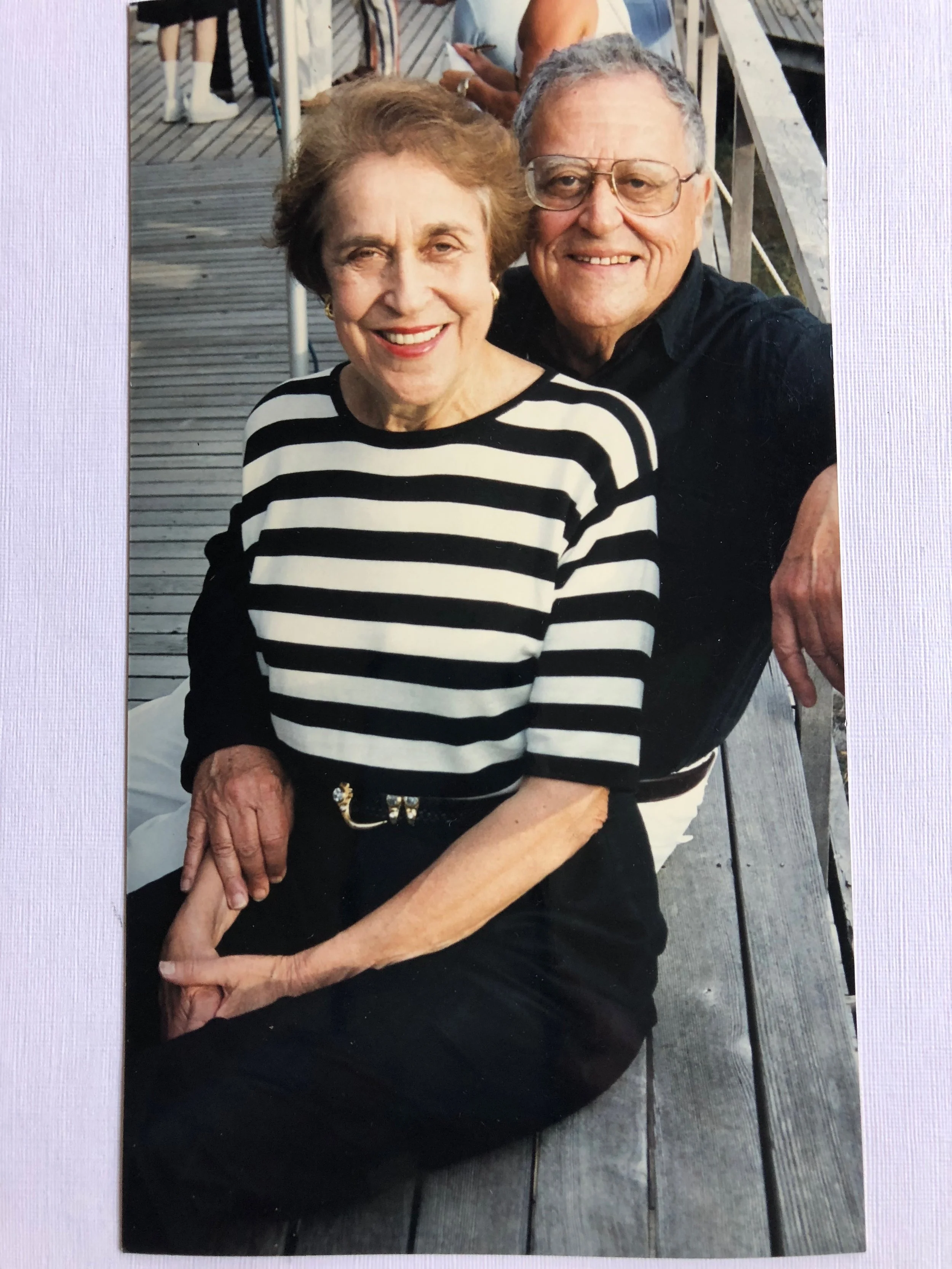
These include Glen Weilgus, Laura Hartstein, Nicole LaFountaine, Jack and Rita Lichtenstein, David Kneuse, Michael Cervino, Steven Alan Black, Richard Des Jardin and Marc Ostfield. Together, they took the organization forward with more professional management that helped improve its financial condition, while never losing focus on the goal of providing quality entertainment to the community.
Jack and Rita Lichtenstein. Photo courtesy of FIPAP.

As current FIPAP President, Steven Alan Black notes: “The Pines is a very special place filled with many talented people who have stepped up to help FIPAP grow and thrive. FIPAP today is in many ways the product of their creativity, determination and hard work..”
Steven Alan Black. Photo courtesy of IMDb.
It is worth noting while FIPAP was rightly focused on improving its financial health, they also produced benefits for other Pines organizations. These included a five show series called Tony’ Shorts directed by Tony Impavido that raised money for Pines Care, PAWS and the community firehouse.
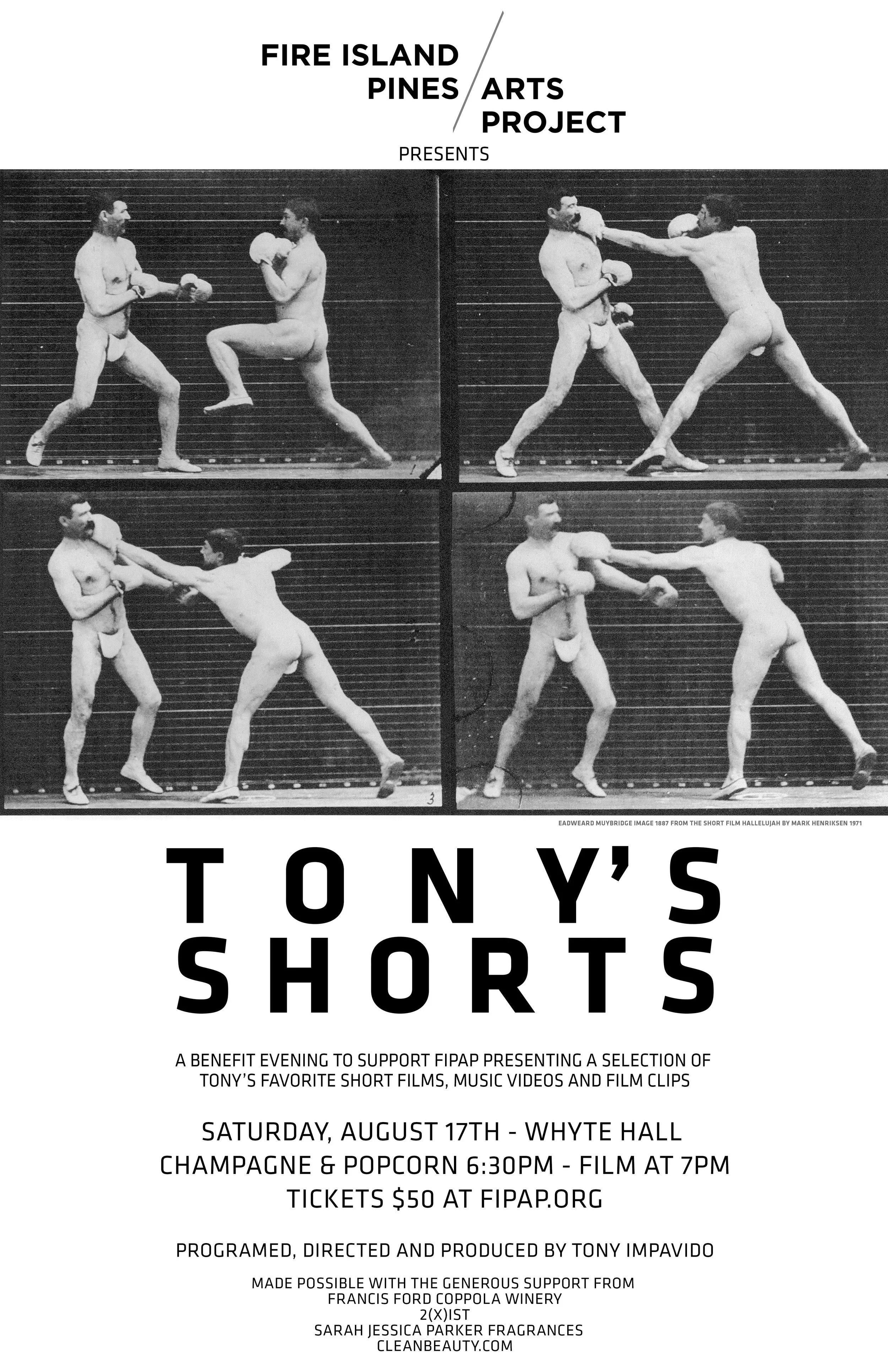
Poster from Tony’s Shorts. Photo courtesy of FIPAP.
One of the reasons FIPAP has become such a central part of the Pines and the greater Fire Island community is because its leaders understood its audience and responded to their needs. While Pines residents wanted theatre, live performances and the opportunity to see great art, they also wanted to go to Tea, have dinner with friends, and dance until morning. FIPAP adapted by shaping productions around the rhythms of Pines life rather than competing against them. Shows began earlier, and productions were tailored to meet community interests.
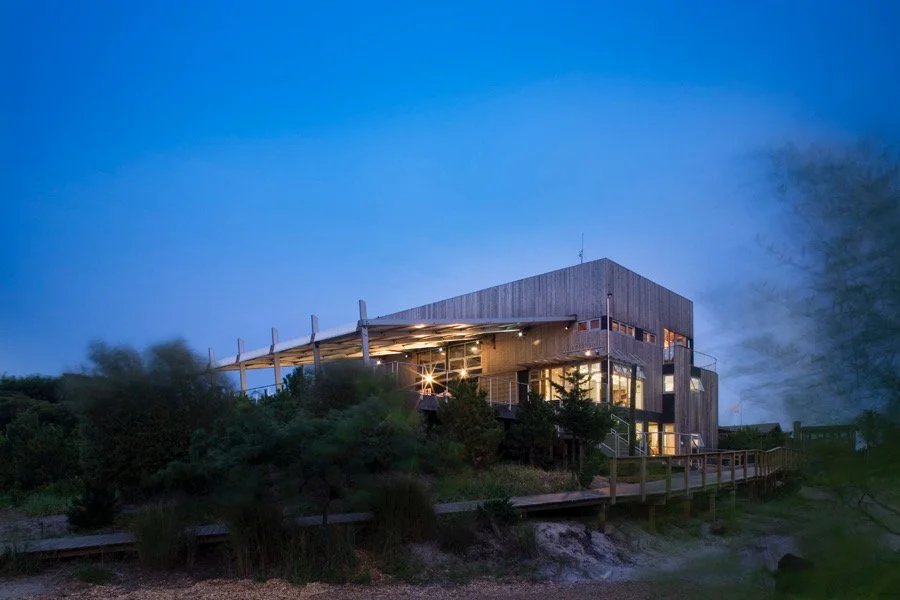
The arrival of Whyte Hall gave FIPAP a huge boost. Designed by Scott Bromley, it provided a true cultural home for FIPAP and a space capable of supporting larger and more sophisticated productions. In this way, it allowed FIPAP to grow and expand.
Whyte Hall. Photo courtesy of FIPAP.
As the organization matured, so did its productions. Early musical reviews gave way to fully staged book musicals and increasingly ambitious theatrical programming. Today, a typical season includes cabarets, concerts, readings and theatrical performances. The centerpiece of the season is the annual summer musical staged at Whyte Hall over Labor Day Weekend. Featuring a mix of Broadway and local talent the shows give community a close and often personal connection to shows like Hello Dolly, The Rocky Horror Picture Show, Rent and others.
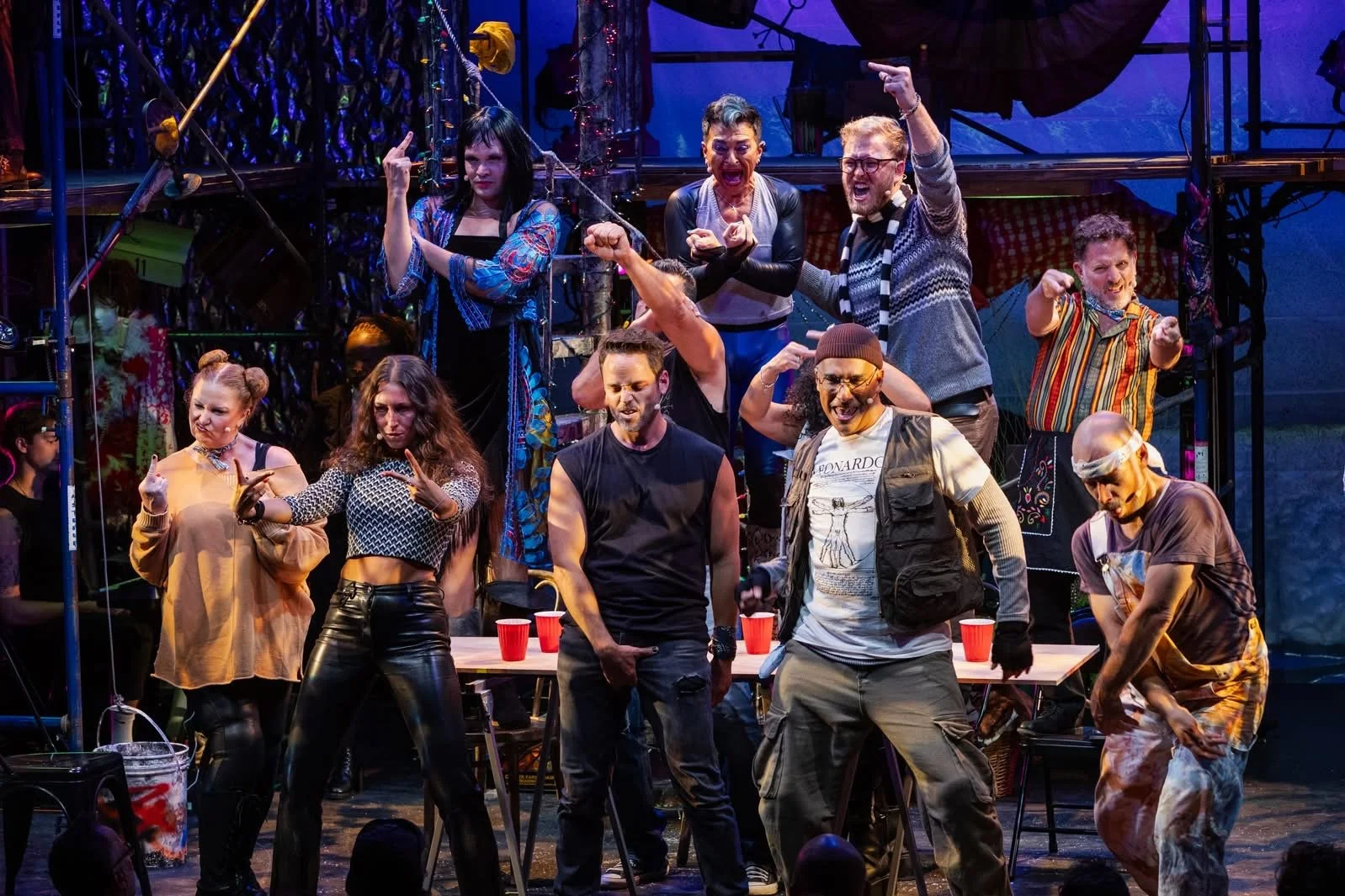
Rent performed at Whyte Hall. Photo courtesy of FIPAP.
One of FIPAP’s most important creative pivots came with Barn on Fire, an artist residency and development initiative that allowed emerging performers, writers, and musicians to come to the Pines and create within its unique setting. Championed by longtime Pines resident Nicole LaFountaine, it was created in 2022 through a partnership between the Fire Island Pines Arts Project (FIPAP) and New York Theatre Barn to support the development of new musicals. The initiative, however, reflects a broader evolution in the organization’s mission — leveraging its focus on entertainment to help cultivate the next generation of queer creative voices. Since its launch, Barn on Fire has supported 14 new musicals, several of which have gone on to major productions, including Little Miss Perfect, which premiered at Maryland’s Olney Theatre in 2026, and King of Pangea, which premiered Off-West End in London in 2025.
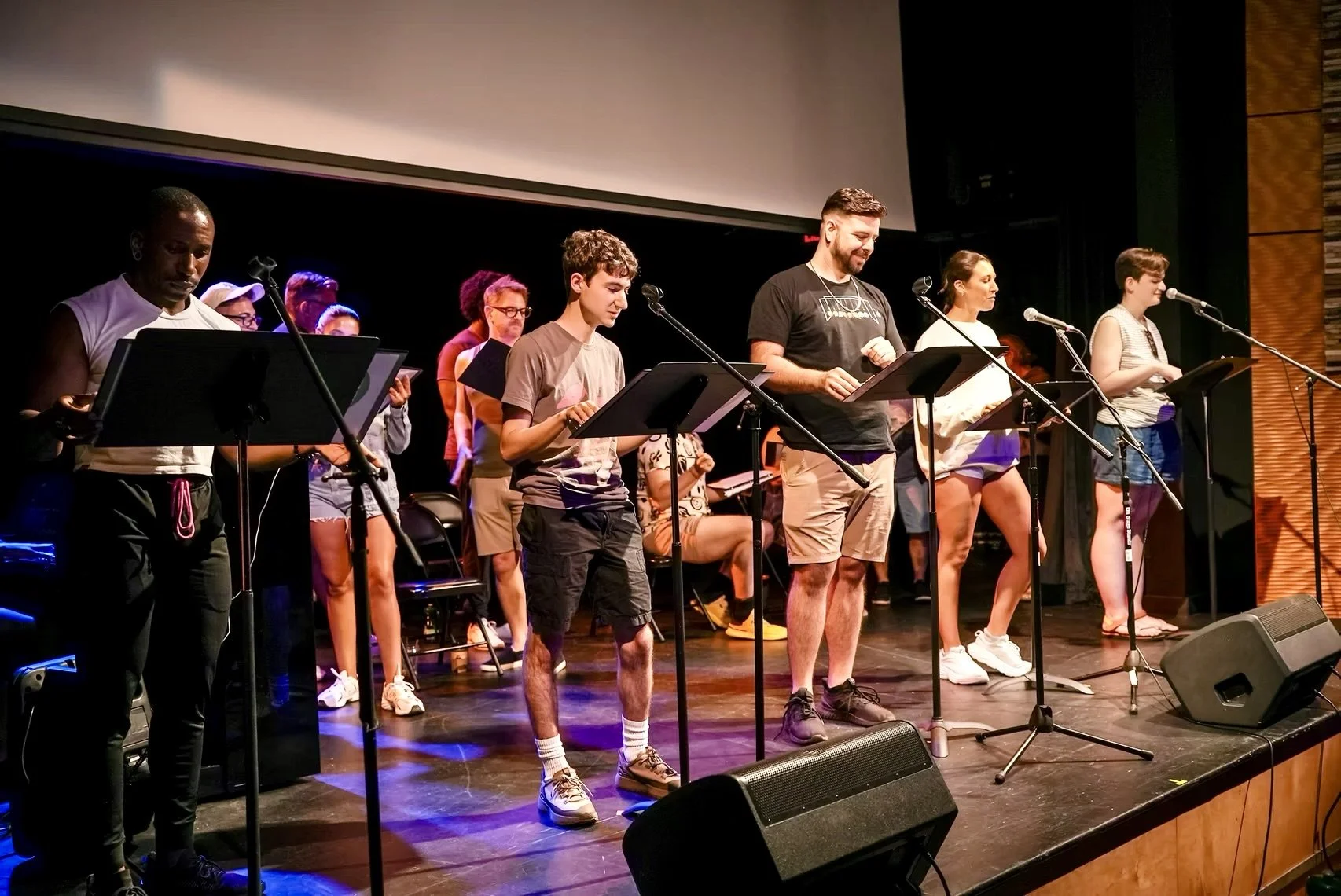
Barn on Fire Production at Whyte Hall. Photo courtesy of New York Theatre Barn.
Culture in the Pines, like everywhere, is constantly evolving. Today, organizations like BOFFO, the Fire Island Dance Festival, and the Fire Island Artist Residency are now part of the artistic and cultural landscape. But FIPAP remains foundational because it was the institution that first gave lasting structure to the Pines’ own creative identity. Its legacy ultimately goes far beyond musicals or art shows. FIPAP helped reinforce something the community has long understood about itself: that Fire Island Pines is not simply a place of escape, nightlife, or hedonism, but also one of creativity, intellect, collaboration, and artistic production. Through its work, longevity and commitment to breaking new ground FIPAP has shown that the Pines is not merely a beach resort, but a genuine community. In so doing, it has blazed the trail for new organizations and creative endeavors, ensuring a bright cultural future for the Pines.