The Red Party (1976)
By Ron Martin. December 2025
The white sands of the Fire Island Pines beach reigned as the summer nexus of daytime social activity during the community’s most glamorous era, the 1970s. It was a time before most houses had pools and before daytime gatherings shifted to wooden decks for today’s ubiquitous pool parties.
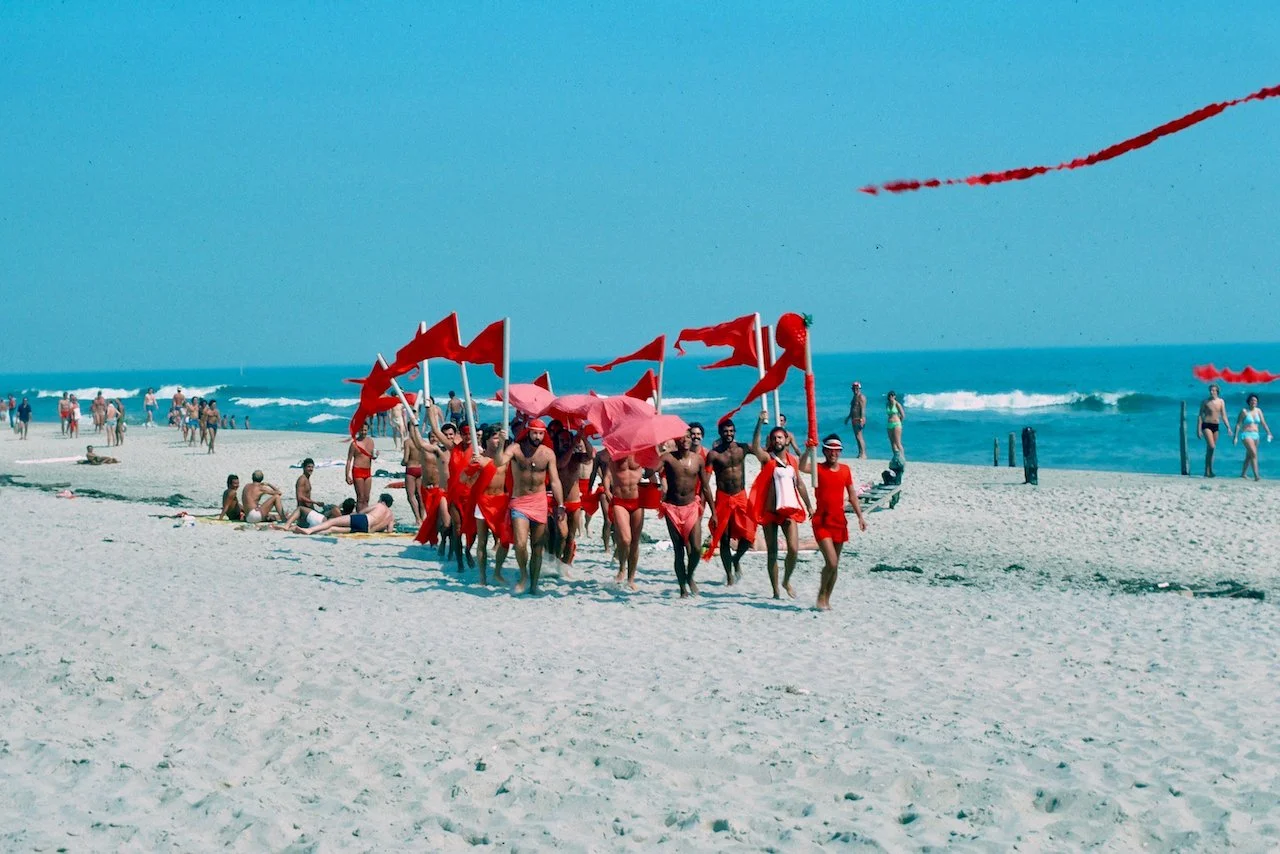
There was something quite democratic about the beach. Young renters with flair mingled with affluent homeowners and their celebrity guests, while attractive day-trippers fueled the sexual energy of the mix. The fashion, design and entertainment world came from the city on seaplanes or via JFK from places in Europe and abroad. And oddly, it was a total lack of pretension along with a casual attitude that made the Pines impossibly chic.
Entertaining friends on the beach emerged as a casual but carefully planned art form that culminated in the grandest of all parties – Beach in 1979. Party themes were usually limited to a single color that would dictate both décor and attire. Nothing more than a Speedo in the right color was always de rigor. The simple fare offered guests most often came from a massive punchbowl with a mostly wine-based beverage (and perhaps a modest amount of secret ingredient), mounds of fresh fruit, and freely passed tokes of cannabis long before anyone knew what a vape pen was and when the idea of it becoming legalized was as far-fetched as gay marriage. If it was a birthday, cake was of course the finale.
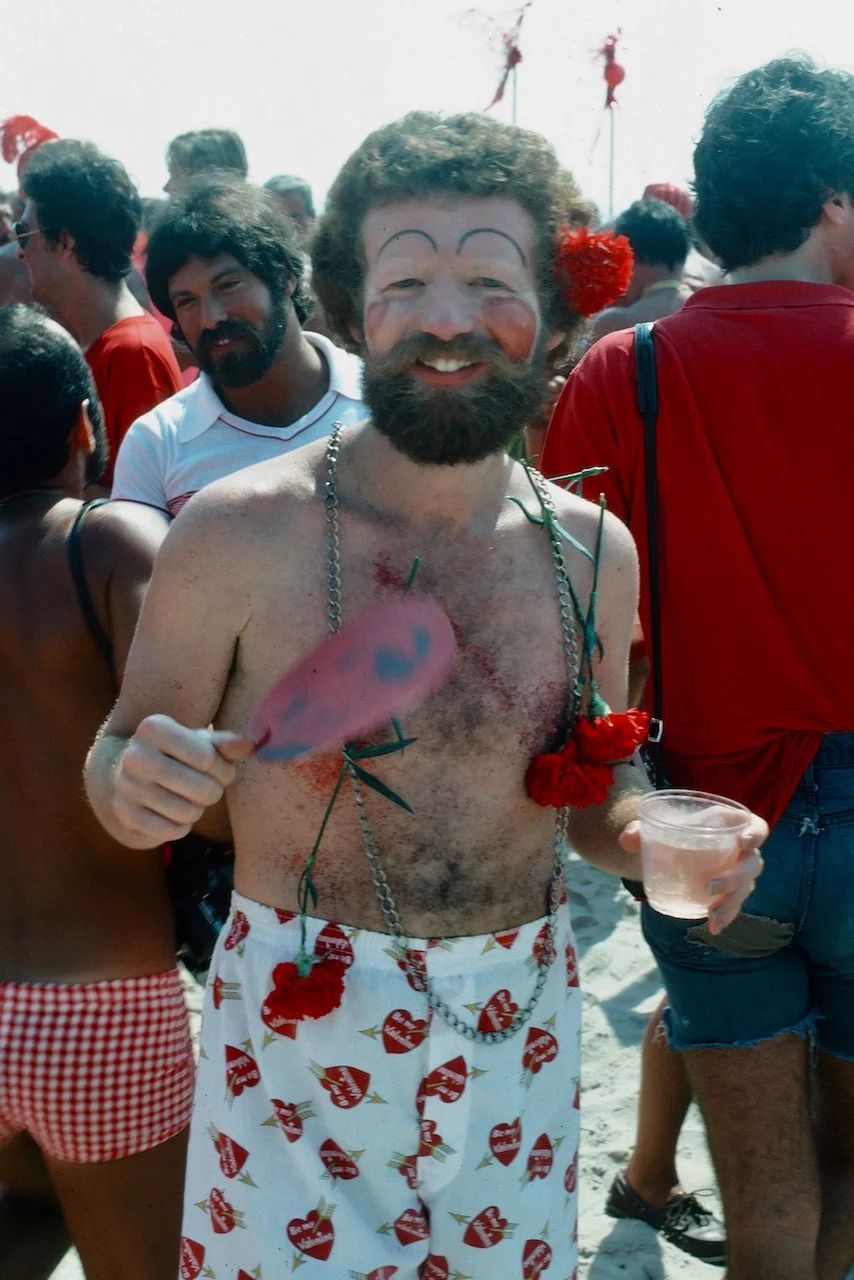
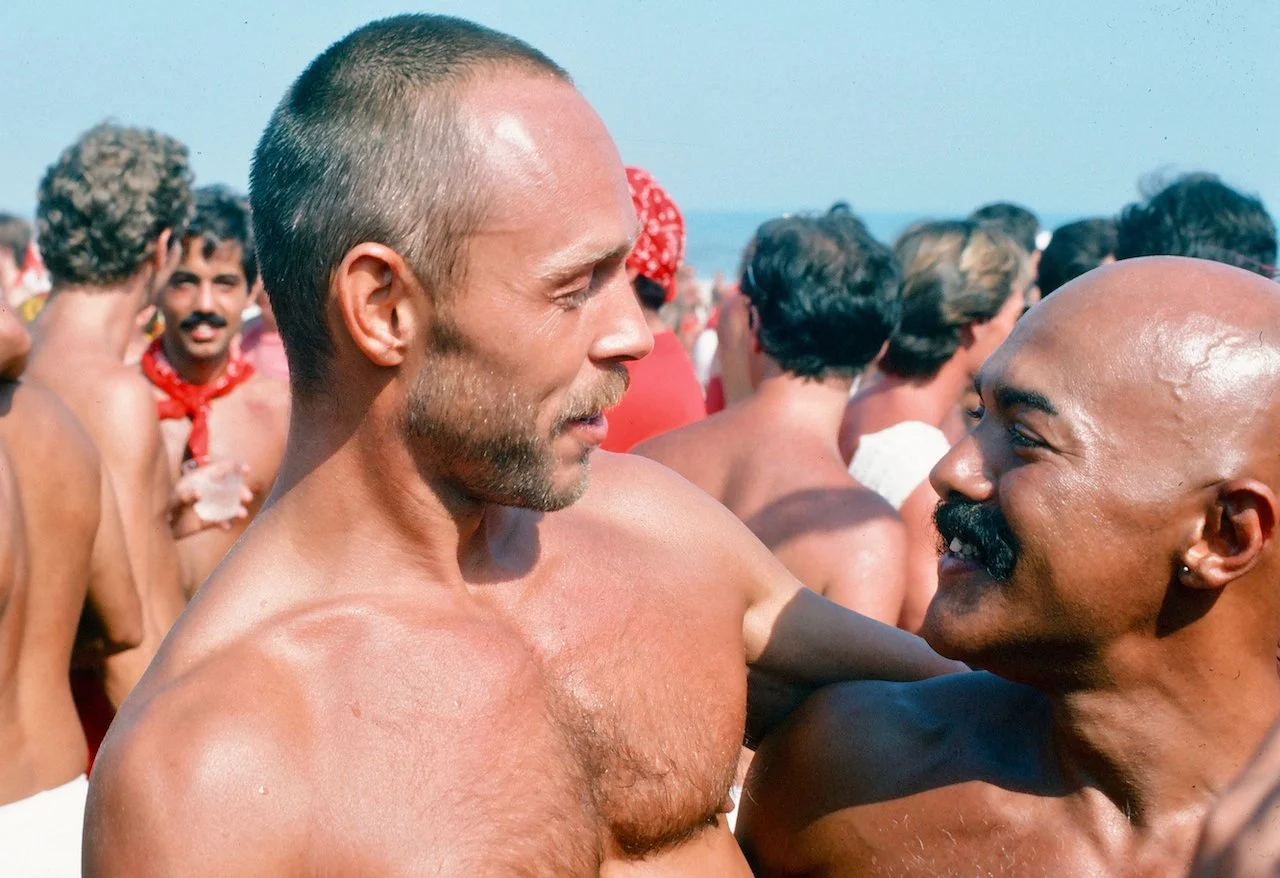
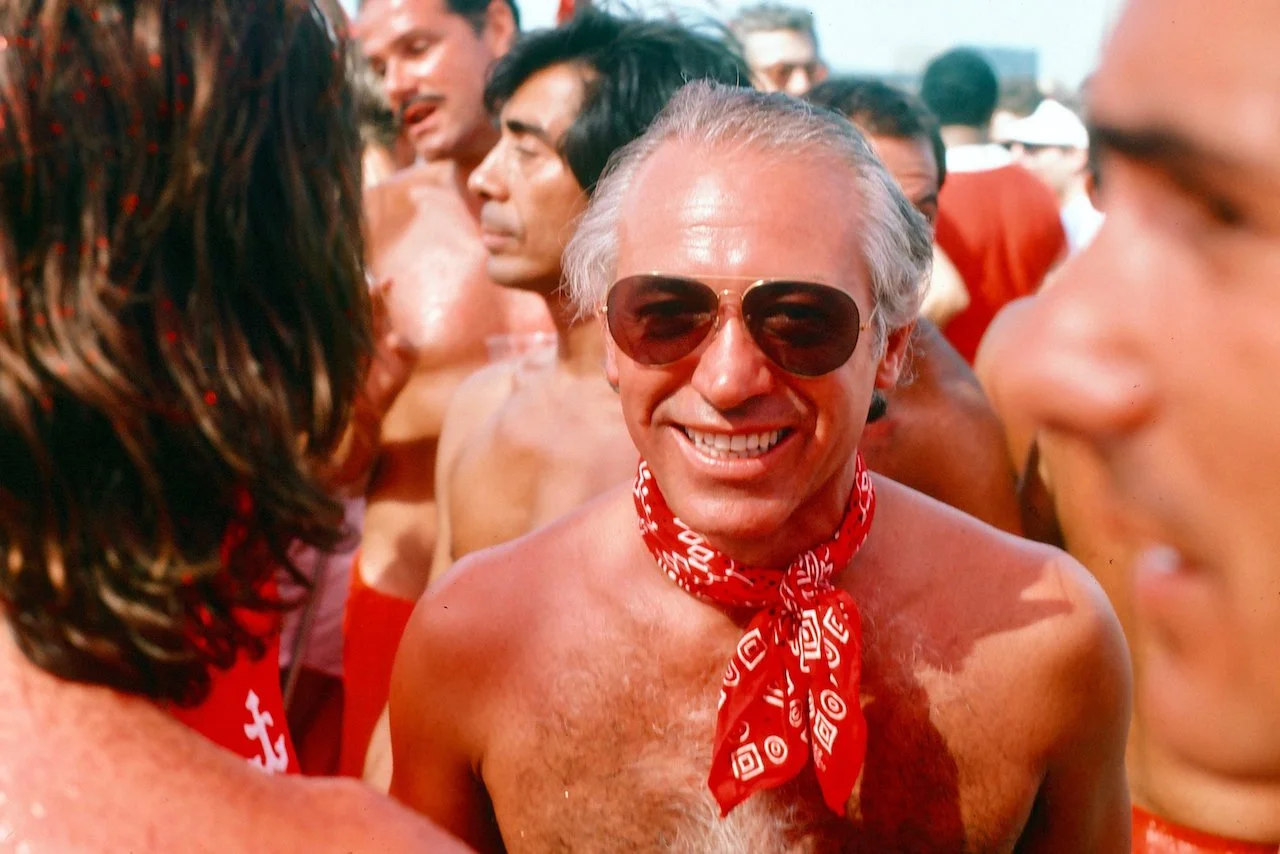
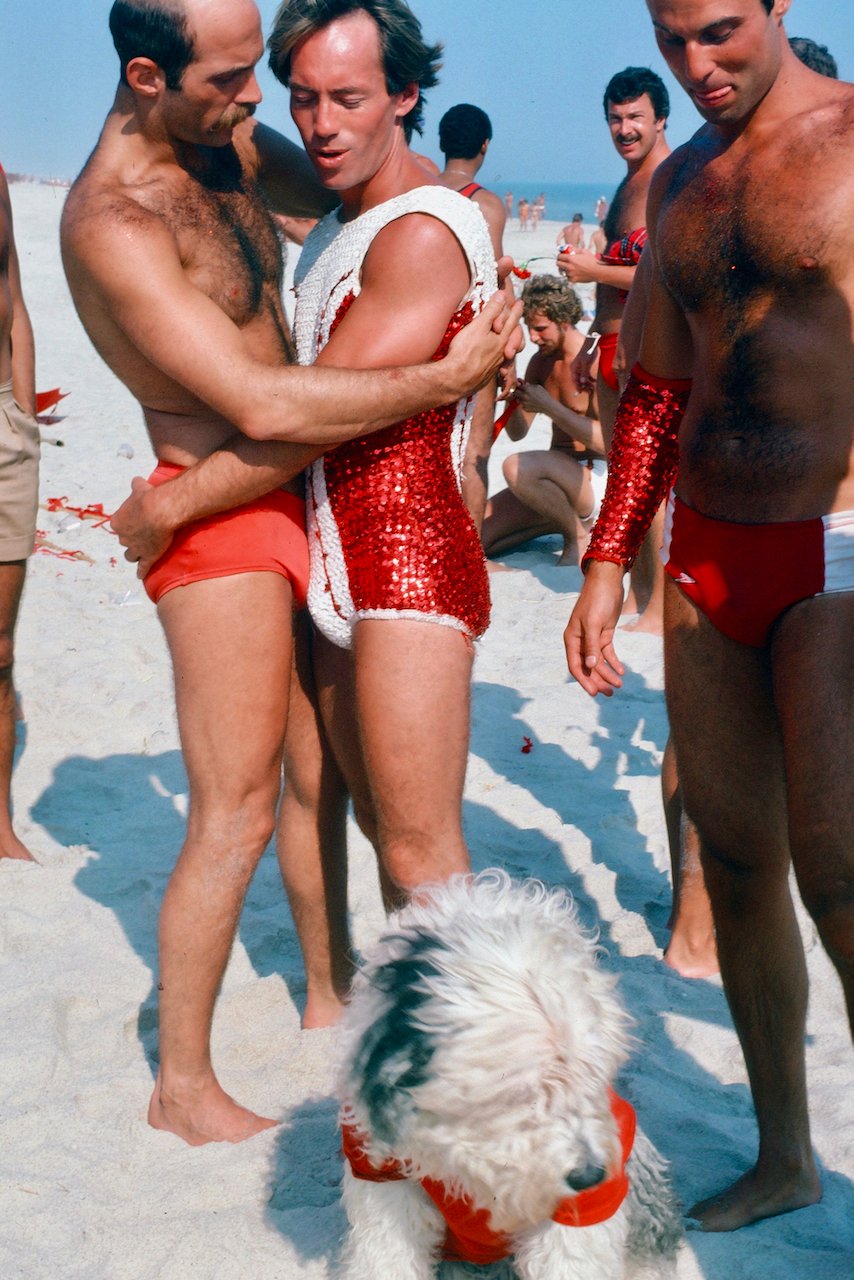
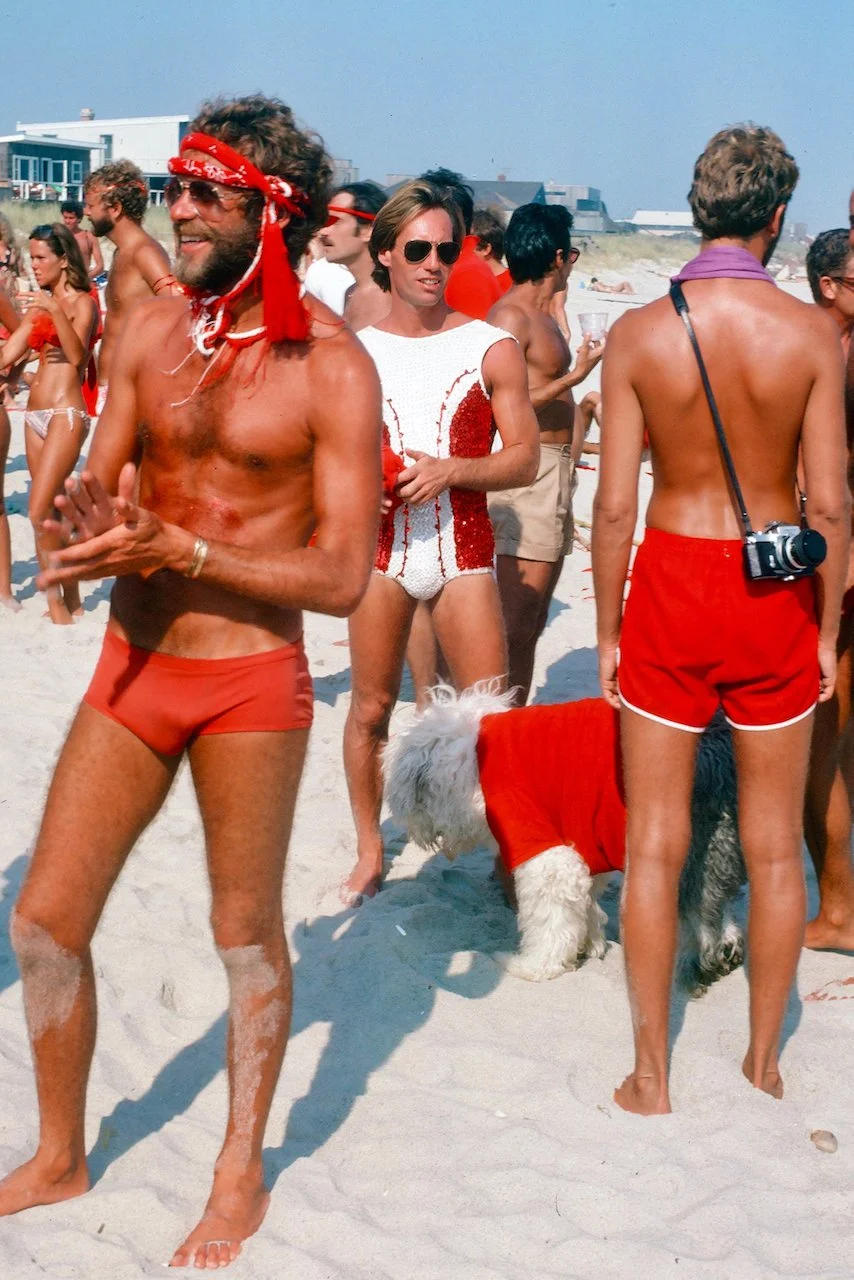
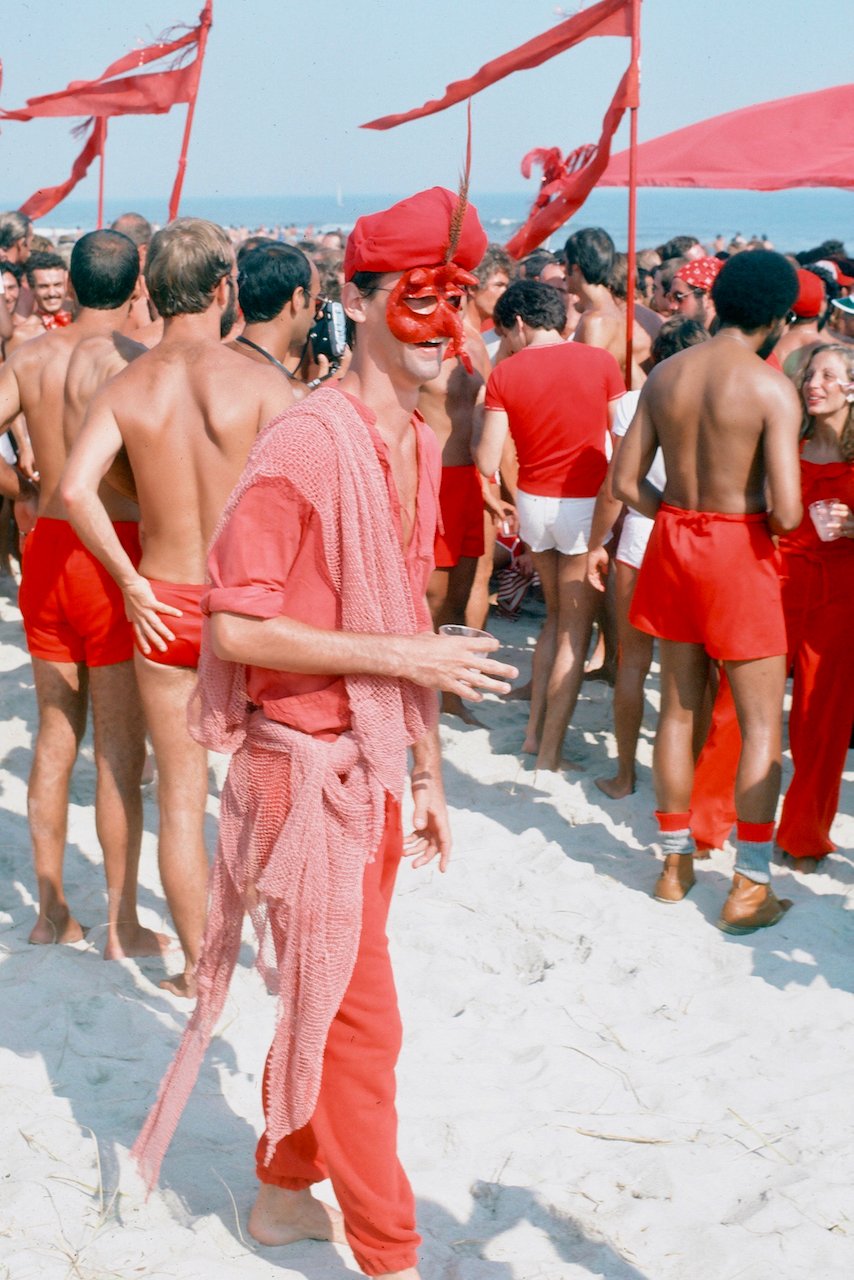
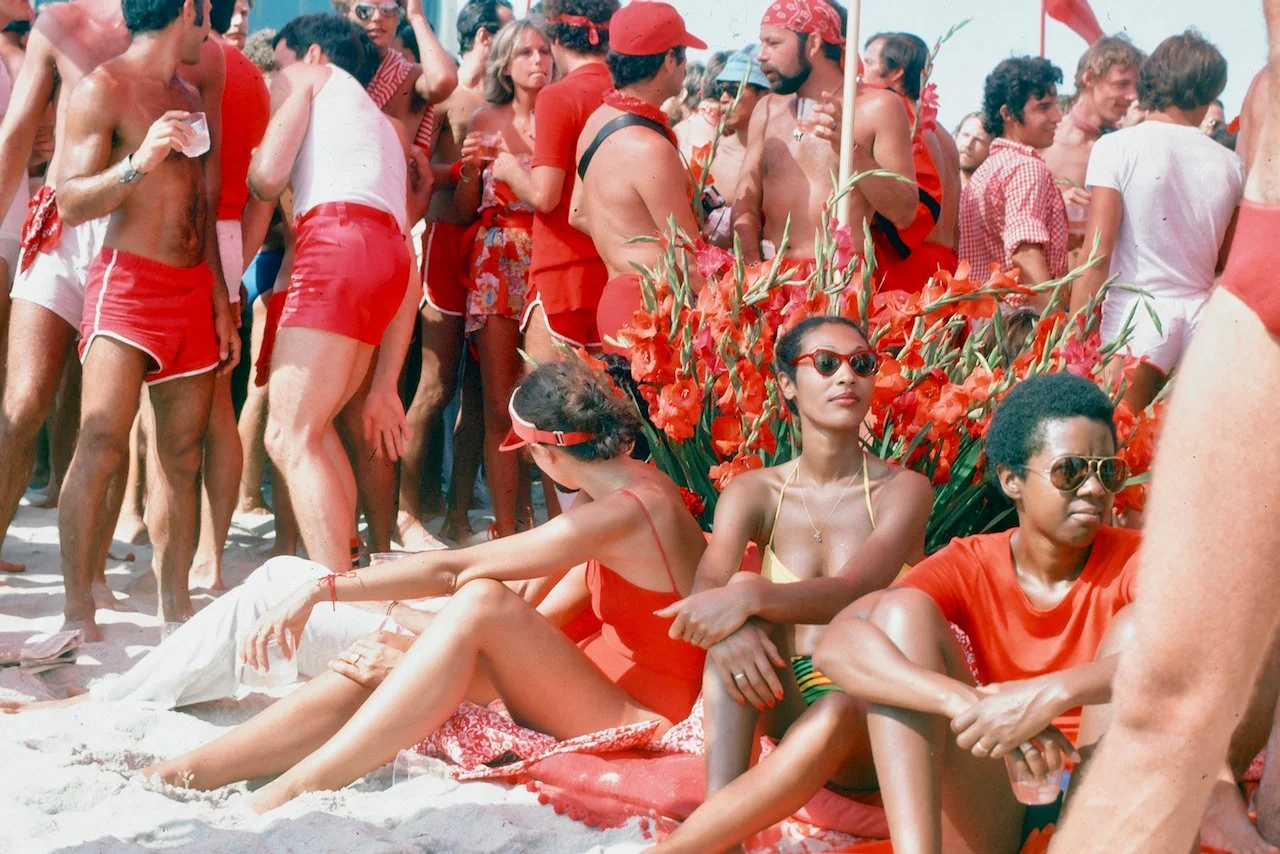
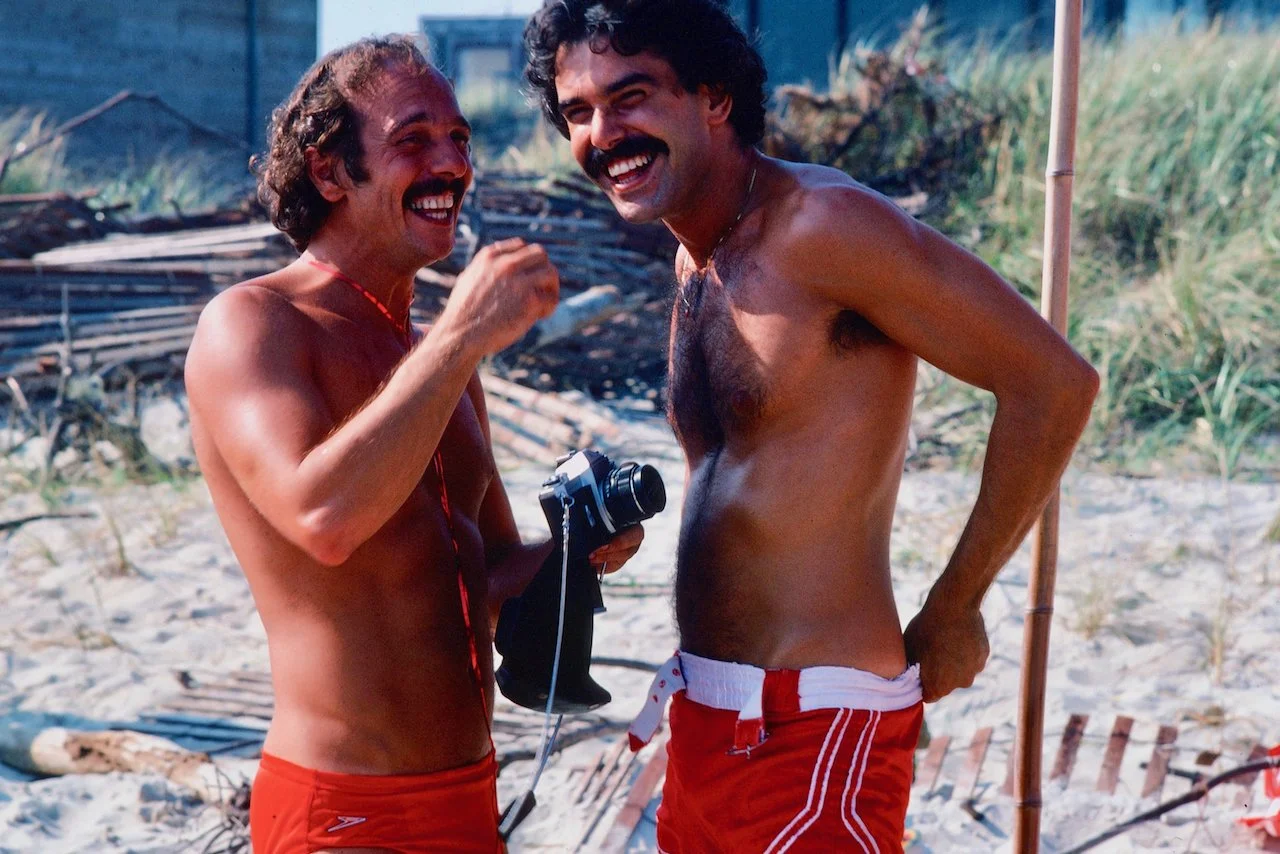
A vivid example of this coastline revelry was Gustavo Novoa’s Red Party in 1976, staged in front of the “TV House” at the end of Beach Hill Walk.
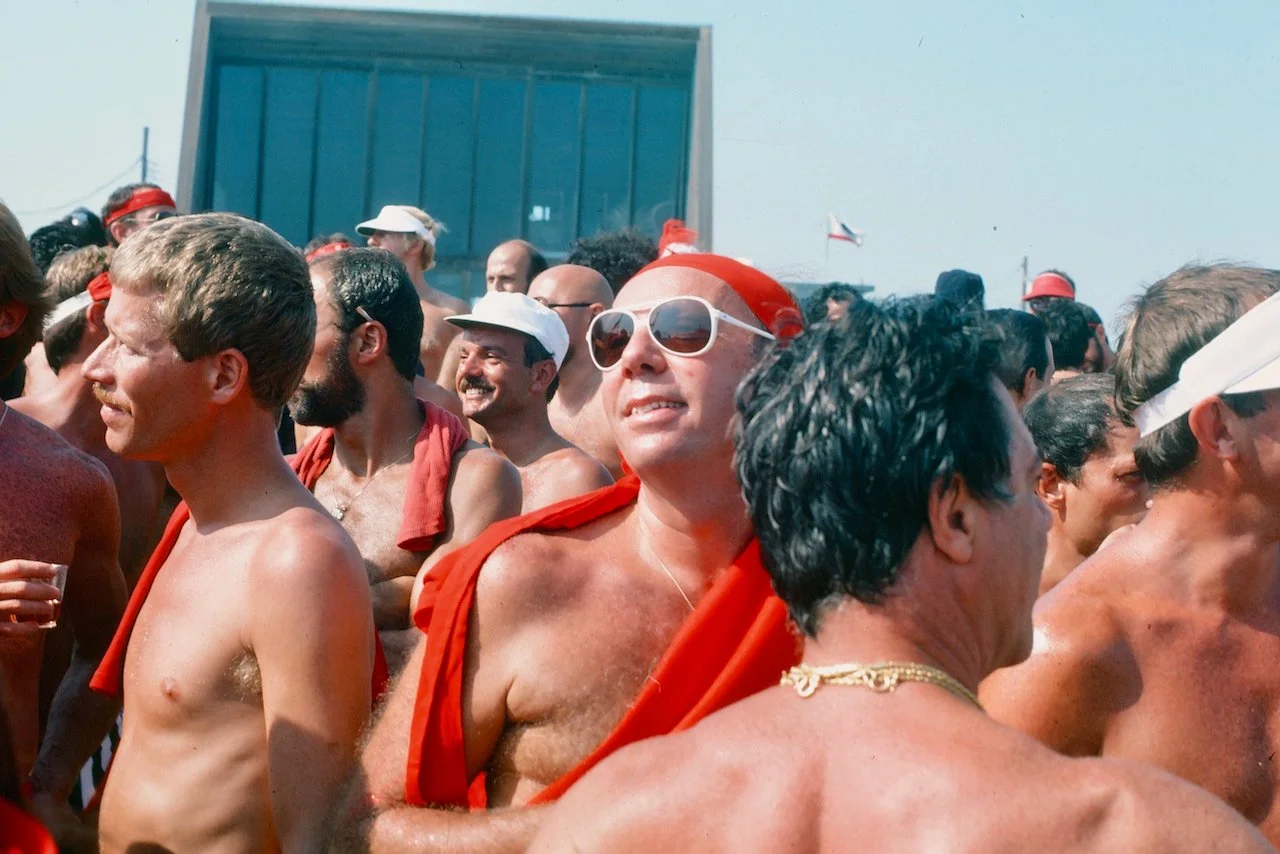
The Red Party staged in front of the legendary TV House. Photo courtesy of Ron Martin
An internationally known painter, Gustavo Novoa (gustavonovoa.com) was a homeowner through the 1970s and brought a panache for entertaining to the Pines.
Chilean born, he had established his career in Paris before moving to New York City and cementing his renown with one-man exhibitions in New York, Paris, Palm Beach and Beverly Hills.

His paintings of primitive animals in colorful backgrounds became his trademark and established him as a champion of ecology and wildlife preservation.
Gustavo Nuovoa’s art work. Photo courtesy of Gustavo Nuovoa
He painted many of these dream-like jungle scenes with peaceful lions, zebras, panthers and monkeys living in harmony in a mystical world of exotic foliage on the decks of his houses, first on Ocean Walk, followed by a house on Bay Walk.
Novoa’s inspiration for his 1976 beach gathering came when he attended an auction in New York City and a 100-foot-long red carpet came up for bid. He immediately visualized a red carpet on the Pines beach leading to an afternoon party. Since there was no interest in the item, he bid $100 and won what would become the centerpiece of décor that included red chiffon tenting billowing in the wind. Serving cocktails of cranberry and vodka furthered the red theme, along with 100 marijuana joints rolled in red paper.
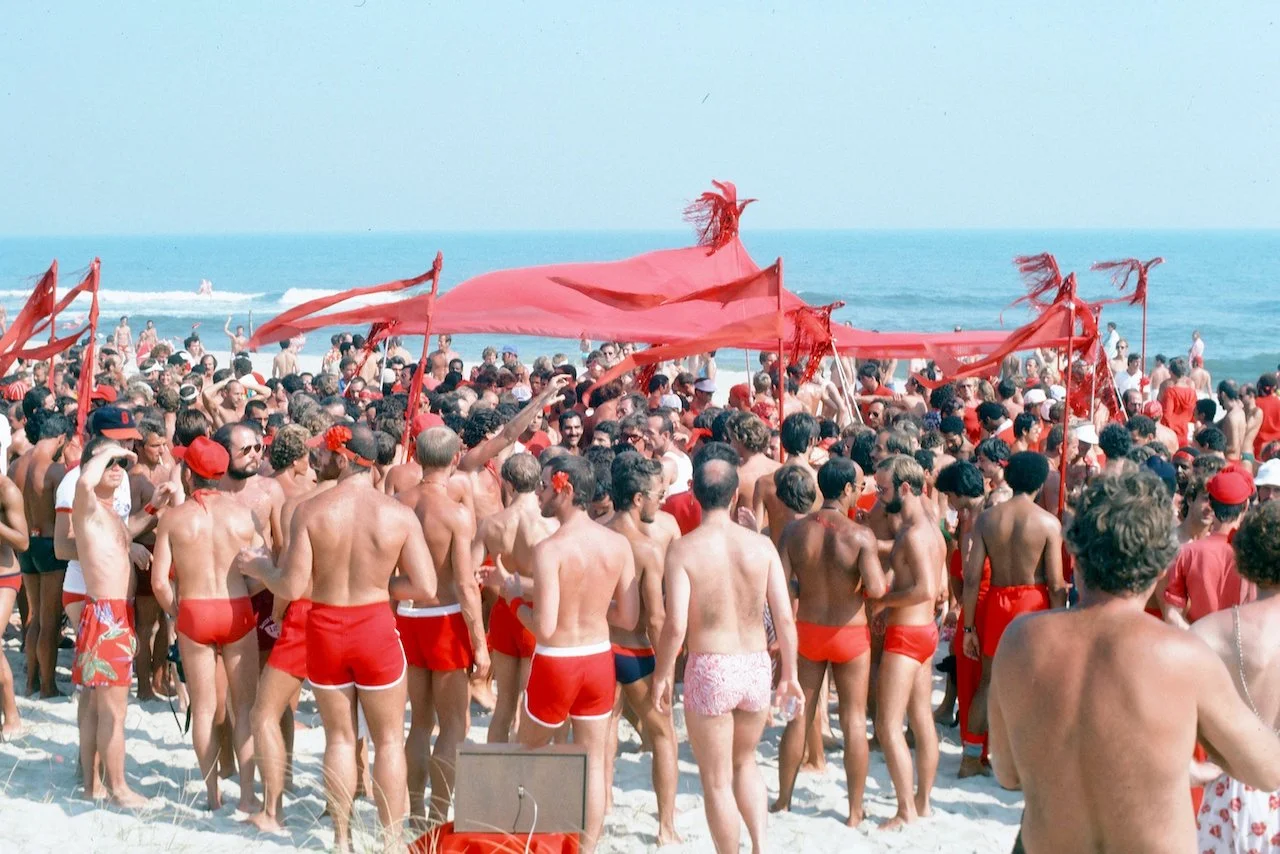
The Red Party. Phot courtesy of Ron Martin.
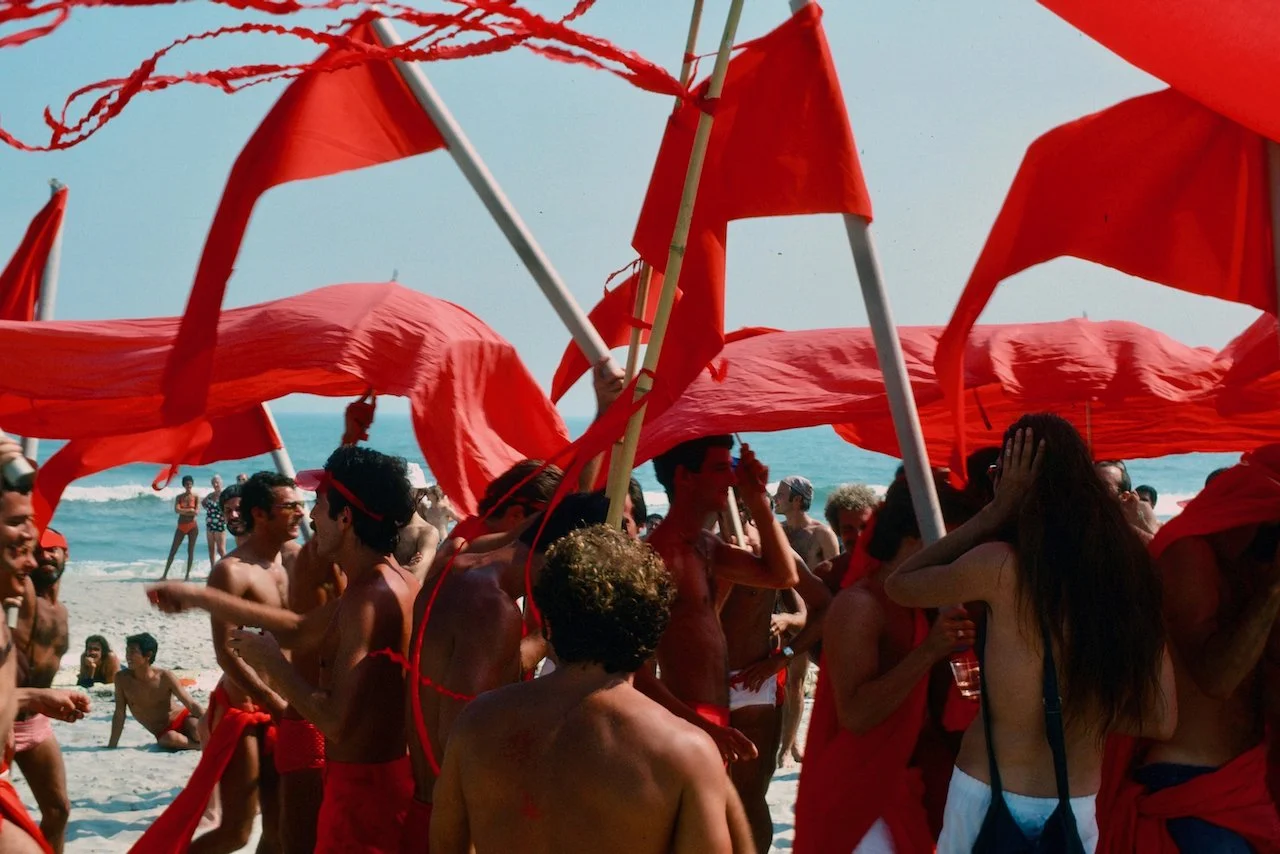
The Red Party. Photo by Ron Martin.
The Red Party attracted a large number of bold-face names to the beach for the afternoon. David Hockney, long before his paintings were selling for more than $90 million, brought along Henry Geldzahler, curator of contemporary art at the Metropolitan Museum of Art. Designer Donna Karan, still with Anne Klein and nine years before starting her own fashion empire, rubbed elbows with Prince Egon von Furstenberg and Kenneth Jay Lane, a jewelry designer who was hugely popular with a fashionable clientele and the stars. Broadway legend Tommy Tune, a Pines resident, towered above the crowd more than usual by wearing an exaggerated red stovepipe hat atop his six-foot six-inch frame. Maxine de la Falaise, socialite European model, actress, and interior designer, accompanied the city’s most sought-after dinner party guest, erudite art historian John Richardson who eventually wrote the definitive four-volume biography of Picasso. Oscar-nominated actress Sylvia Miles, well known for never missing a party, didn’t skip this one either.
Women’s Wear Daily, the bible of all that was stylish at the time, reported:
“A BEACHY PLACE TO BE: ‘My friend Francoise de la Renta said she wouldn’t be caught dead at Fire Island. I say it’s one of the most amusing places I’ve ever been in my life,’ said John Richardson as he stood under the red chiffon tent on the beach at Gustavo Novoa’s Red Ball. Richardson, formerly director of Knoedler Gallery and now director of the international art firm Artimes, wore a black bikini, black engineer boots and a red gingham shirt slung over his shoulder as he stood gossiping with
Boaz Mazor and Maxime de La Falaise. ‘The grand entrances, the tableaux here are more extraordinary than any of Baron Alexis de Rede’s Fantasy Balls. And it’s much more sexy than Rede hiring pretty gymnasts as props – here everyone looks like they live in gyms,’ said Kenneth Jay Lane.”
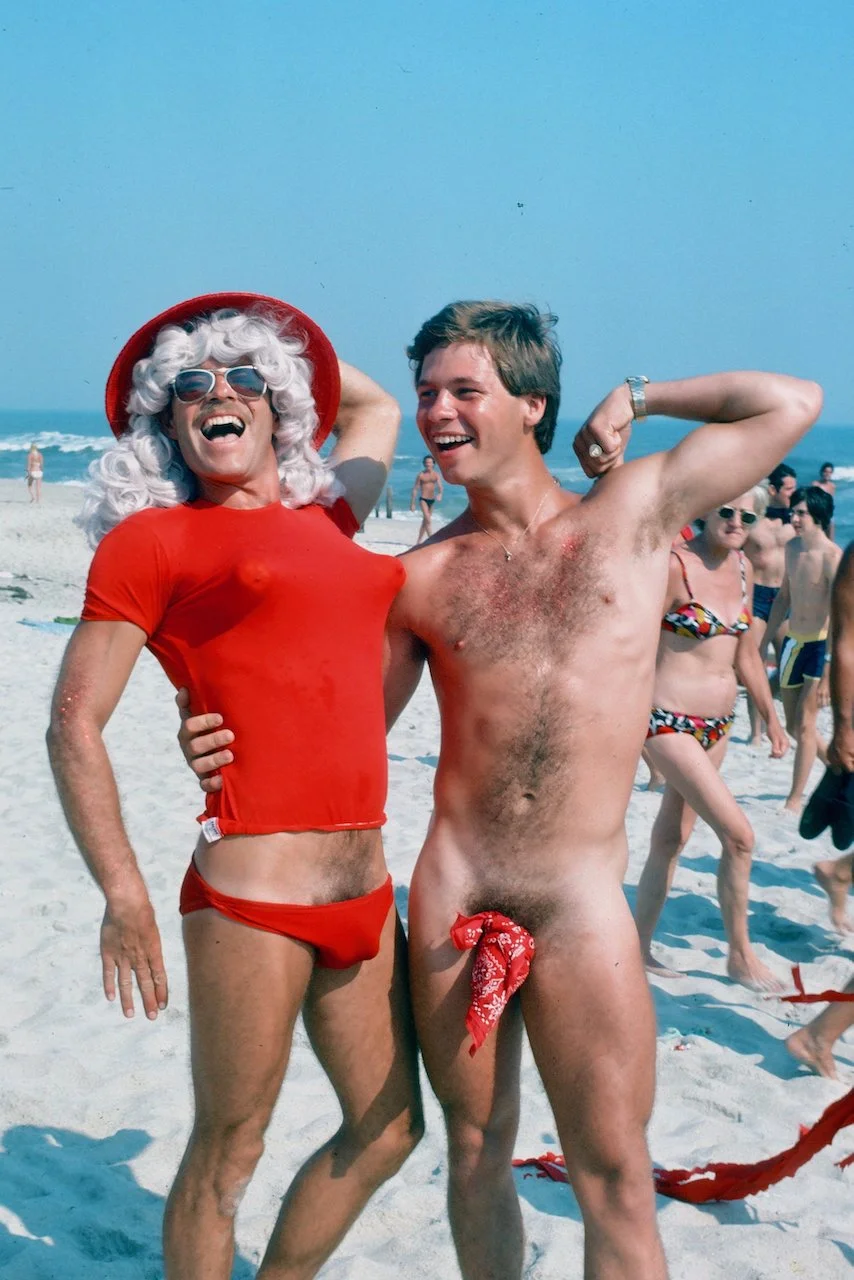
The Red Party. Photo by Ron Martin.
Novoa described his party in the book Gustavo Novoa: Paradise Revisted by Bridget Duvall-Kennedy: “Throwing parties on Fire Island is a bit different from what it is in a regular city. There is very little hired help available. The most you can count on is your house boy, if you are lucky to have one. So you have to depend mostly on your houseguests and neighbors. Yet when it comes to partying, they all love to lend a hand. Thanks to many friends we were able to put up a fifty-foot red chiffon tent, red runners, red sheets and pillows, bars, bartenders, flower arrangements and hundreds of red balloons together, all in one morning. All I can say is that it was indeed a very visual event and I think everyone had a great time.”
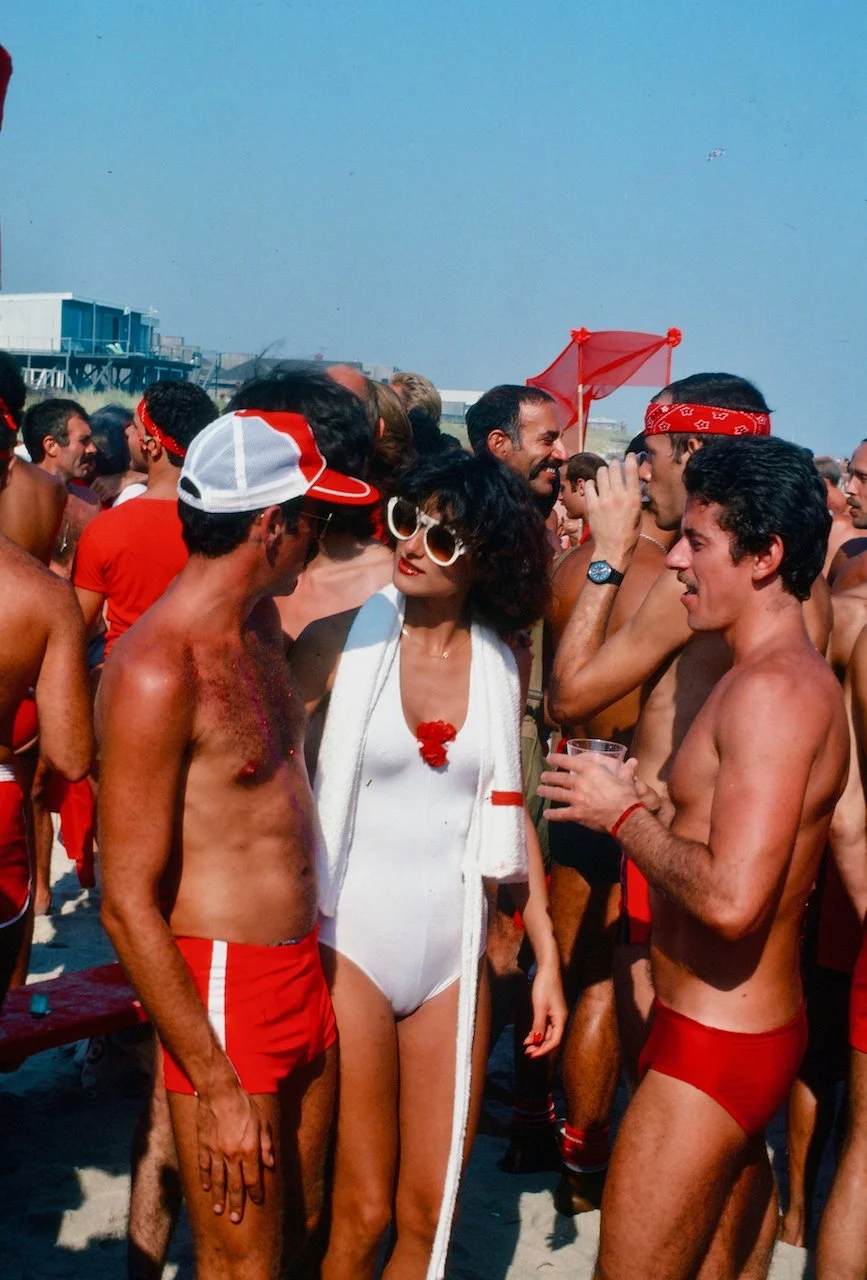
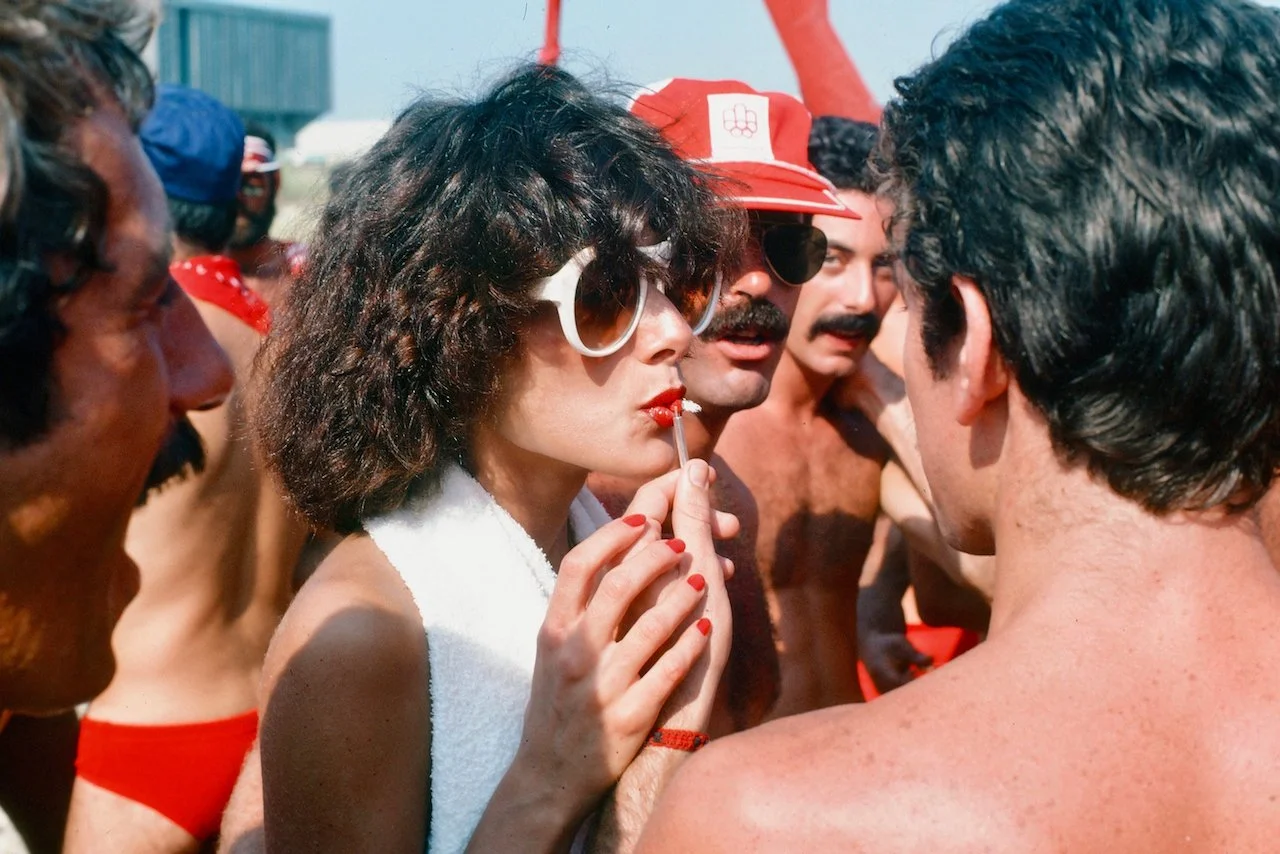
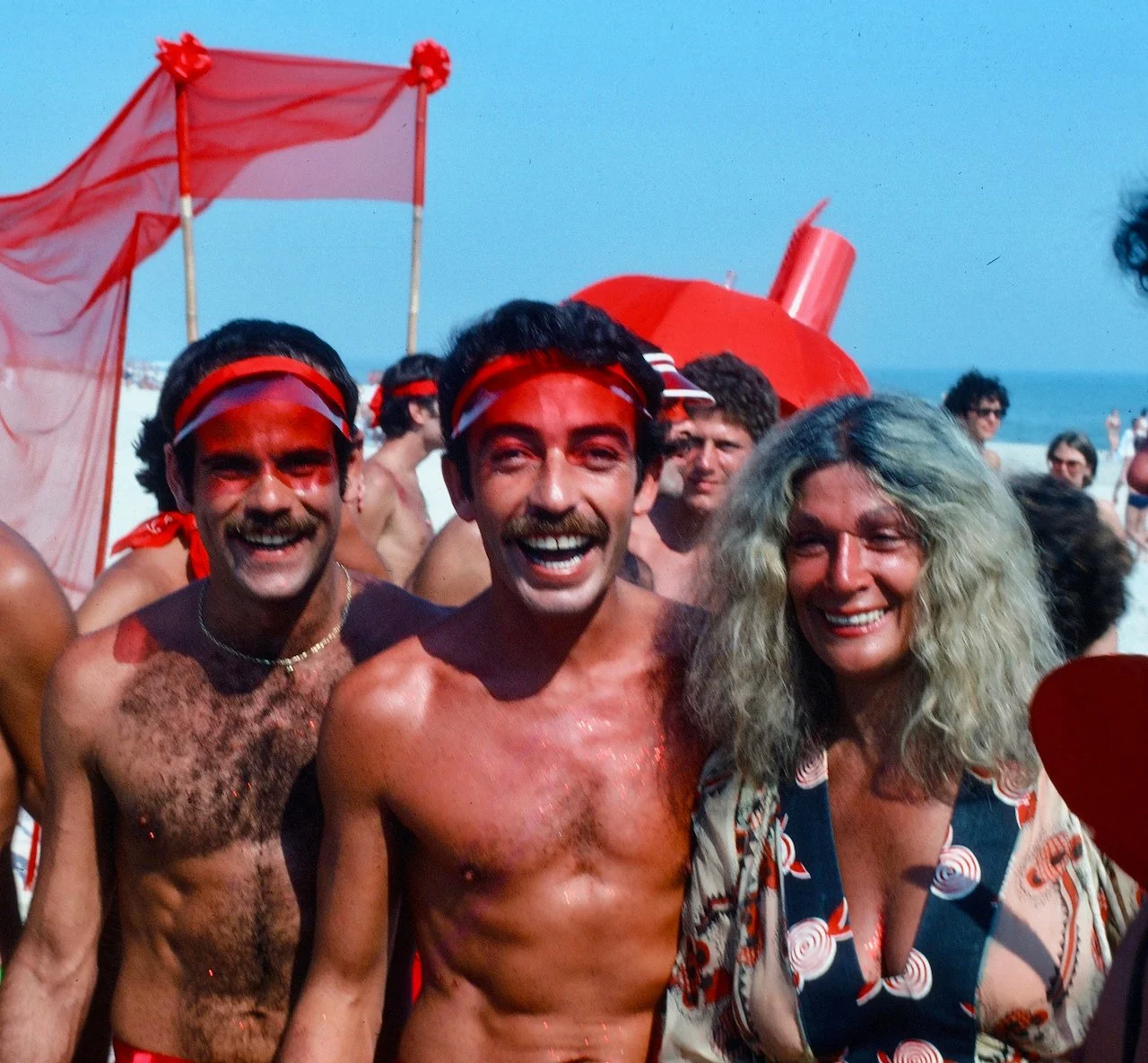
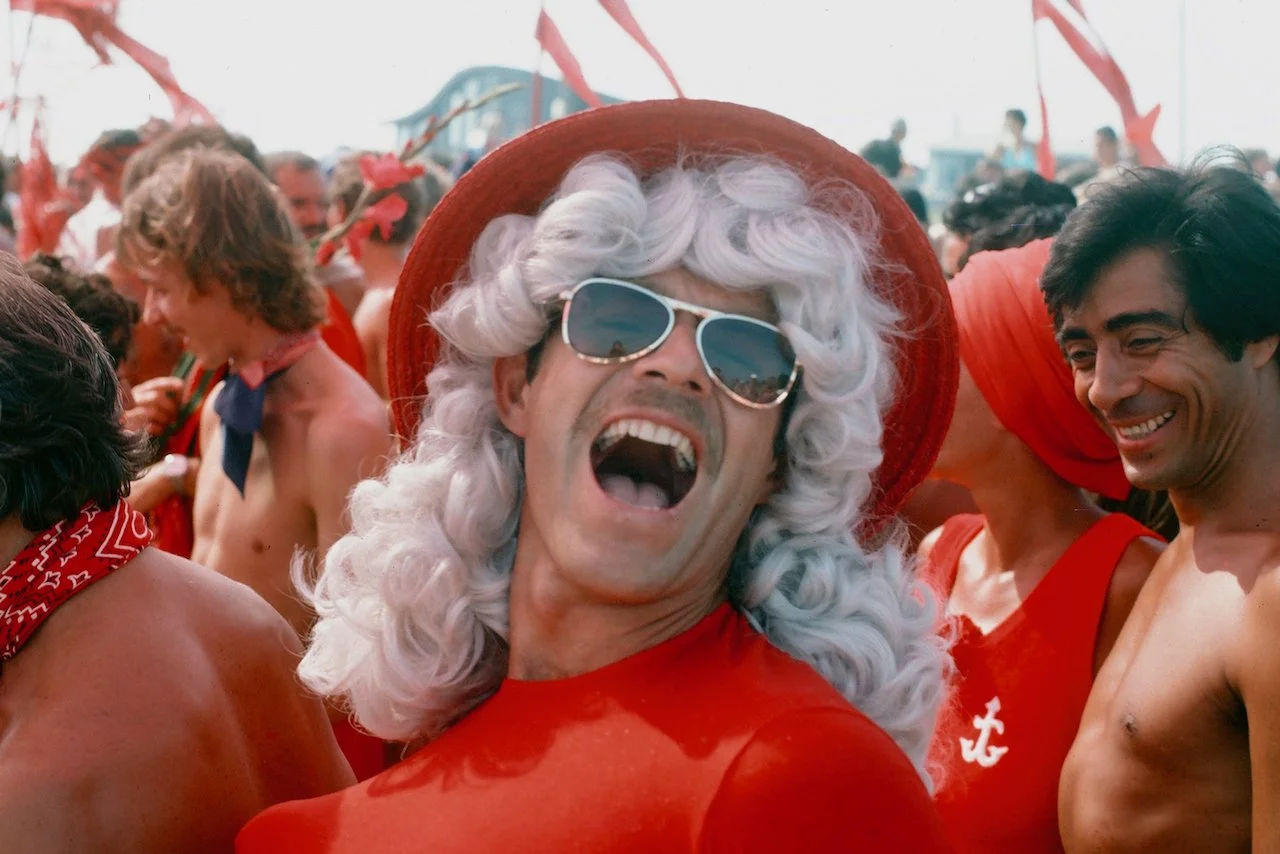
A “very visual event and everyone had a great time” sums up a lot about those Seventies Summers. Including the sun-soaked hours on the beach before everyone headed to the Blue Whale for Tea Dance.