

Pines Profile - Bill Katen (b.1937)
The Dean of Construction
By Virun Rampersad. August 2026
Fire Island Pines is renowned for its architecture. The names Horace Gifford, Scott Bromley, Nick Politis, Hal Hayes, Harry Bates and Earl Combs have become synonymous with some of the community's most celebrated houses. Their designs helped make the Pines an internationally recognized architectural destination.
But great architecture is only half the story.
Turning visionary drawings into homes capable of surviving shifting sands, salt air, hurricanes and the unique logistical challenges of an island without roads requires a different kind of talent. It requires a master builder. For more than sixty years, no one has done that better than Bill Katen.
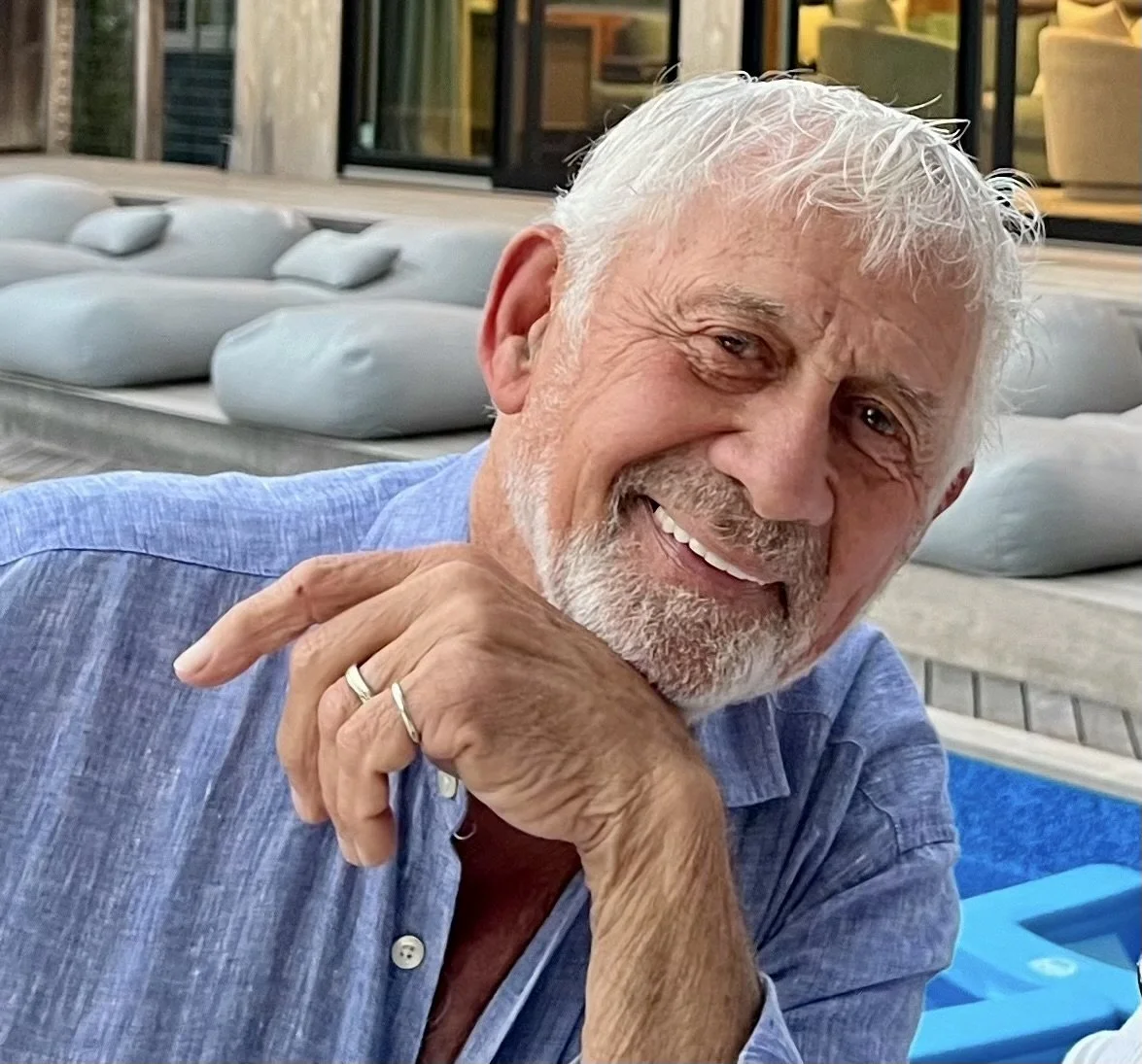
Bill Katen in Fire Island Pines in 2015. Photo courtesy Doreen Katen
From its earliest days Bill has helped shape not only the landscape of Fire Island Pines, but also the way generations of people have experienced it. A longtime resident, he understands that much of Pines life is centered in the houses. They’re places for forming friendships, entertaining, and ultimately putting down roots. For that reason, his work has never simply been about building houses. It has been about creating the places where Pines life can flourish.
Born in Rockaway Beach in 1937, Bill grew up on Long Island with two sisters and a brother. His father drove a truck, and his mother was a nurse. After graduating from high school in 1956, he went to work in a hardware store, where he met local contractors and discovered he had little interest in spending his life indoors. Determined to get outside, he convinced one contractor to give him a chance and quickly discovered he had found his calling as a builder. This was no surprise to his friends and family – since high school his love of carpentry was obvious, earning him the nickname "Termite Willie."
Bill came to Fire Island early. As a teenager, he and his friends built a rustic cabin in Skunk Hollow, a place three miles east of Davis Park, where they spent weekends fishing, rabbit hunting, and enjoying the freedom of the island. Those experiences gave him an appreciation and love for Fire Island long before it became his career.
In 1959, Bill partnered with friend Jack Morgan and began building on Fire Island. His first major project was constructing the now-defunct Talisman Resort
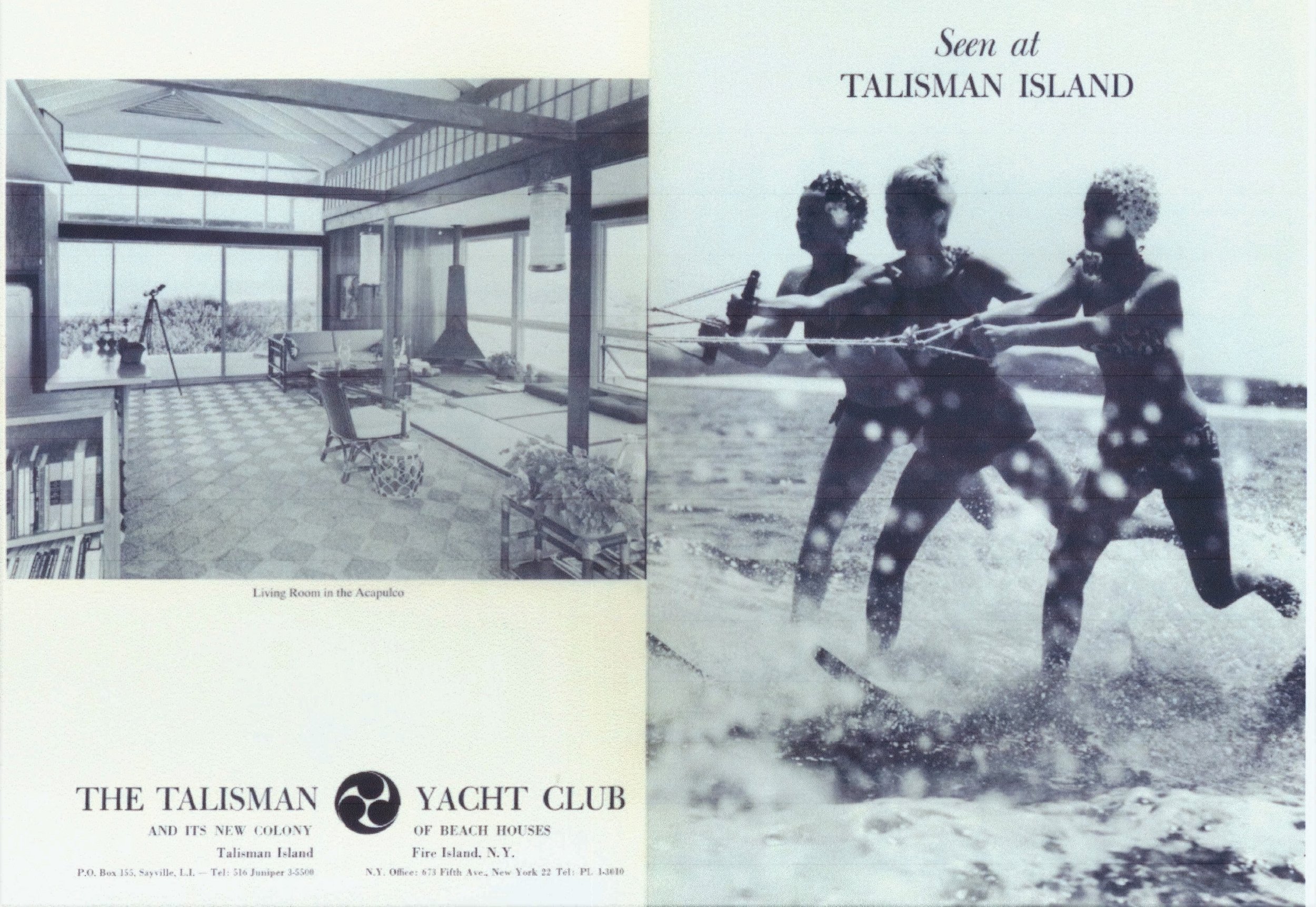
Advertisement for Talisman Resort. Photo credit unknown.
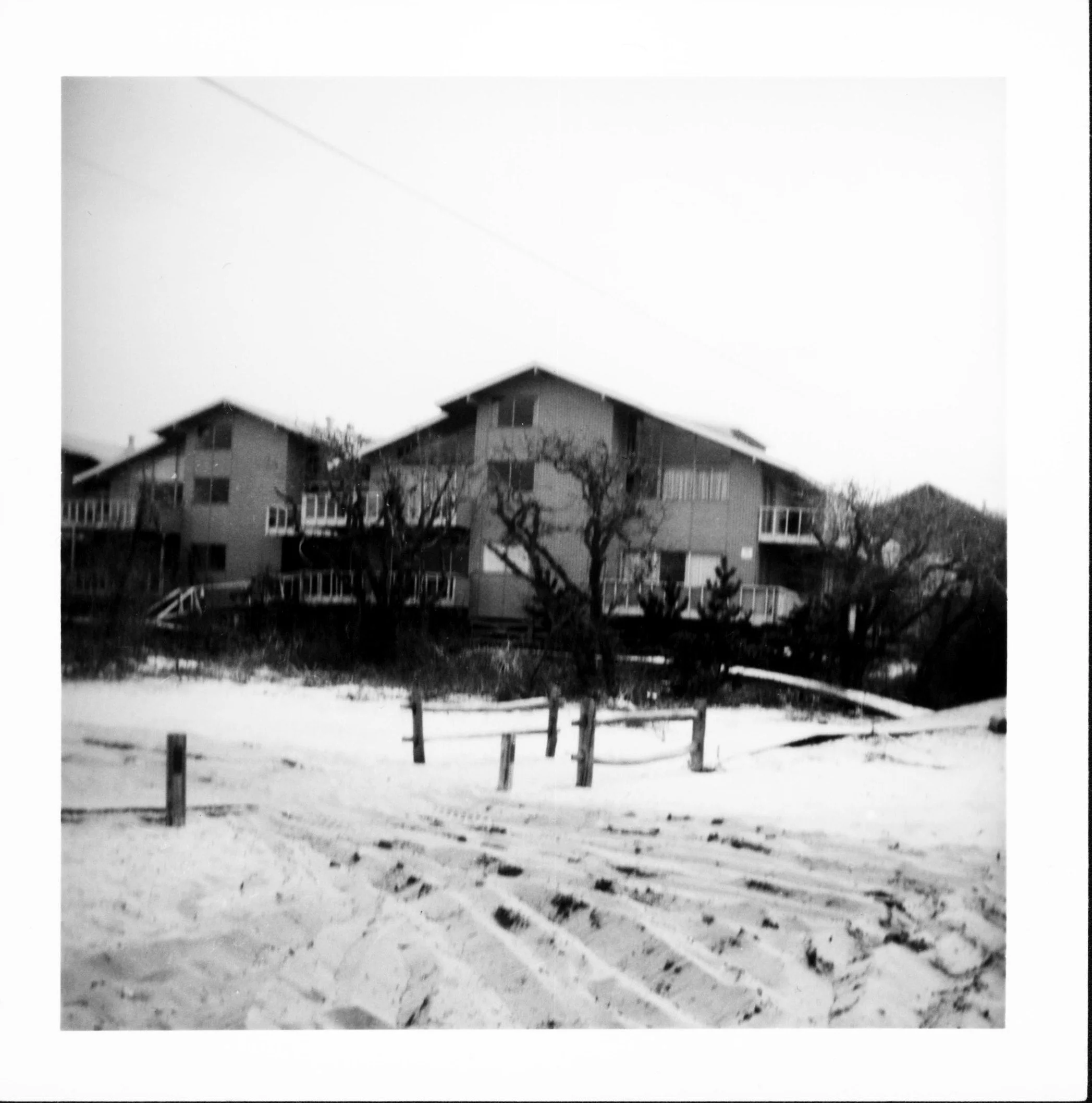
Soon afterward, contractor George Corwin – a man who would go on to be his father-in-law - hired him to install electricity in the Pines co-ops. It proved to be the beginning of one of the longest and most influential construction careers in Pines history.
Pines coops circa 1963. Photo credit unknown.
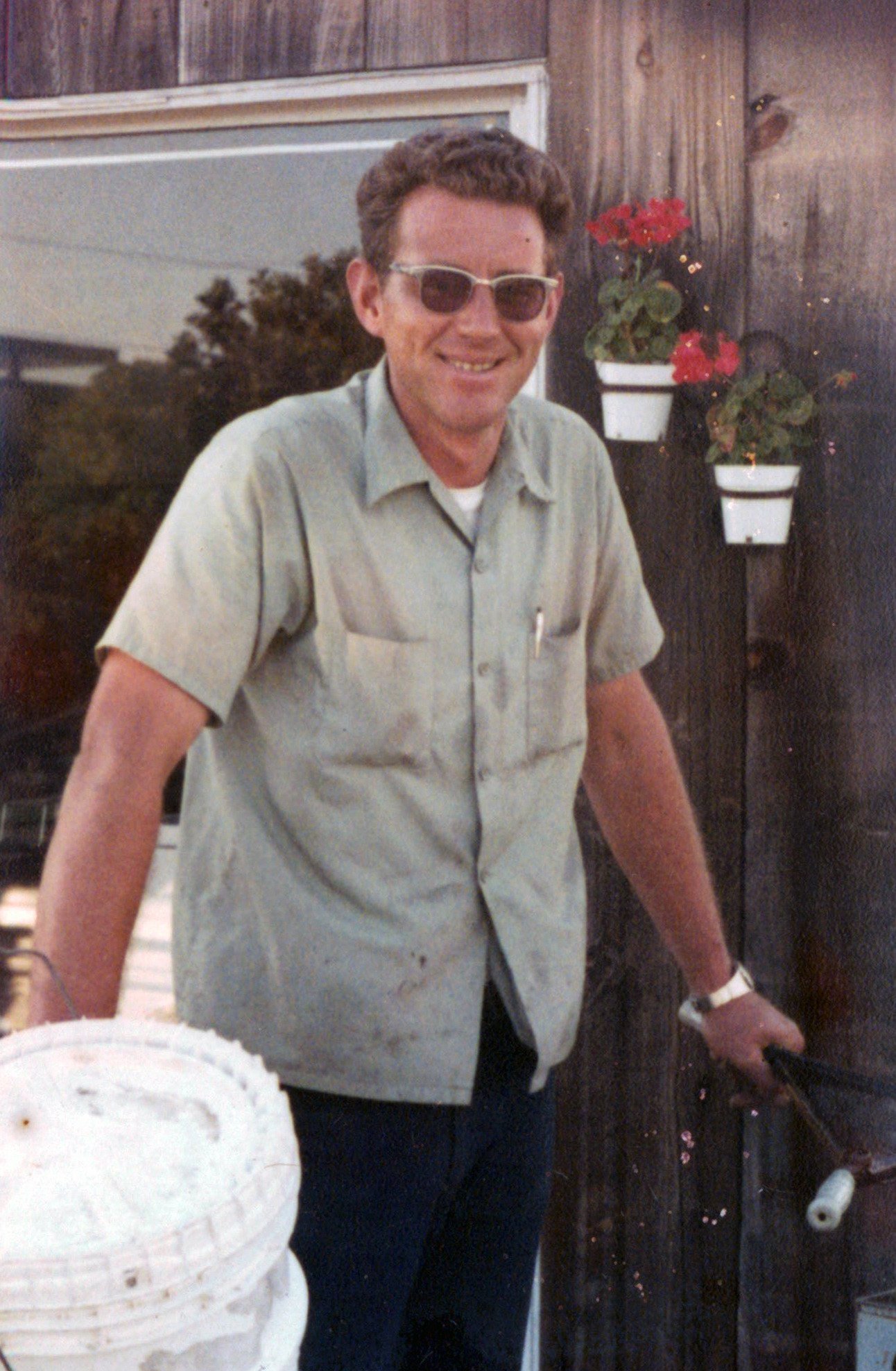
It did not take long for Bill's talent to attract the attention of Pines legend Clern LaFountaine. A member of one of the Pines' earliest families, Clern was a community leader who played a pivotal role in the development of Fire Island Pines. Sharp, exacting, and deeply committed to the community, he possessed a keen eye for talent and a deep appreciation for hard work.
Clern LaFountaine. Photo courtesy of Nicole LaFountaine
Under Clern's mentorship, Bill flourished. During the Pines' formative years, he designed and built more than thirteen homes. At the time, building regulations were minimal, giving talented builders extraordinary creative freedom. Bill prepared his own architectural drawings, wrote his own specifications, secured permits from the Town of Brookhaven, and supervised every phase of construction. Decades before the term "design-build" entered the architectural lexicon, Bill was already practicing it—combining the vision of an architect with the craftsmanship and discipline of a master builder.
Building in the Pines during the 1960s bore little resemblance to today. There were no freight docks. There were no heavy duty trucks or electric carts. The pylons on which homes were set were not pressure treated telephone poles, but massive locust posts that were harvested on Long Island's North Shore and transported by boat into Pines Harbor. From there they were hauled by hand to construction sites and driven deep into the sand with sledgehammers.
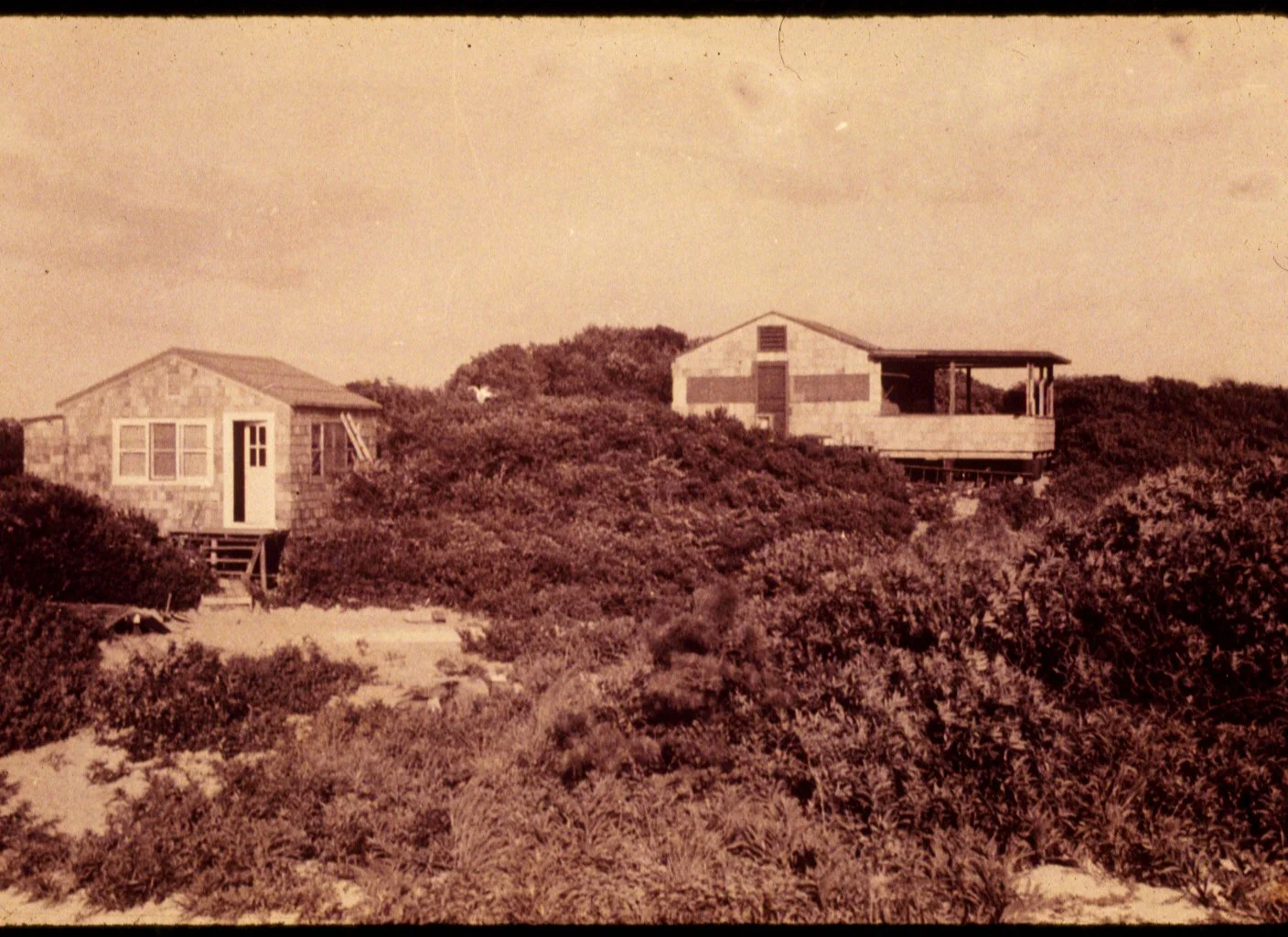
In the early years, Pines life was lived outdoors, and so houses were simple structures, typically one or two bedrooms with modest interiors and generous outdoor decks.
Pines Houses in the early 1960s. Photo credit unknown,
Over time – and especially after Stonewall -- this changed. The rustic beach cottages gave way to more sophisticated structures demanded by a new generation of homeowners, particularly affluent New Yorkers, prominent professionals, and celebrities. These newcomers wanted larger houses with swimming pools, and modern conveniences.

Architects from both the Pines and Manhattan responded to the emerging demand of new Pines homeowners. Soon the designs became more complex and ambitious.
Lipkins House in the 1970 designed by Horace Gifford. Photo credit unknown.
However, with this shift came two problems. First, it made construction considerably more complicated. Second, some of the designs, especially from architects who were unfamiliar with Fire Island, were incompatible with life on a barrier island. While many contractors struggled with the change, Bill embraced the challenge. Soon he was building houses on a scale never seen before in the community. However, he knew where to draw the line. When an architect called for something that was fragile, unsafe or cost prohibitive he did not hesitate to speak his truth. This made him unpopular with some, but he never backed down.
For the most part – and certainly among the architects who understood the Pines like Horace Gifford, Scott Bromley, Nick Politis and Tad Paul - Bill’s skills, insights and candor made him a preferred provider. In him they saw a partner who could make their architectural vision a durable reality. They appreciated his expertise in dealing with the challenges of a barrier island and knew that he would look at everything, from the foundation to the roof, and ensure the house was built to last. While it sometimes meant building costs were higher, they knew over the long term it was in the best interests of their clients.

Architect Nick Politis had this to say:
"Bill is the ultimate professional, impeccable craftsmanship and genuinely one of the nicest people to work with!"
Nick Politis. Photo courtesy of Richard Des Jardins.
Scott Bromley agreed: “I’ve done many houses with him and I simply love him!”
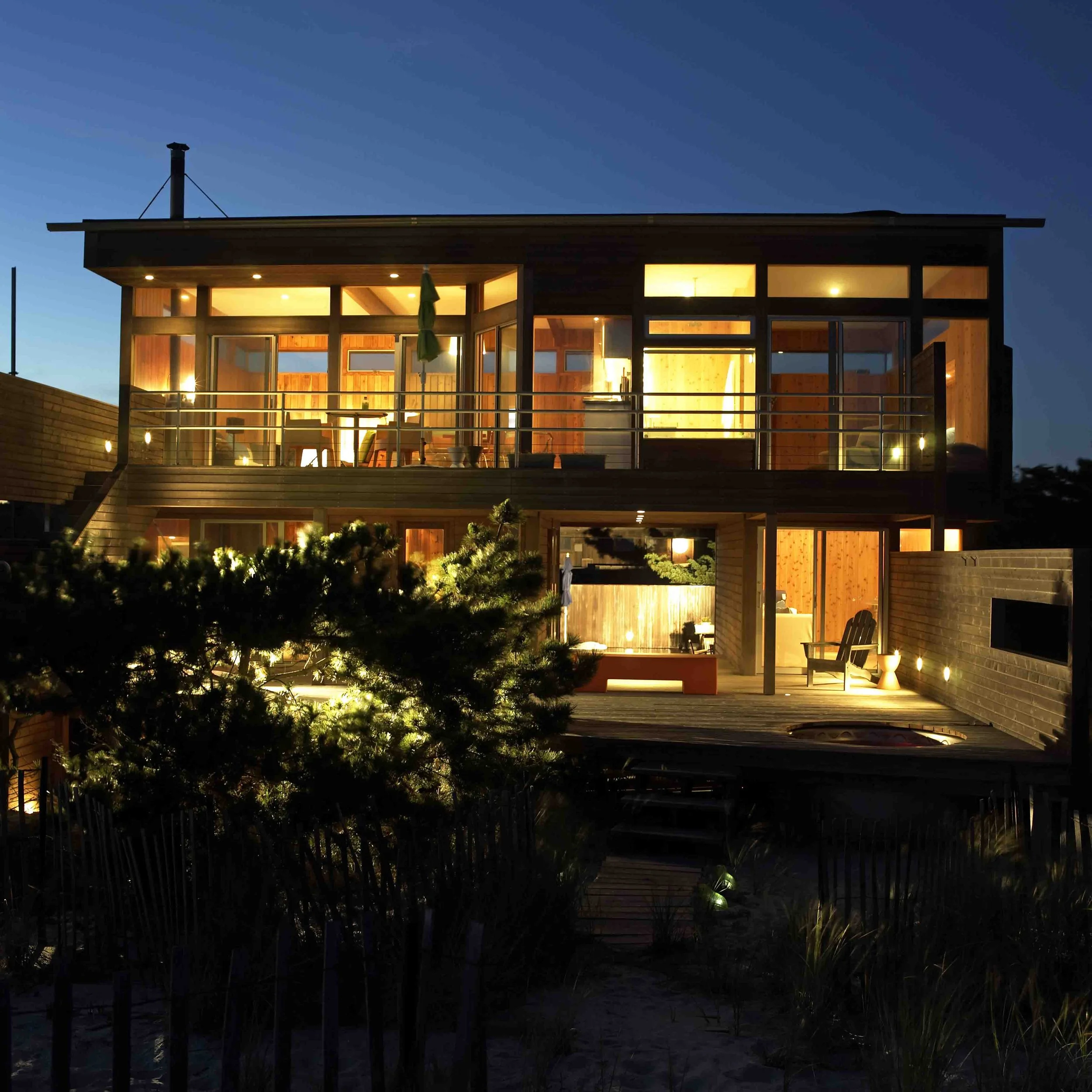
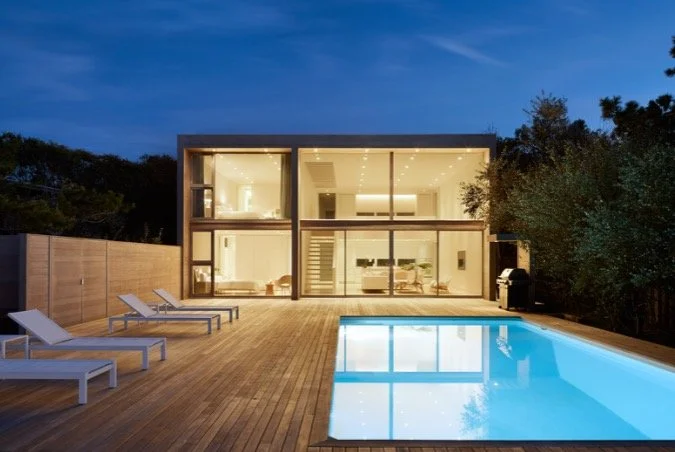
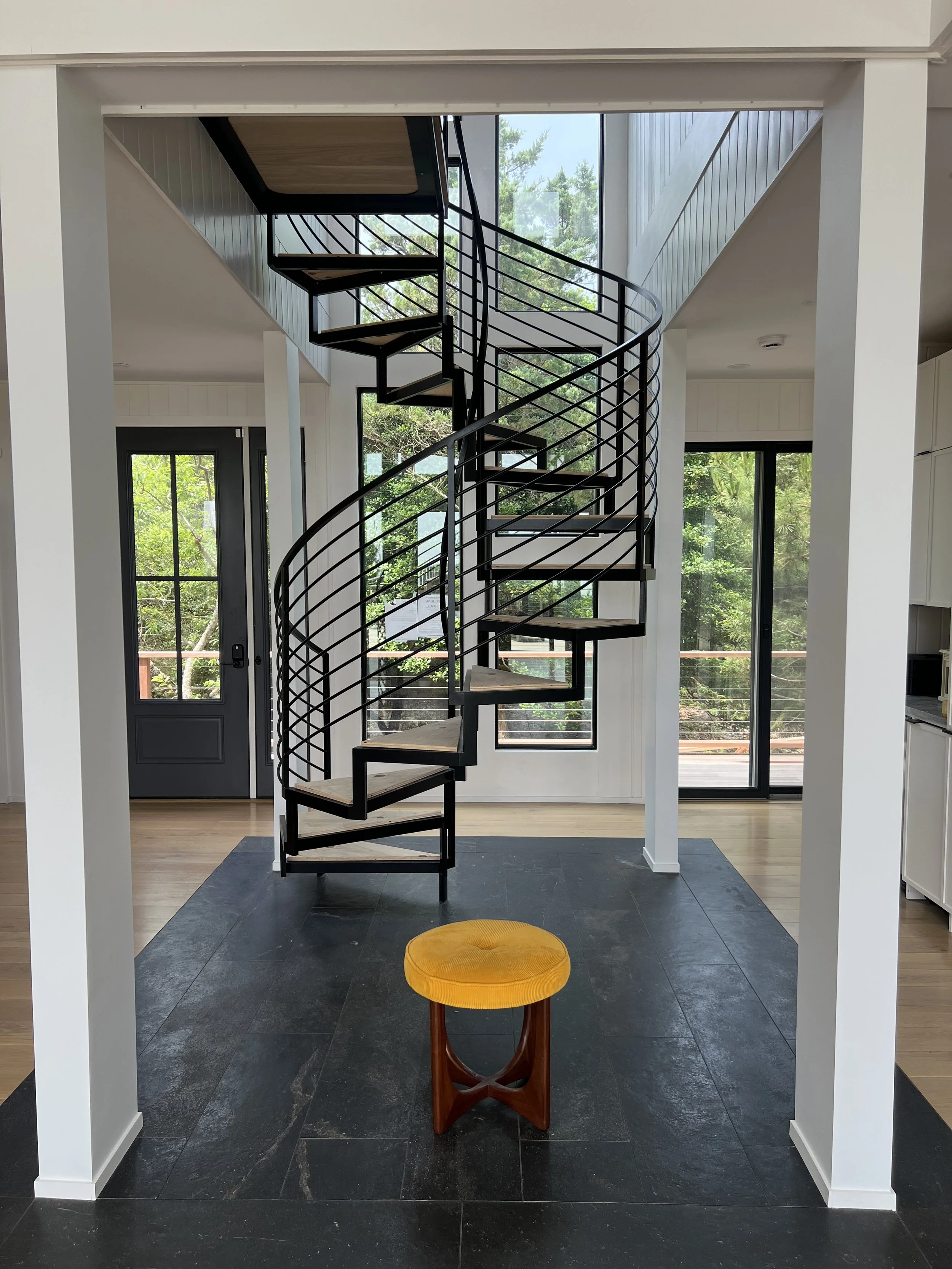
Katen-Bromley collaborations in the Pines (T-B): 2 Ocean Walk, 249 Bay Walk, and 559 Ocean Walk. Photos courtesy of Scott Bromley.
Of all the houses Bill has built or renovated three are particularly special to him.
Arthur Erickson's remarkable beachfront home, known affectionately as "Lincoln Center".
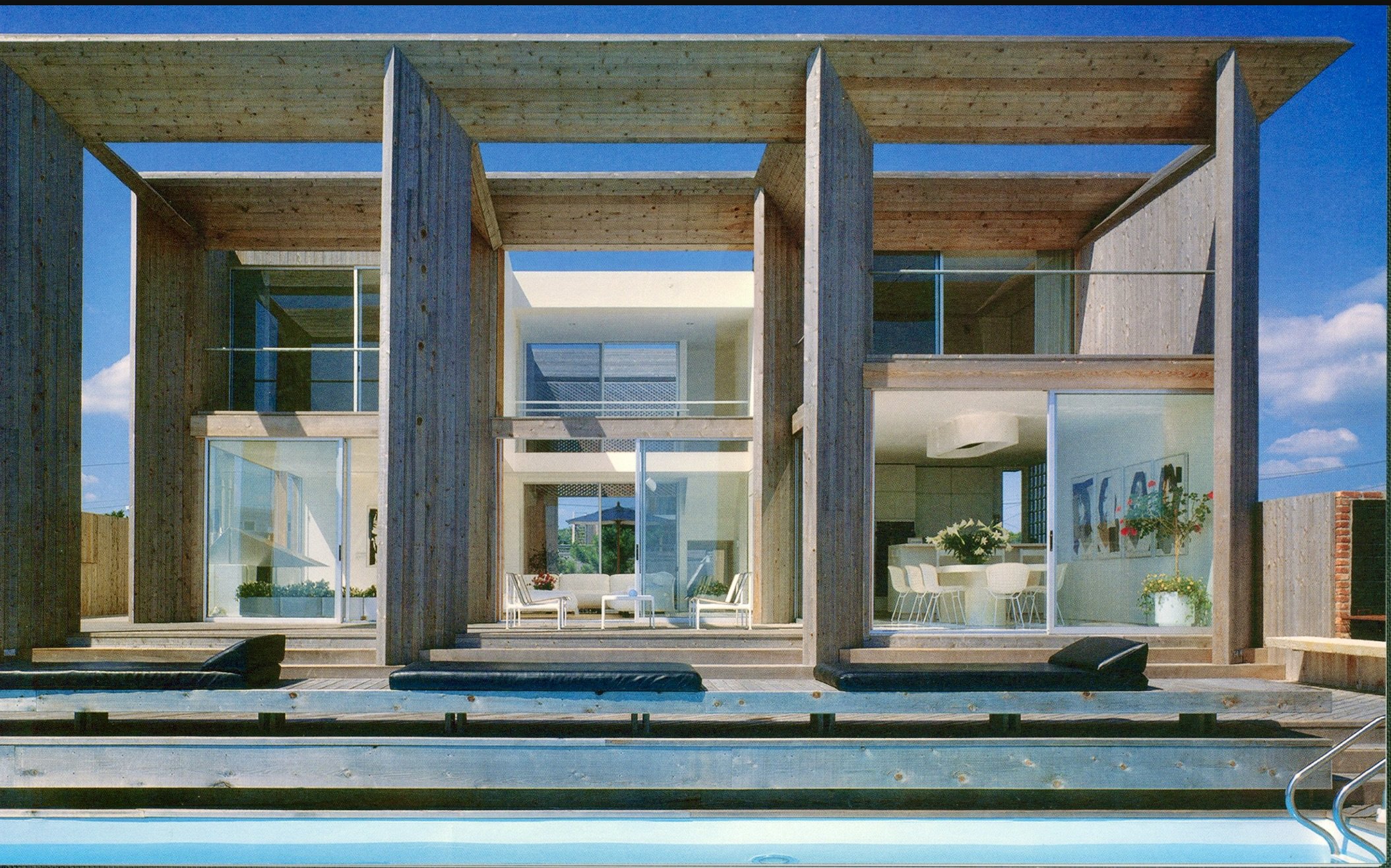
It featured an open design and a retractable roof unlike anything the Pines had seen before. The opening party featured Roberta Flack as the entertainment with the roof retracting at midnight to release silver and gold balloons into the night sky. Today, the house is now owned by legendary adult performer Robin Byrd. She, however, elected not to maintain the roof’s retractable feature.
Another is Valerian Rybar's spectacular bayfront residence on Beach Hill, later owned by Broadway legend Jerry Herman and now known as Pines Club.
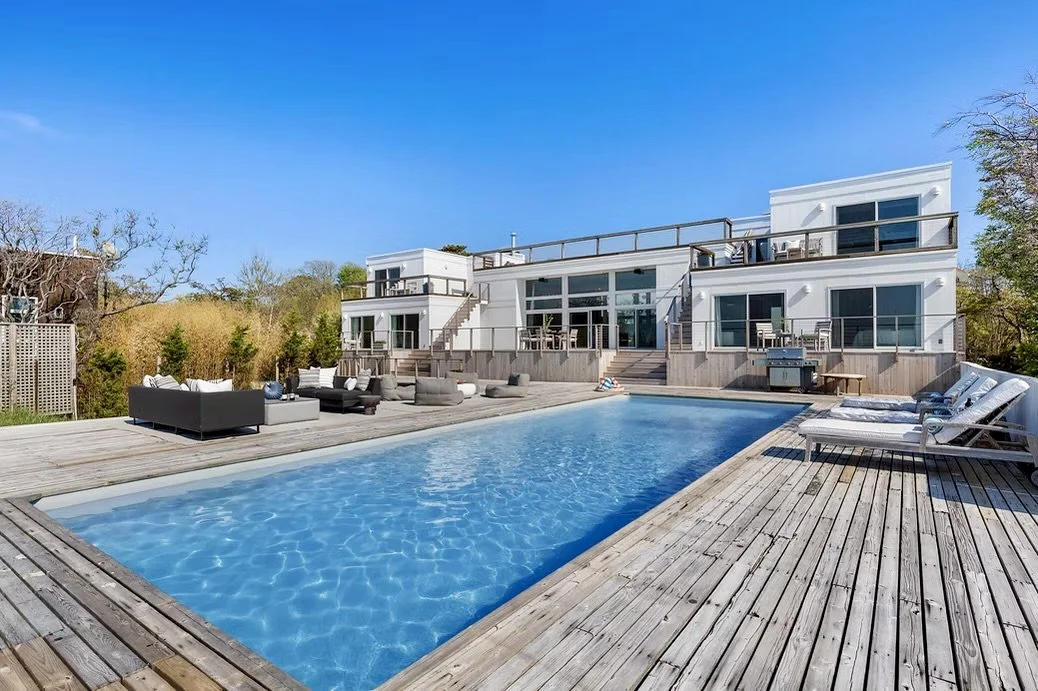
Pines Club. Photo courtesy of Pines Club.
A masterpiece that combined luxury with an atmosphere, today it one of the social centers of the Pines, hosting many large parties and the legendary Fire Island Dance Festival. In Bill’s own words this house is simply magical.
But the one he is most wistful about is Mel Fante's home at 616 Shore. It remains among his favorite accomplishments. Simple, elegant and quintessential Pines, Bill calls it “a classic”.
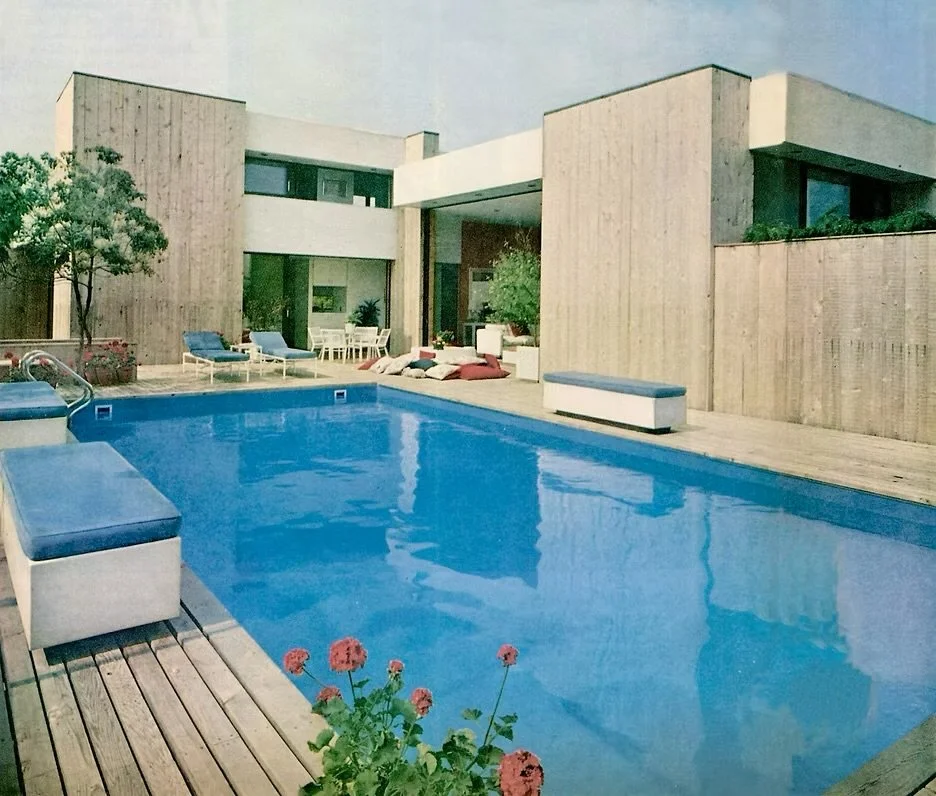
616 Shore Walk. Photo credit unknown.
Bill attributes his success to a philosophy formed early and never abandoned: stand behind your work; remember that construction is ultimately a service business; keep a great crew; be a part of the community and be sure to give back; and, above all, never cut corners.
Bill learned early that the hardest job was often saying "no." If a client's budget could not support building the house properly, Bill preferred to decline the project rather than compromise the finished product. He knew shortcuts eventually reveal themselves, and that the person who ultimately pays the price is the homeowner. For this reason, Bill has sometimes been underbid, but he remains undaunted.
“I love designing and building houses that last and deliver value for their residents. I will not cut corners to make the costs work. If I lose deals because of this, so be it. My houses are my legacy, and I will never compromise that.”
It is telling that after more than sixty years in business, Bill has never been sued. His approach – his integrity -- has earned extraordinary respect throughout the community.
Longtime homeowners Stephen Foster and Russell Saray reflected on decades of working with Bill:

“Bill is one of the most talented builders we have ever had the privilege of working with. He is exceptionally smart, skilled, kind, and honest. He built our house in the early 1970s and completely renovated it in 2009. Even decades later, he can locate every hidden beam with nothing more than the tap of his hand. That extraordinary knowledge of the house—earned through years of craftsmanship and experience—is simply invaluable."
Steve Foster and Russell Saray. Photo courtesy of Russell Saray.
Brent Barton, owner of the legendary beachfront house Morningside that featured in Tom Bianchi’s iconic book Fire Island Pines: Polaroids, 1975-1983, described Bill's work this way:
"Bill transformed Morningside. He was a joy to work with, and the quality of his work is outstanding. He built a home that is solid, comfortable, and an absolute dream to live in. We've had hundreds of people here—dancing on the roof, the upstairs balcony, throughout the living room, and around the pool—and never once worried about the house. That's a testament to Bill's craftsmanship. He builds homes that don't just look beautiful; they let people fully enjoy the Pines lifestyle."
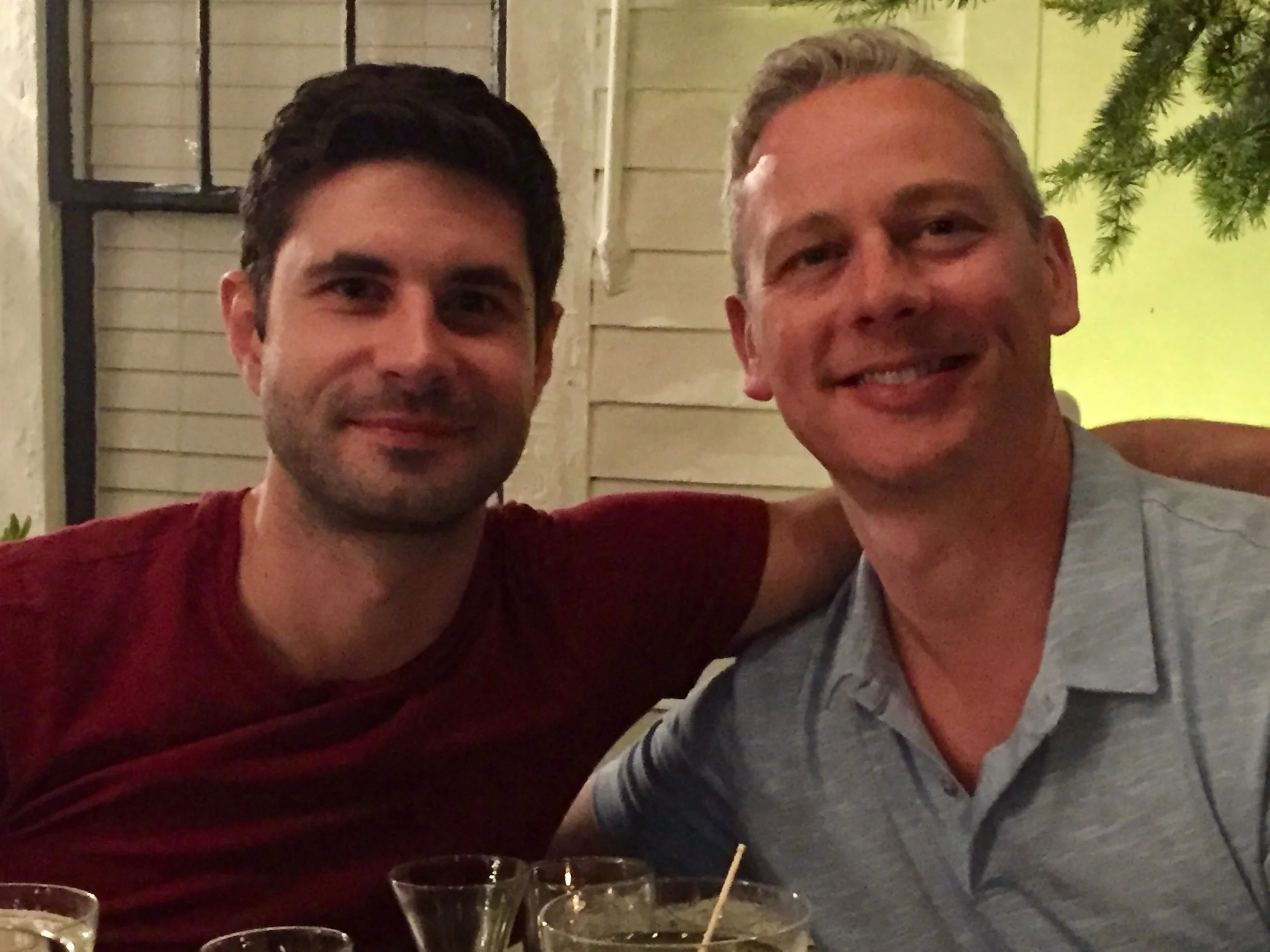
Nik Zradkov and Brent Barton. Photo courtesy of Virun Rampersad
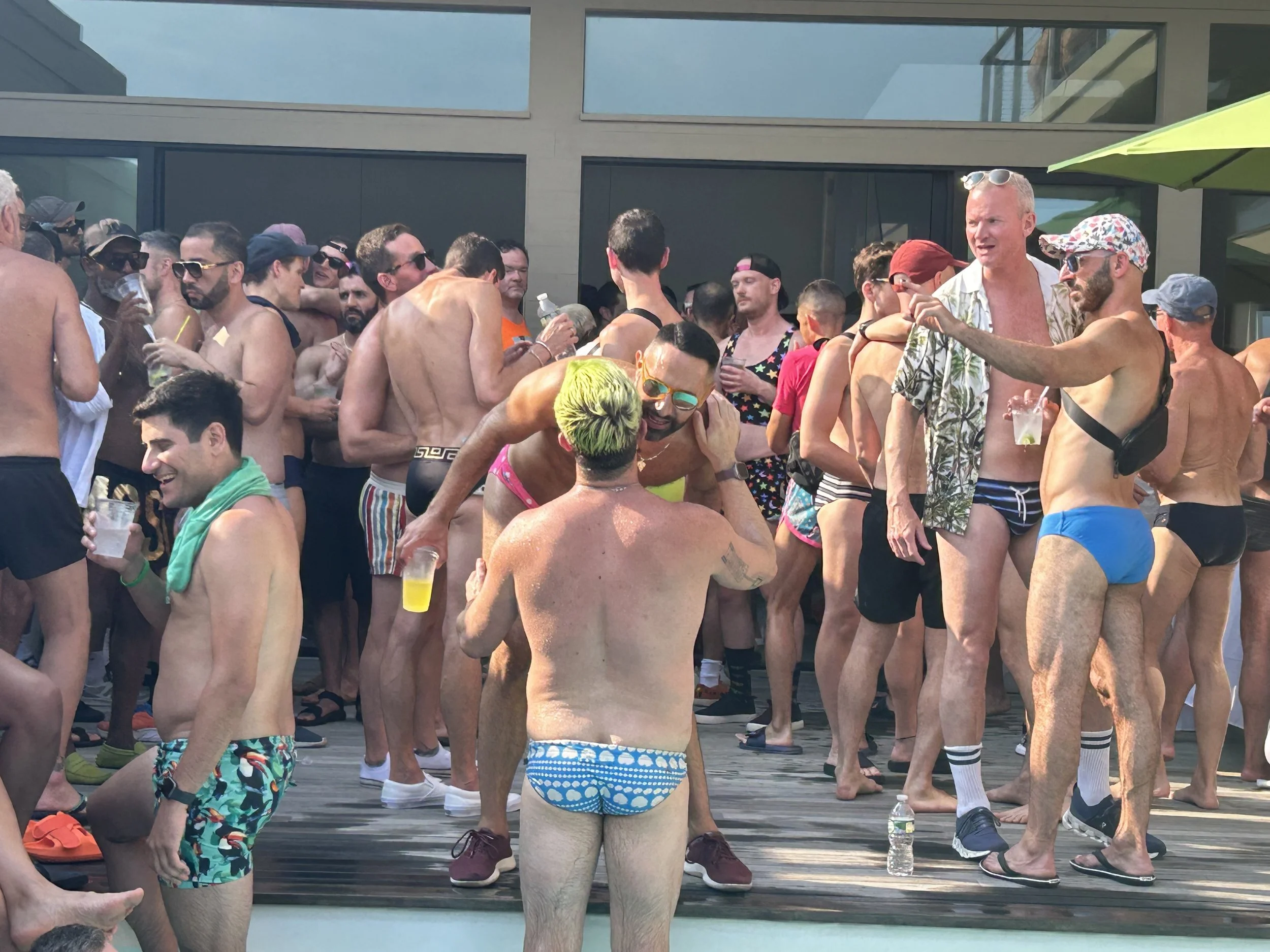



Summer parties at Morningside post renovation. Photos courtesy of Virun Rampersad.
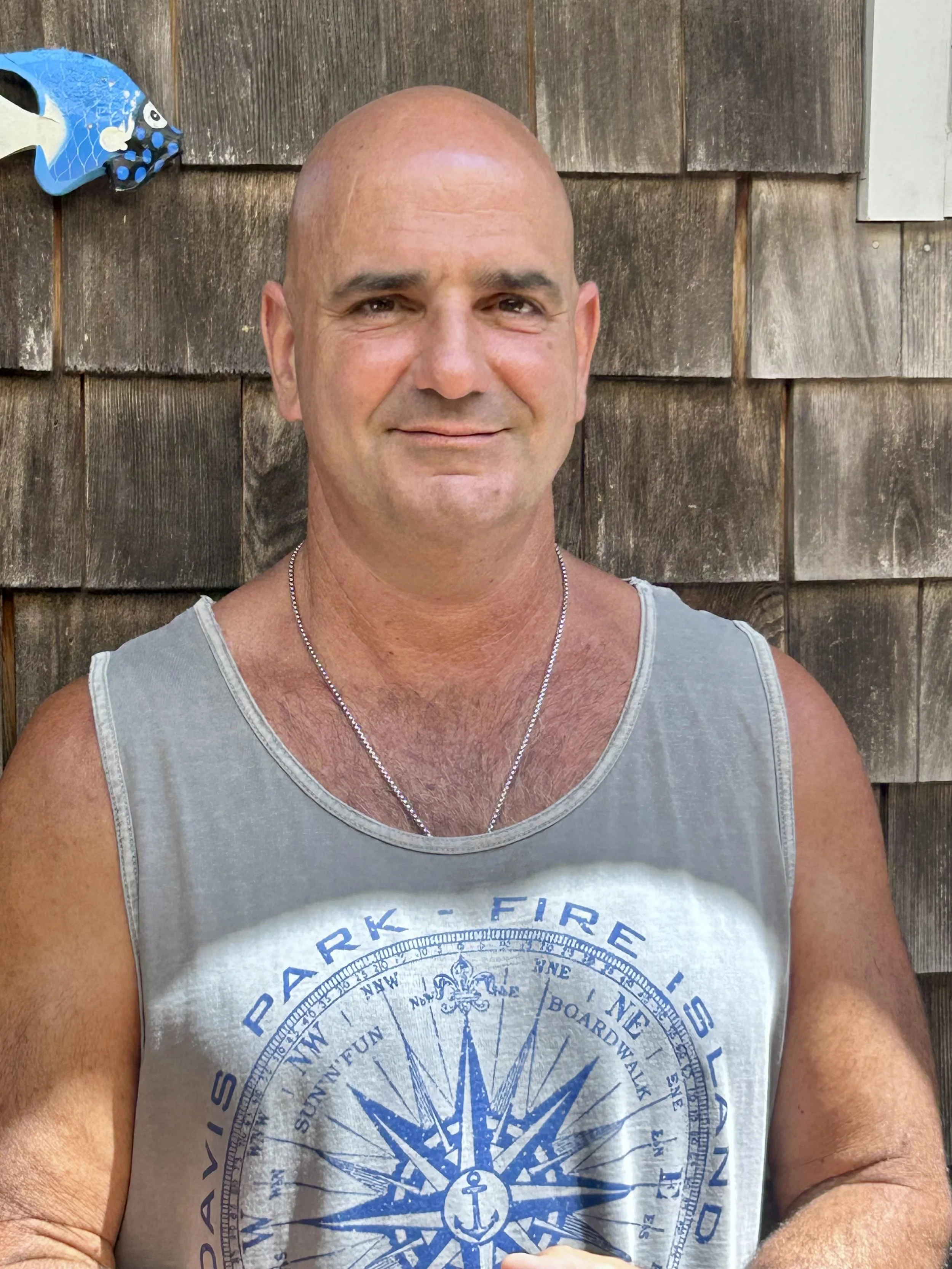
Perhaps the highest compliment comes from his fellow builders. Although competitors, virtually all respect his work. Pines contractor Matt Swan perhaps summarizes Bill's contribution best:
"Bill Katen is the Dean of Construction in the Pines. He has built some of the finest homes in the community. He is an expert craftsman and an inspiration to others."
Matt Swan. Photo courtesy of Matt Swan.
It would be a mistake to believe Bill's contributions to the Pines are solely about the houses he builds. Bill is a Pines person first and foremost. It is his primary home, and he takes the risks of living and working one the barrier island in stride. Indeed, he bought his home on Ocean Walk after the original structure had been washed away in a hurricane and the owner had thrown in the towel. He loves the challenge of working in the Pines and solving problems that inevitably arise with every project.
Moreover, Bill embraces Pines culture fully and has always given generously to help strengthen it. In 1979, he, along with other community contractors and workers, helped build the set for the legendary party Beach alongside Scott Bromley, Ron Martin, Walter Reich, and Clern LaFountaine. Today, he attends virtually all charitable and civic functions, is a regular at Pines Party, and can be seen on the Blue Whale dance floor when his favorite DJ Robbie Leslie plays Tea Dance.
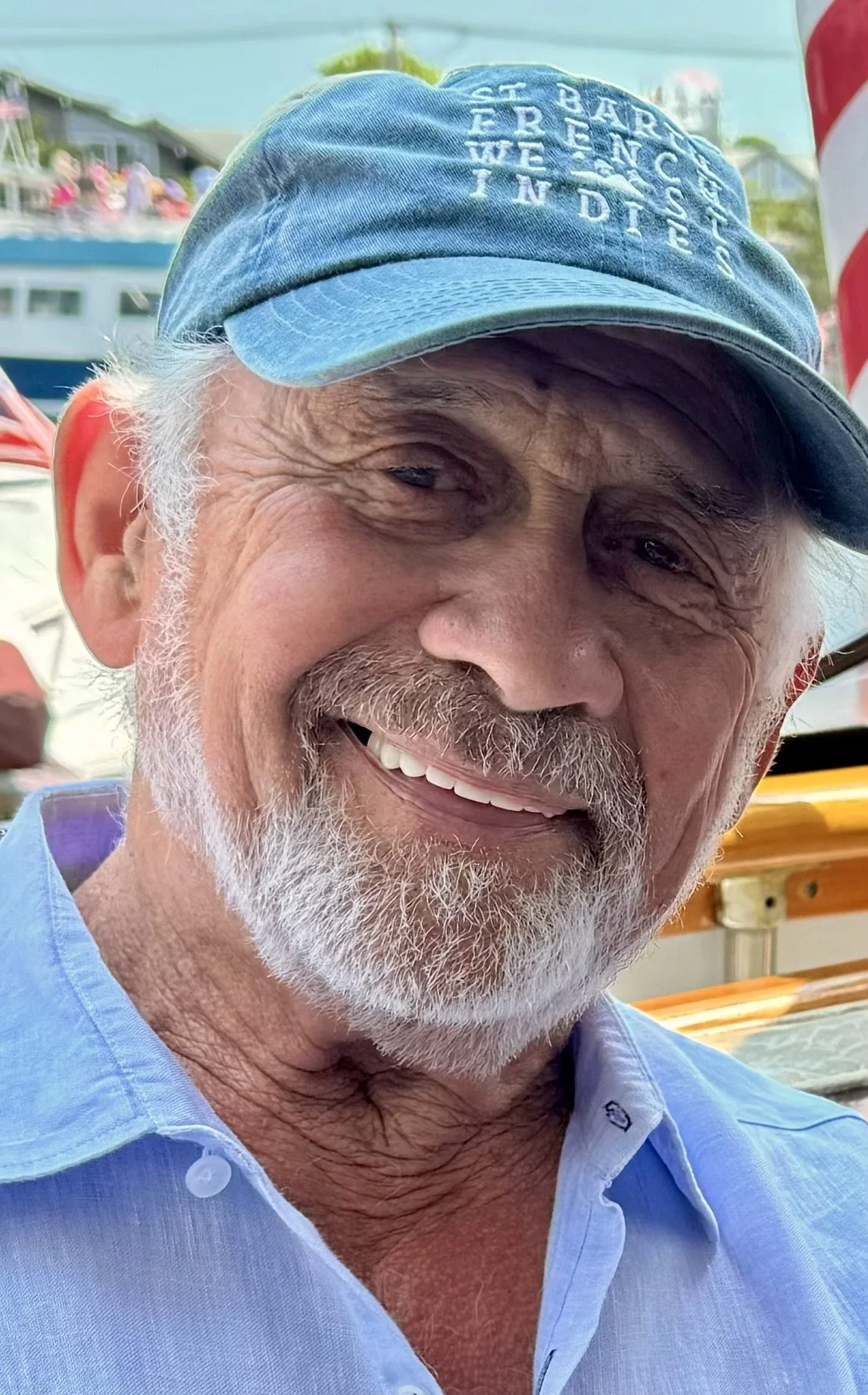
Bill’s success in a majority LGBTQ+ community reflects his philosophy: judge people by their character and talent, nothing else. That simple philosophy allowed him to form deep friendships across generations and backgrounds. Even during the darkest years of the AIDS epidemic, when fear and misinformation drove many people away, Bill never considered leaving. He continued showing up for friends, supporting benefits, attending Tea Dance and remaining an active part of the community because, in his mind, this was home.
Bill Katen circa 2015. Photo courtesy of Doreen Katen.
Alongside Bill's success stands another remarkable Pines figure: his wife, Doreen Katen.
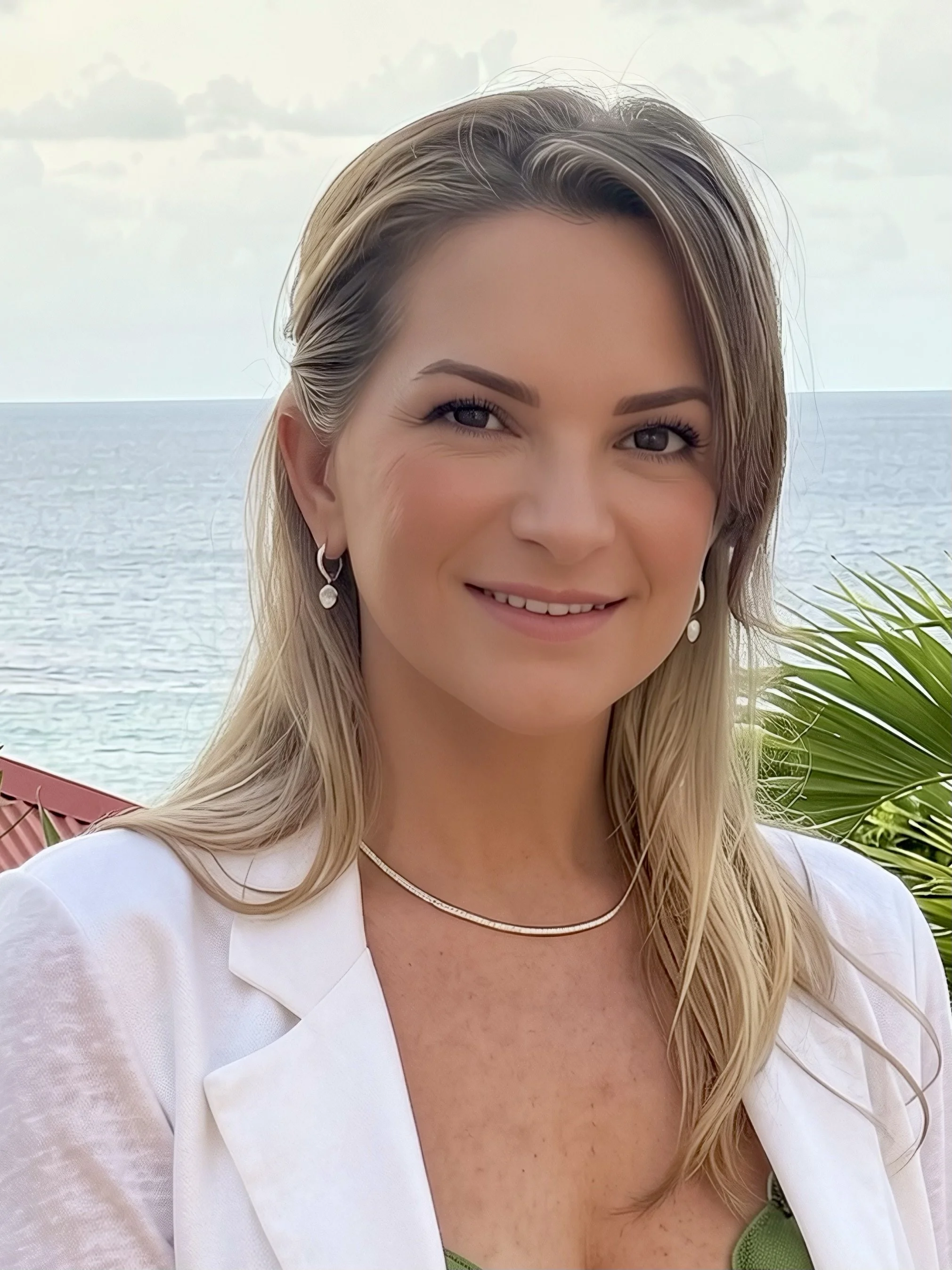
Doreen and Bill Katen. Photo courtesy of Doreen Katen
A highly respected businesswoman and one of Fire Island's leading real estate professionals, Doreen built one of the island's most successful firms, first in the Pines and later expanding into Cherry Grove. Equally important, she shares Bill's deep love for the community and commitment to its future. Together, they have become one of the Pines' most admired and respected couples.
Bill and Doreen’s relationship is one for the storybooks. Doreen is the stepdaughter of Bill's early boss, George Corwin, and grew up affectionately calling him "Uncle Willie." Years later, after both had gone through divorces, they found themselves working on Shady Walk in the Pines.
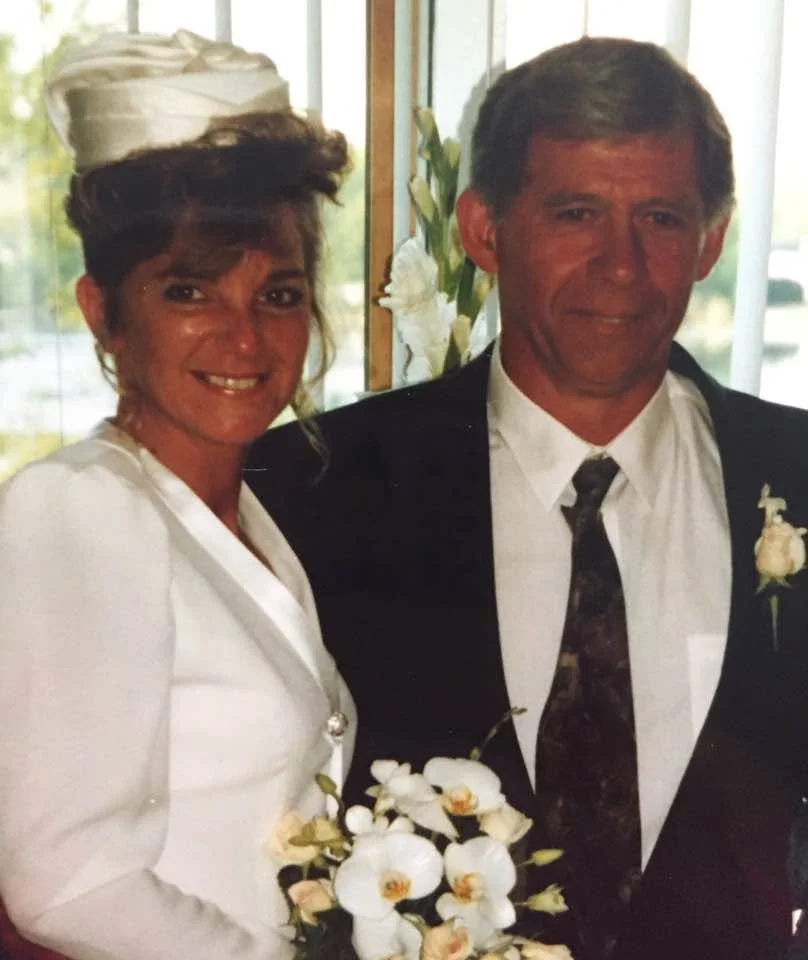
This time they saw each other differently. The twenty-one-year age difference faded into irrelevance, and their chemistry was obvious to everyone around them. They married in 1992 and have been partners in life ever since.
Wedding Day for Doreen and Bill Katen. Photo courtesy of Doreen Katen
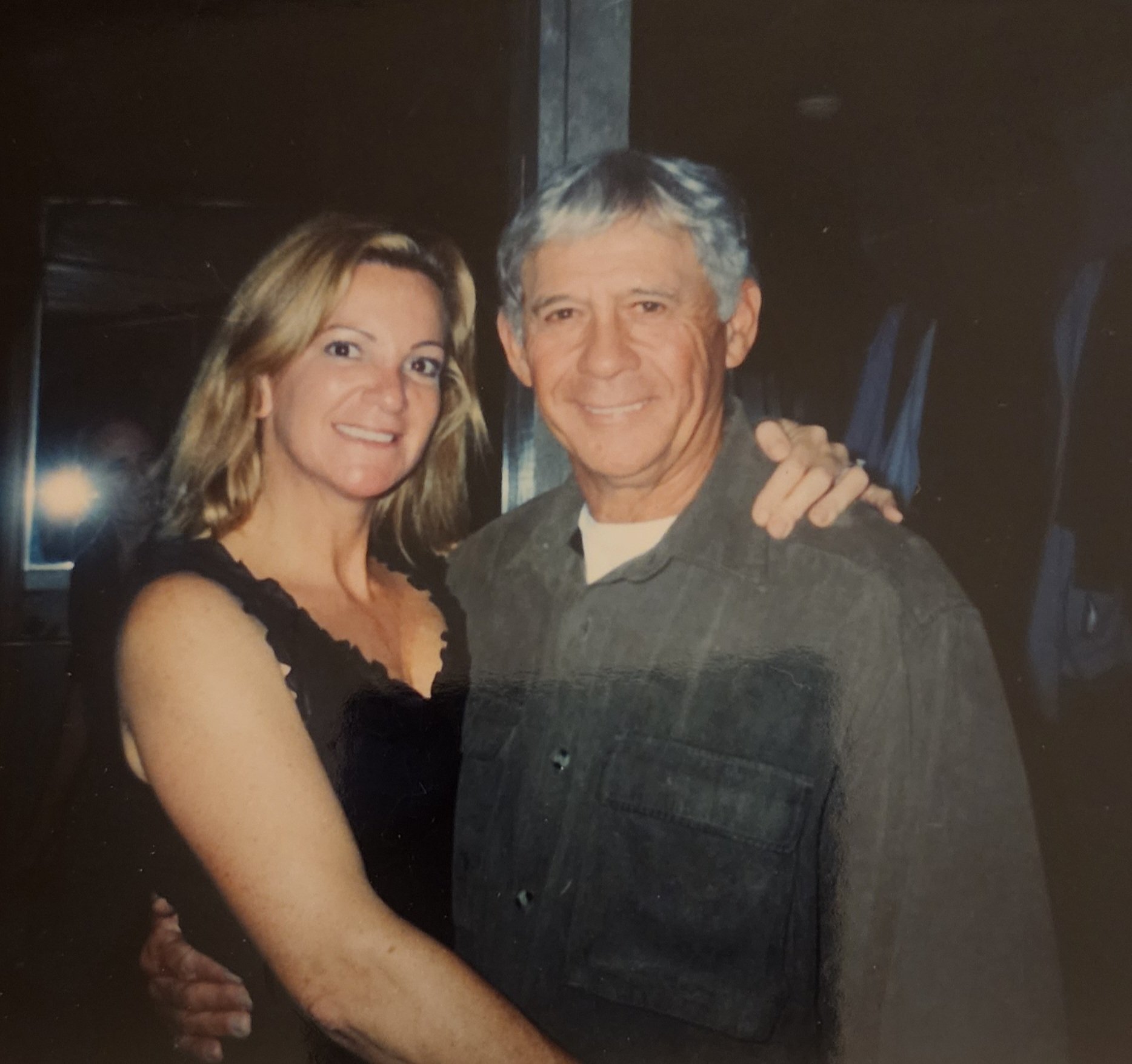
Although each built a successful business, they deliberately chose to keep their professional lives separate. This has allowed them to devote their time together not to work, but to each other and the community they both cherish.
Doreen and Bill Katen circa 2010. Photo courtesy of Doreen Katen.
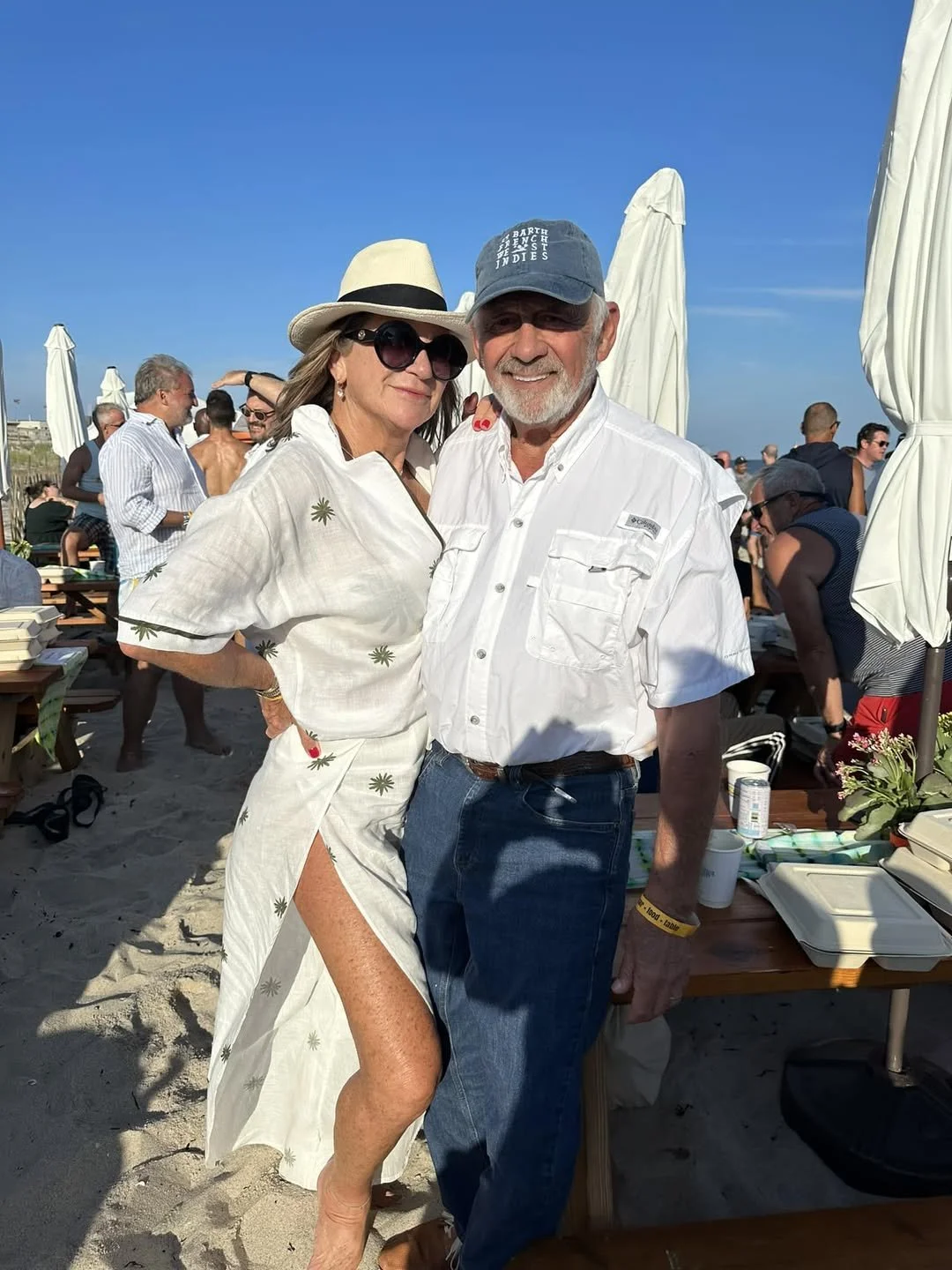
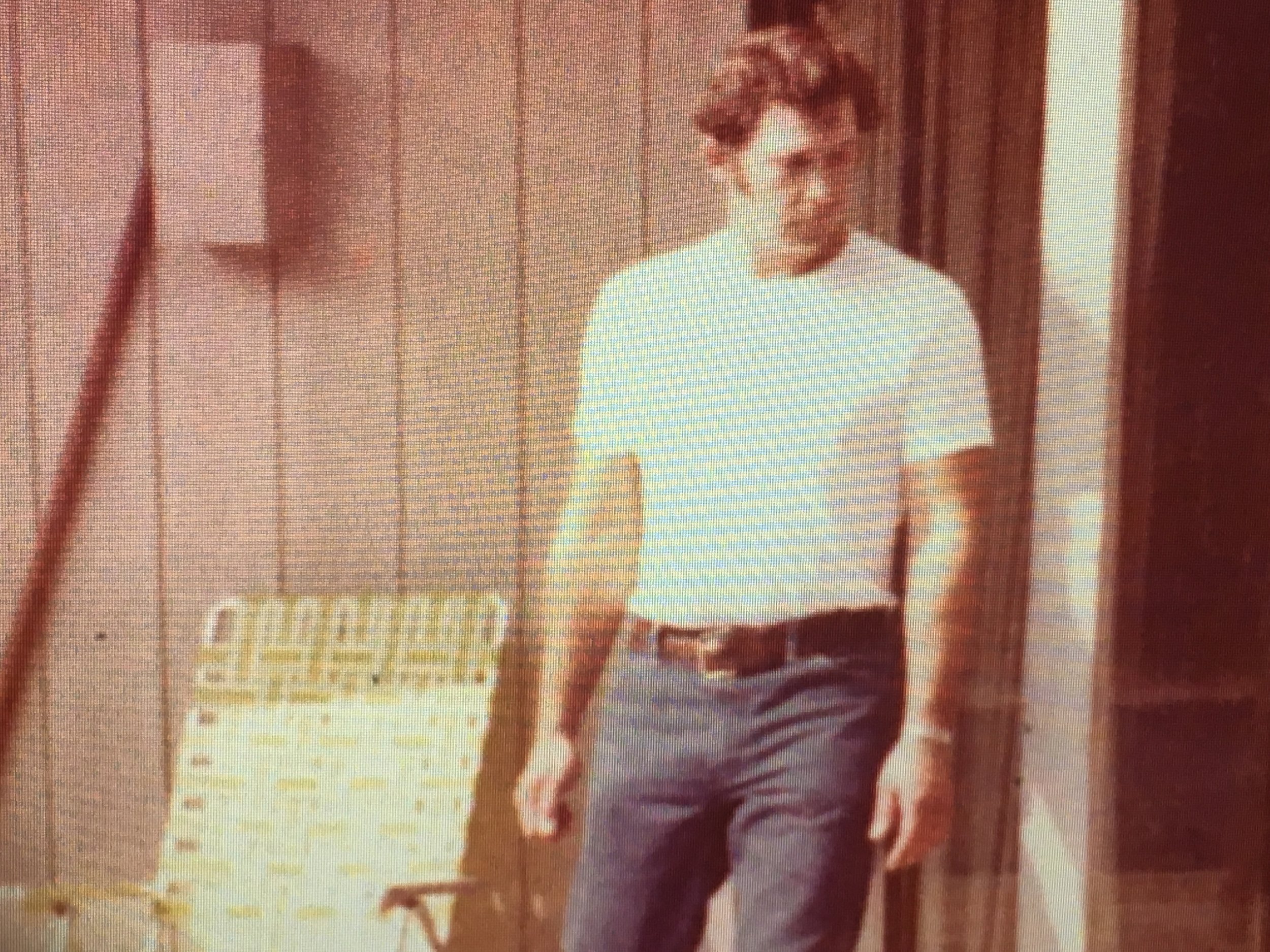

(L-R): Bill and Doreen at Pines 70th Anniversary Beach Party; Bill in the early years; Bill and Doreen with Scott Bromley and Tony Impavido in St. Barths; Bill doing what he loves best - working. Photos courtesy of Doreen Katen, Tony Impavido and Russell Saray.
Now approaching ninety, Bill has no intention of retiring, something Doreen supports. Both recognize the joy and meaning they both derive from their work and supporting the Pines community. As Doreen put it:
“The Pines is our home. We love being here. It’s where our friends are, our family comes often and we love being involved with all the community activities. And we really love working here. It’s what we’re meant to do. Why would we ever want to stop?”
Pines legend Jim Pepper once marveled at the extraordinary talent found in the community, noting that it extends not only to residents and visitors, but also to those who work here. Bill Katen surely stands among them.
For more than six decades, Bill has transformed architectural visions into homes that have helped define the character of Fire Island Pines. Many are now celebrated on architectural and walking tours, and admired as important examples of the community's remarkable design legacy. Through his work and his support of the community he has made the Pines a place where generations have gathered, formed friendships, celebrated, put down roots, and experienced its singular magic. It is fitting, then, that Bill Katen is known as "The Dean of Construction." He has spent a lifetime building amazing homes and along the way helped build a very special community.