

CoBE (est. 2020)
How the Committee on Black Equality (CoBE) was formed and its impact on Fire Island Pines.
By Virun Rampersad, January 2026
When George Floyd was murdered in Minnesota in 2020, waves of protests broke out across the country. In Fire Island Pines, Harry Hayes, Crayton Robey, and Iman La Caire were among their first to raise their voices. Soon after Victor Jeffreys II and Angelo DeSanto led a Black Lives Matter (BLM) march along the beach that culminated with the more than 300 participants taking a knee for 8 minutes and 46 seconds, the time associated with Floyd’s killing.
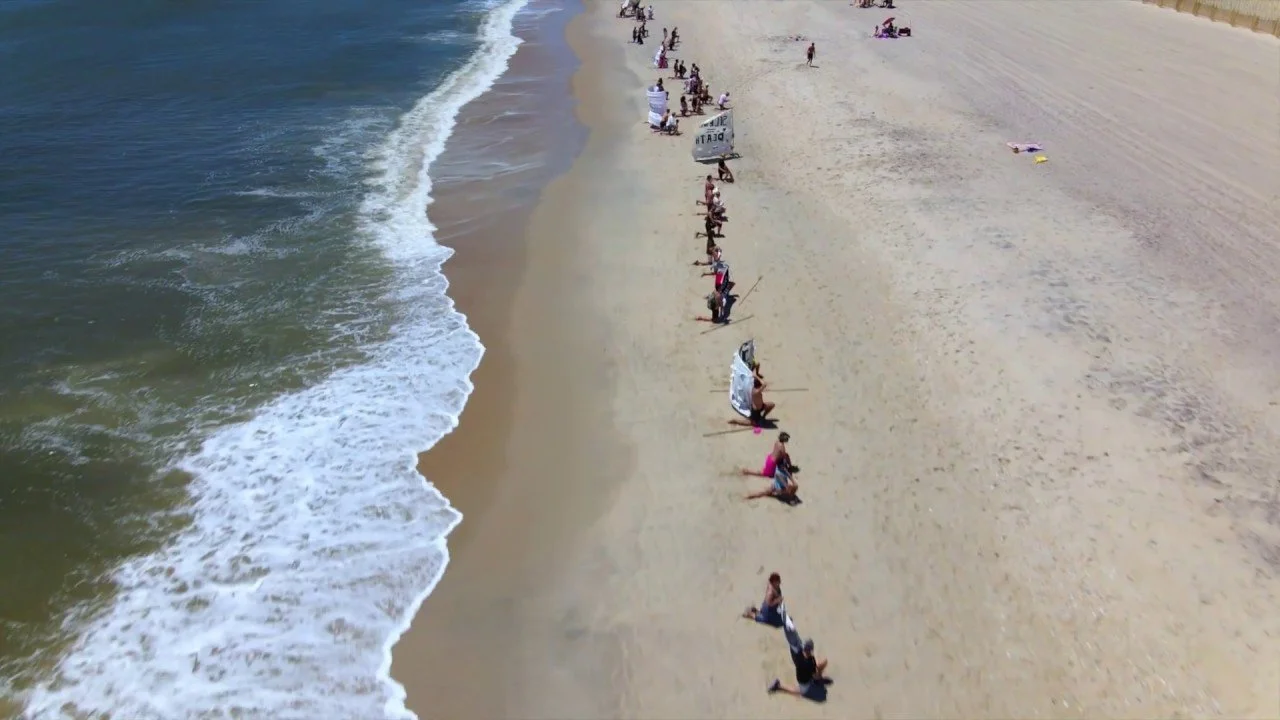
Black Lives Matter Protest in 2020 Held in Fire Island Pines and Cherry Grove. Photo credit: Business Insider.
It was a moment of reckoning across the nation and the world. And while the Pines had long been viewed as an oasis, it became clear that it too would have to confront the social and racial inequities the tragedy exposed within the community. As Crayton Robey sagely noted: “History is shaped not only by what we choose to remember but also by what we are willing to face.”
To help the Pines respond meaningfully, the Fire Island Pines Property Owners Association (FIPPOA) board created the Committee on Black Equality (CoBE). The committee’s early members included Henry Robin, Victor Jeffreys II, Doug Harris, Charles Montorio-Archer, Seneca Mudd, Angelo DeSanto, Harry Hayes, Crayton Robey, Sean Godfrey-Reives, and Tomik Dash
CoBE’s purpose was to explore ways the Pines could be more diverse and welcoming to people of color, particularly Black people, and to make recommendations to the FIPPOA board.
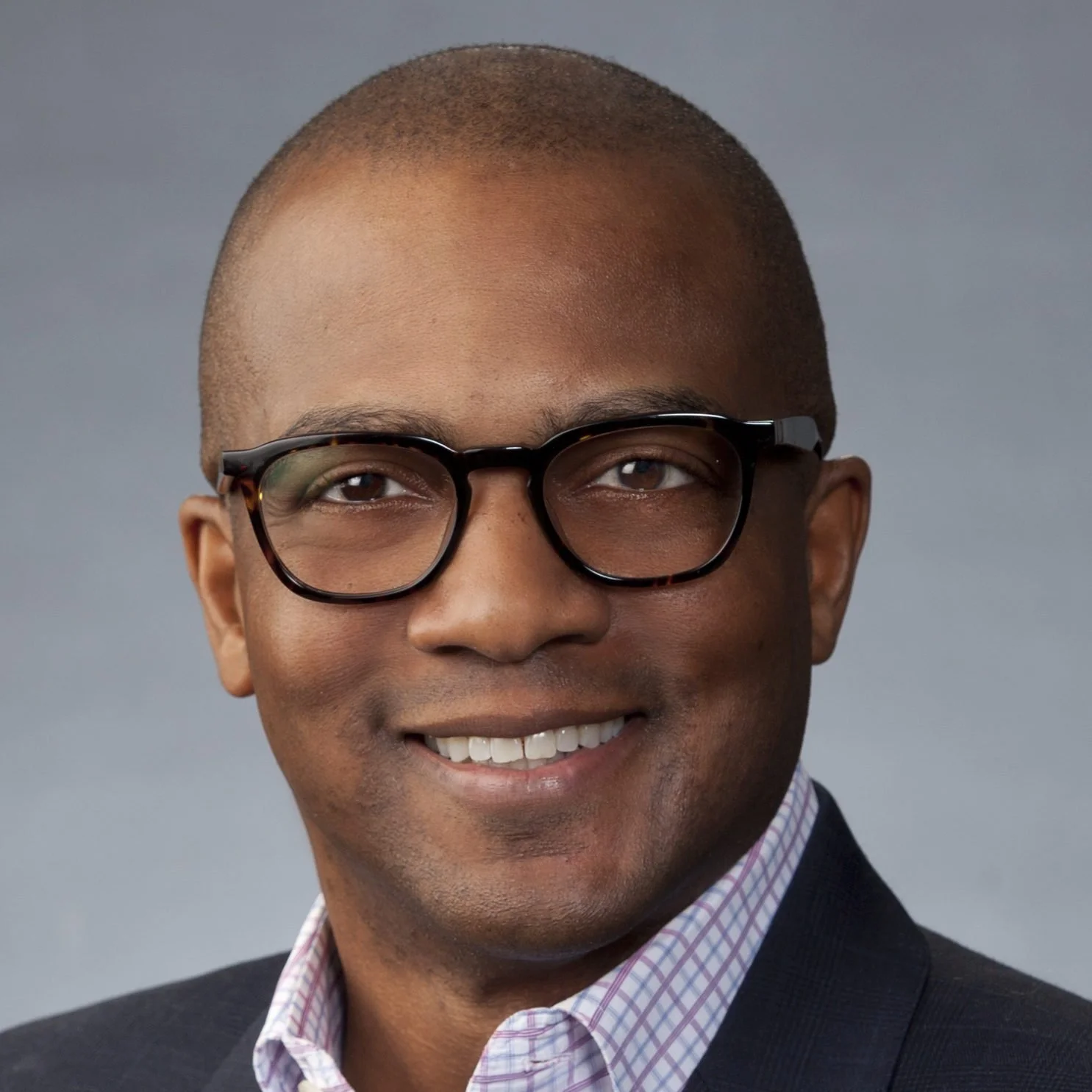
As Harry Hayes explained:
“CoBE wasn’t focused on recruiting more people of color to the Pines; with demographic changes, that’s going to happen naturally. Rather, it sought to find ways to make it more welcoming for those who did come.”
Harry Hayes. Photo courtesy of Harry Hayes.
The committee’s recommendations fell into three broad categories:
Reducing conscious and unconscious bias within the community
Encouraging opportunities for people of color to participate in arts, culture, and entertainment events in the Pines
Promoting a more diverse workforce across the community

Among the specific recommendations were that FIPPOA board members, essentially the community’s leadership, complete Unconscious Bias training and read or listen to White Fragility by Robin DiAngelo. CoBE also recommended that FIPPOA support the work of BOFFO, the nonprofit arts and culture organization, and engage with local businesses on the topic of diversity.
White Fragility by Dr. Robin DiAngelo. Photo courtesy of PenguinRandomHouse.
These recommendations were agreed to and implementation on a number of specific items got underway quickly.
The impact of FIPPOA and CoBE’s efforts soon became apparent. Among the most visible was the creation of Trailblazers Park in the Pines Harbor, which includes a public drinking fountain and a visible celebration of LGBTQ+ pioneers of all races and genders. Both its symbolic and practical elements sent a powerful message of inclusivity and welcome.
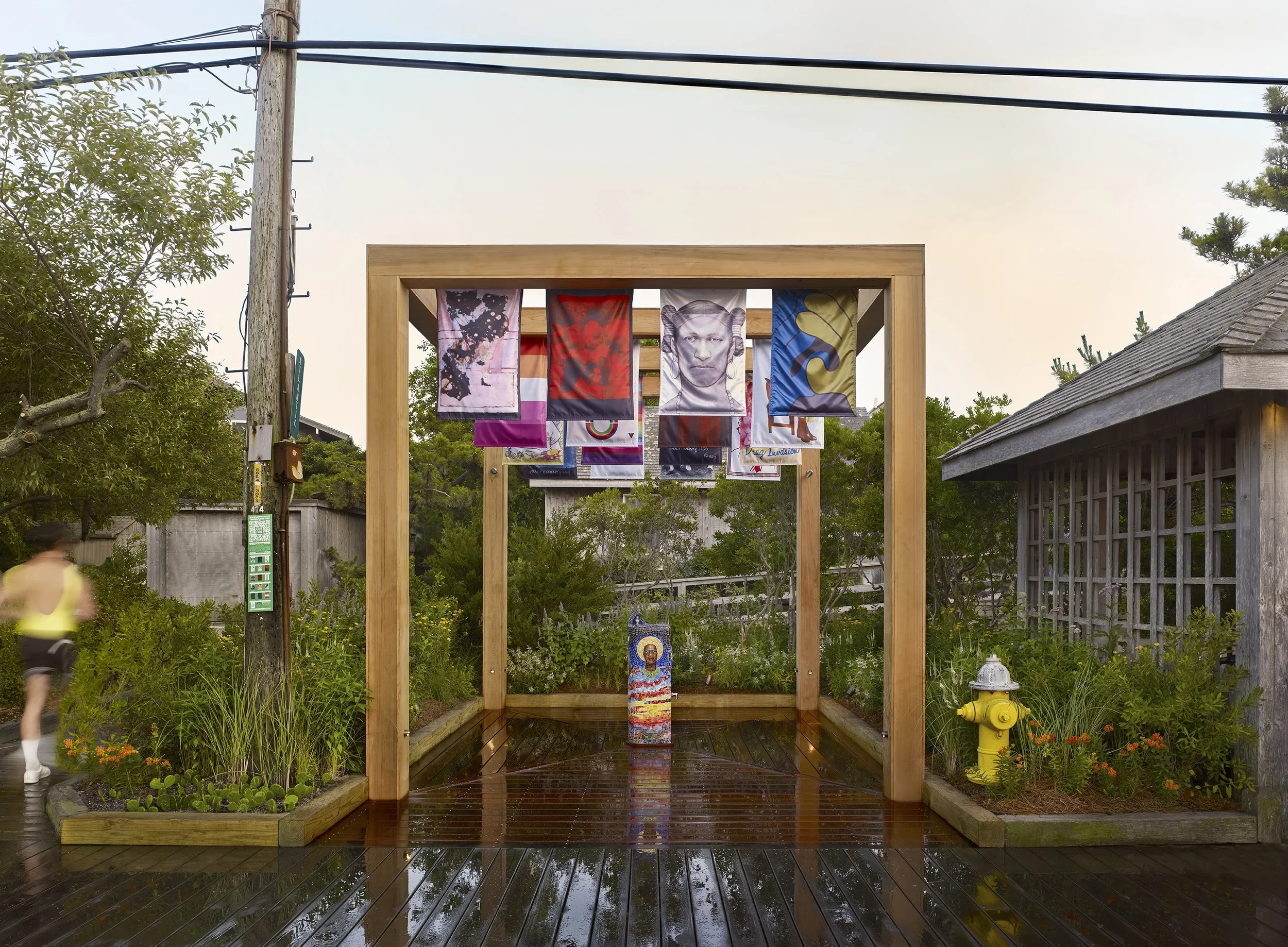
Trailblazers Park. Photo courtesy of FIPPOA
BOFFO was officially designated as a Pines Organization, allowing it to use FIPPOA assets on the same terms as other community groups. In addition, FIPPOA began organizing Juneteenth commemorations, including a 2025 panel discussion featuring four queer Black mainstream journalists.

Eugene Scott (freelance journalist), Emil Welbekin (Native Sun), Dr. Charles A. Montorio-Archer (FIPPOA), Richard Fowler (Fox News), and Tem Aganda-Williams (MSNBC contributor). Photo courtesy of Charles Montorio-Archer.
Reflecting on this work, FIPPOA President and CoBE member Henry Robin had this to say:
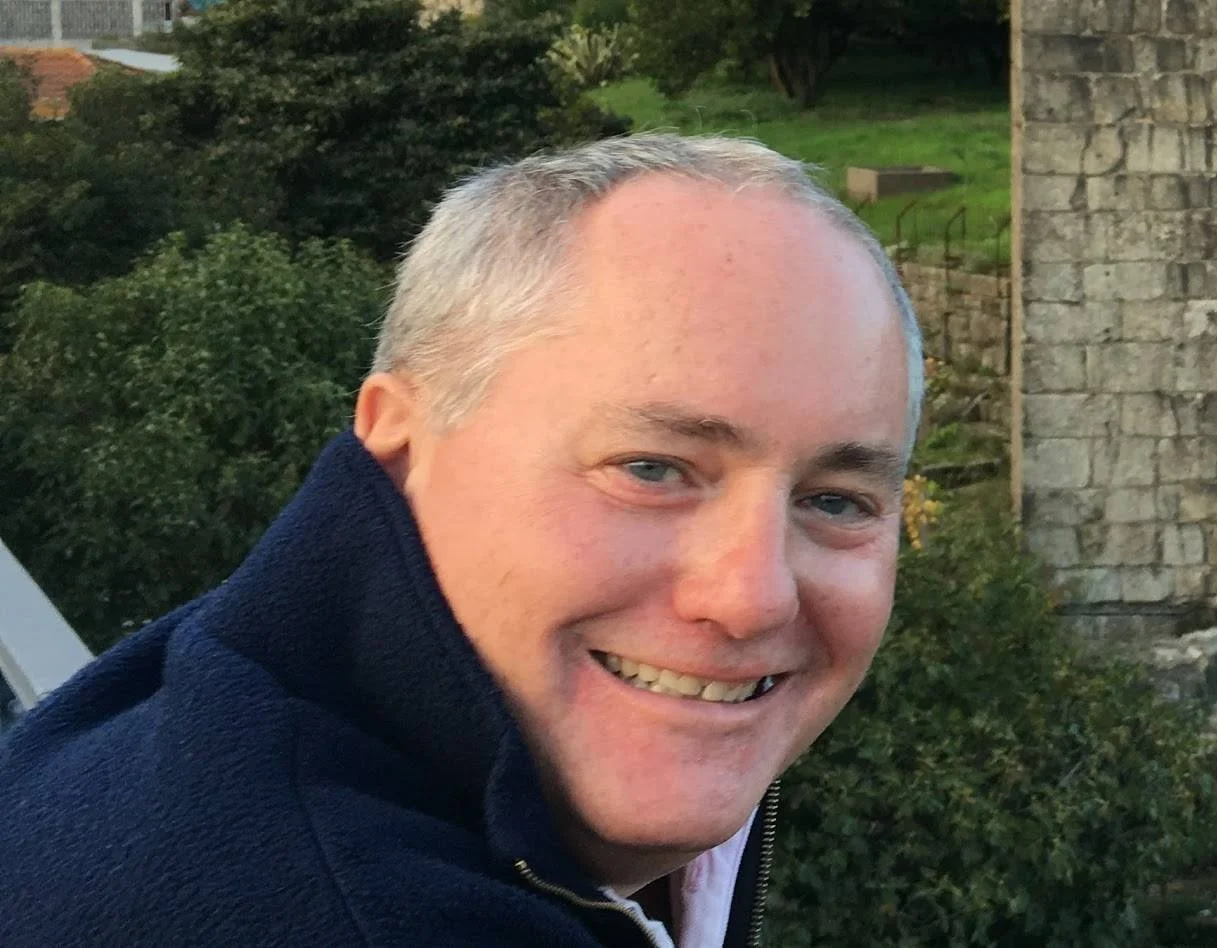
“The Pines is filled with fair-minded, welcoming people, and – like all communities – we are still learning and growing. CoBE raised awareness of the issues surrounding race, equity and social justice, and while there is still work to be done, I am proud that FIPPOA, local businesses and others have taken real steps forward to make the Pines a more inclusive and equitable place for all.”
Henry Robin. Photo courtesy of Bob McGarity.
Perhaps the most valuable outcome of CoBE’s creation has been the dialogue it started within the community, one that has largely remained respectful. Some residents, believing the Pines to already be an open and welcoming place, questioned why such steps were needed at all. While these discussions may not have changed every mind, they helped surface the truth that everyone’s experience is unique, and that we all have blind spots.
Others questioned why Trailblazers Park celebrated individuals who had no direct connection to the community. Yet as history shows, events far beyond the island—from Stonewall to marriage equality to the Trump administration’s policies—have shaped life in the Pines. As such, recognizing contributions from those outside the community is both relevant and appropriate.
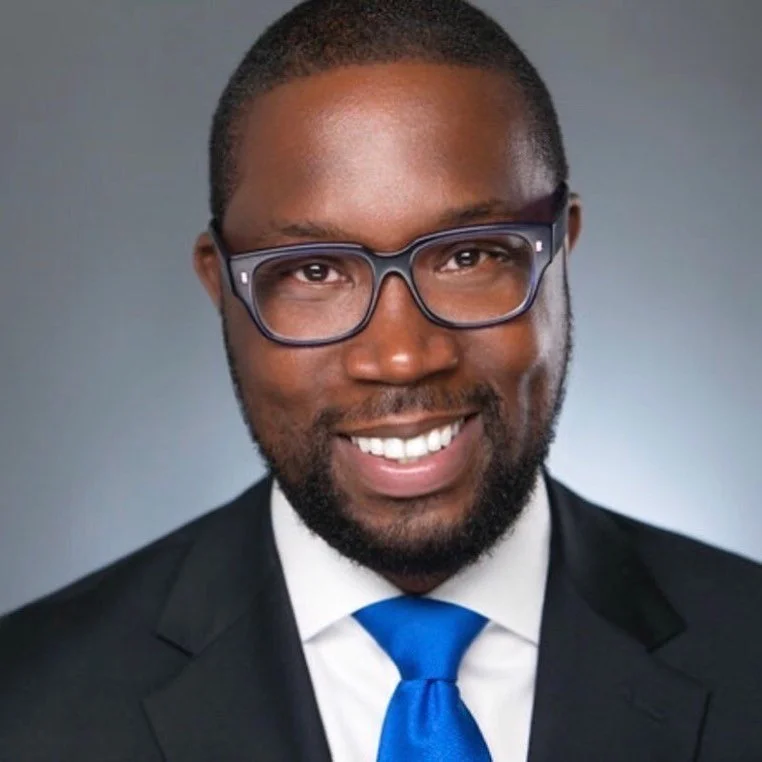
As Dr. Charles A. Montorio-Archer observed:
“Progress doesn’t happen in silence—it happens when we challenge comfort, lean into discomfort, and stay at the table. CoBE wasn’t created to check a box; it was formed to confront truths, spark dialogue, and build understanding. Some of the pushback we saw wasn’t resistance -- it was curiosity. People asking to understand better. Real leadership lives in that tension: choosing courage over comfort and action over avoidance. That’s how communities grow stronger and more just—together.”
Dr. Charles A. Montorio-Archer. Photo courtesy of FIPPOA.
By its mere existence, but more importantly through its work and results, CoBE is one very important way the Pines is leaning into that discomfort, confronting truths and driving change. The simple truth is that race is a complicated and often charged issue from which the Pines is not immune. Societal challenges on the mainland don’t stop at the shoreline – they inevitably cross the bay. The work of CoBE represents an important step toward for the community as it continues to strive to live up to its own ideals of inclusion, equality, and shared humanity that have been at the center of its evolution over seventy years.