

SAGE (est. 1978)
The Promise We Make To One Another
By Virun Rampersad, April 2026
Invisibility.
This is one of the major risks when growing old as a gay person in America. Too often it leads to being forgotten and being alone.
In a country that has limited social safety nets, LGBTQ+ seniors are among the most vulnerable; they have few legal protections, often have no children or family to rely on, and are routinely subject to discrimination when seeking social services.

Prior to marriage equality, even people in long-term relationships could find themselves at risk of eviction when a partner died.
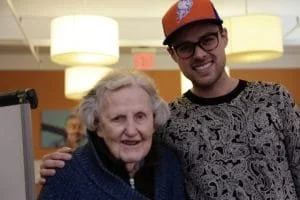
Unidentified LGBTQ+ senior. Photo courtesy of OUT Magazine.
The simple truth is the challenges of growing old as a LGBTQ+ older adult are significant. And as one former Pines resident discovered, they can shape decisions even in youth.
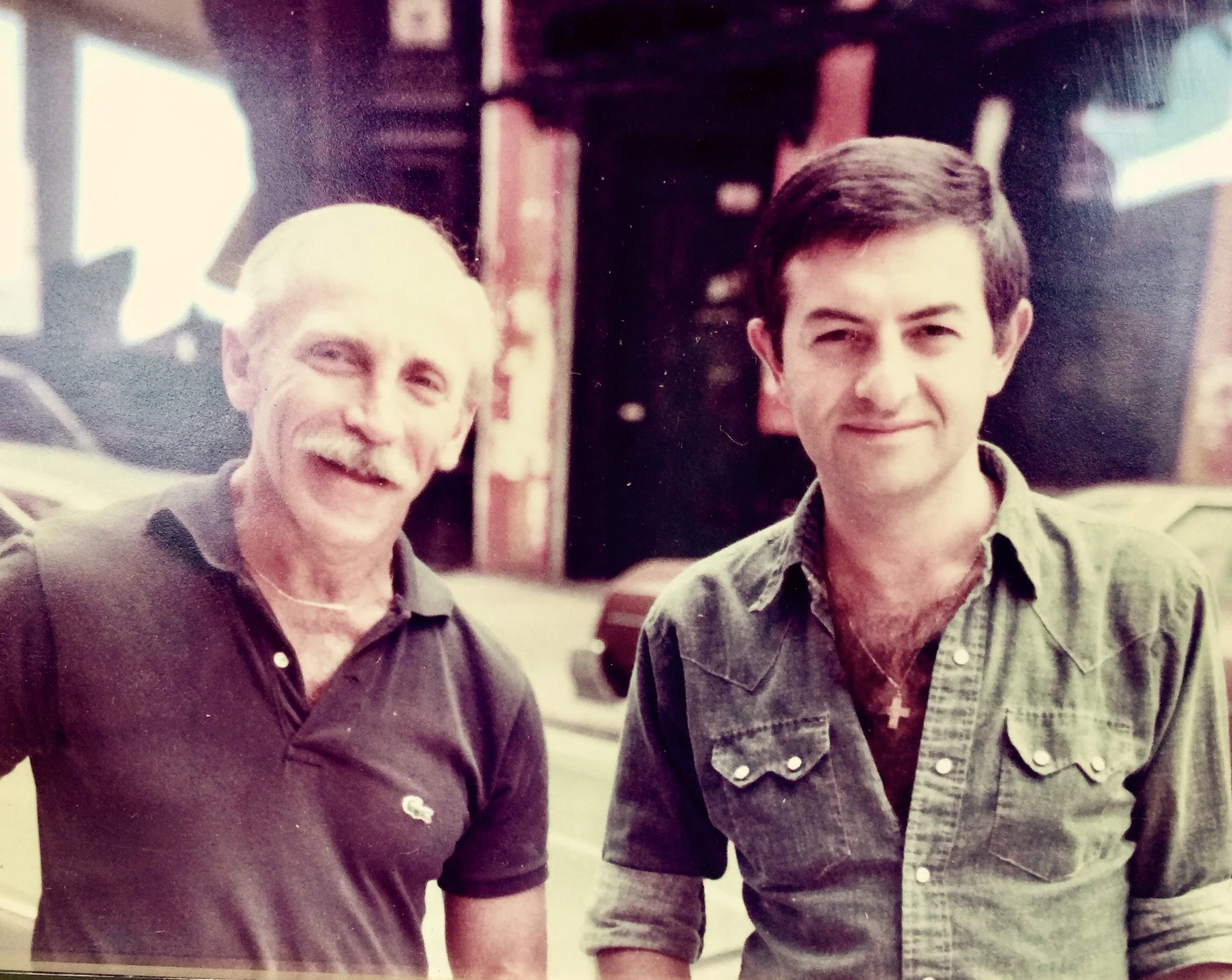
Louis Malkin and Dino Georgiou. Photo courtesy of Dino Georgiou.
In 1960, a 23-year-old Dino Georgiou met Louis Malkin, who was eighteen years his senior. Dino was smitten, but Louis was hesitant. His concern was simple, and profound: they would not grow old together. Lou feared that when he passed, Dino might be left alone for a long time with no one to care for him. Better, he thought, for Dino to find someone closer to his own age.
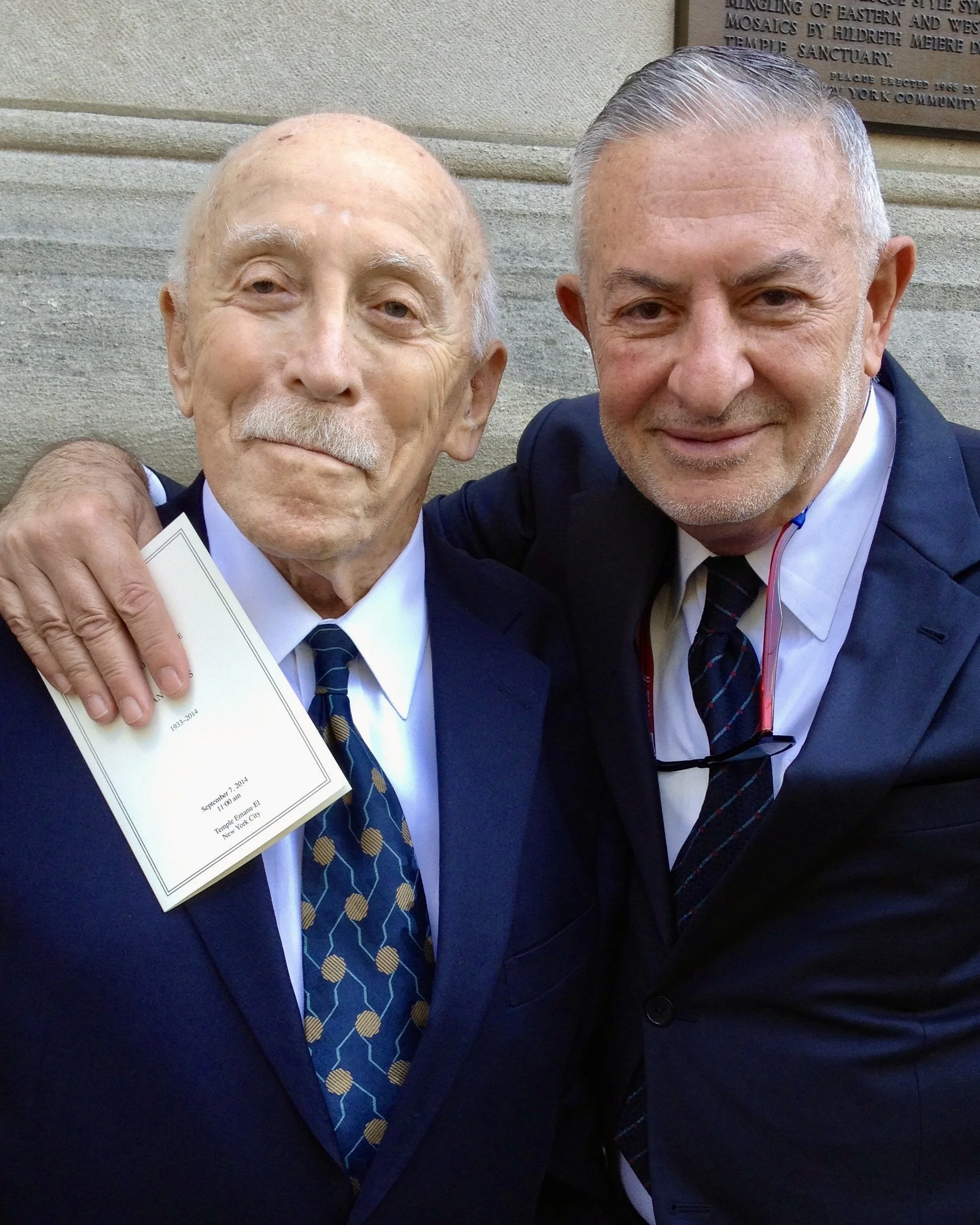
Despite these concerns, love prevailed. Their relationship spanned more than 58 years, until Lou passed at the age of 98 in 2017.
Louis Malkin and Dino Georgio in 2014. Photo courtesy Dino Georgiou.
But the question of aging and care never left Dino. Beyond his personal life, Dino was also part of a generation of leaders that helped shape the early architecture of LGBTQ+ rights in America, and that sense of responsibility to community stayed with him. One day in 1978 he came upon a small group in Chelsea who were looking to start an organization focused on providing services to support senior gay and lesbian New Yorkers. Dino didn’t hesitate. He jumped in with both feet, joining the fledgling SAGE organization as it slowly built community infrastructure to support LGBTQ+ seniors. In so doing, he sowed the seeds for a partnership that would later blossom in a place two hours away across Long Island’s Great South Bay.
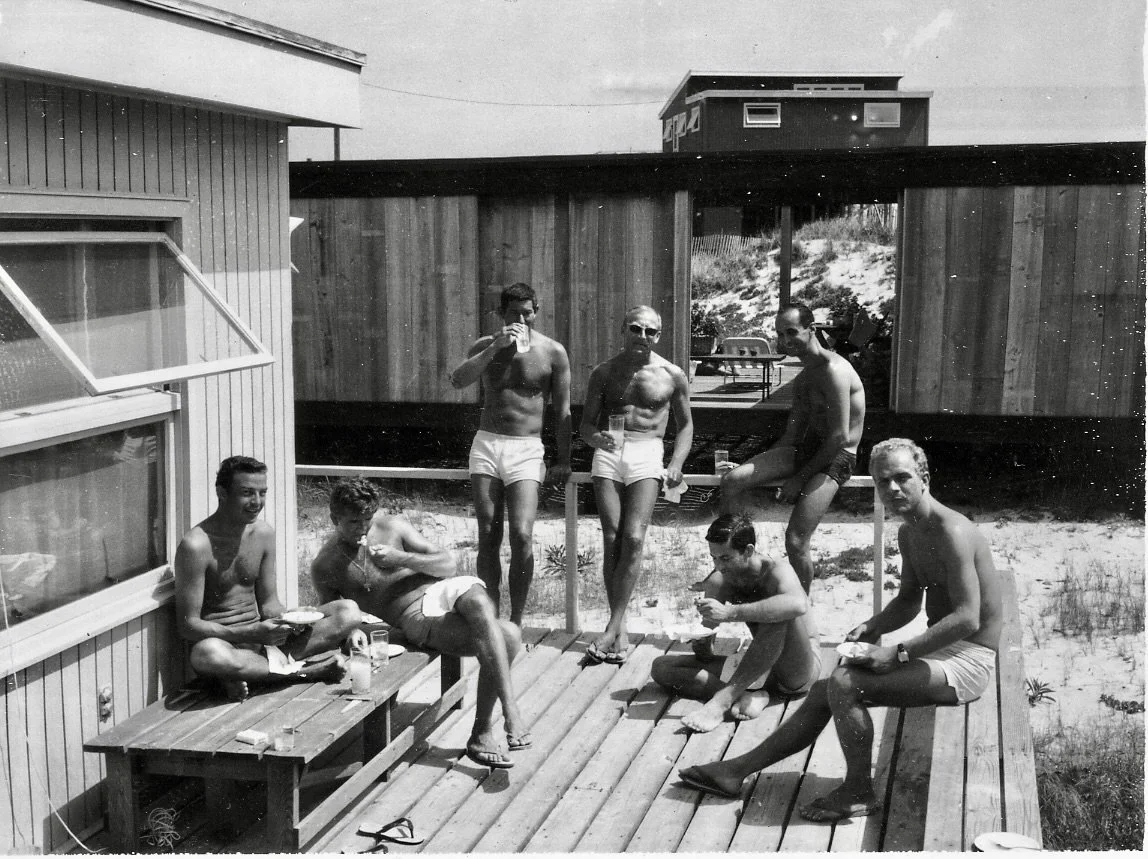
Fire Island Pines, along with neighboring Cherry Grove, had long been places where gay people built community. While much of the focus was on freedom, joy, and recreation, residents also understood the need to protect and advocate for themselves.
Dino Georgiou, Lou Malkin and friends in the Pines. Photo courtesy of Crayton Robey
They supported the Mattachine Society, which helped end police raids in 1968, and in 1973, Lambda Legal was conceived in the Pines to fight for equality through the courts. Dino recognized the natural connection with SAGE’s mission and began hosting small fundraisers in people’s homes. The community responded. In 1982, when he was co-chair of SAGE, Dino collaborated with Broadway legends Jerry Herman and Tommy Tune, and the original cast of Nine, on a benefit at the Pavilion in the Pines.
Unfortunately, just as SAGE was gaining traction on Fire Island, attention shifted to a far more urgent issue, AIDS. The epidemic devastated the Pines and Cherry Grove in the 1980s. A generation that had only just found freedom was suddenly fighting for its life.
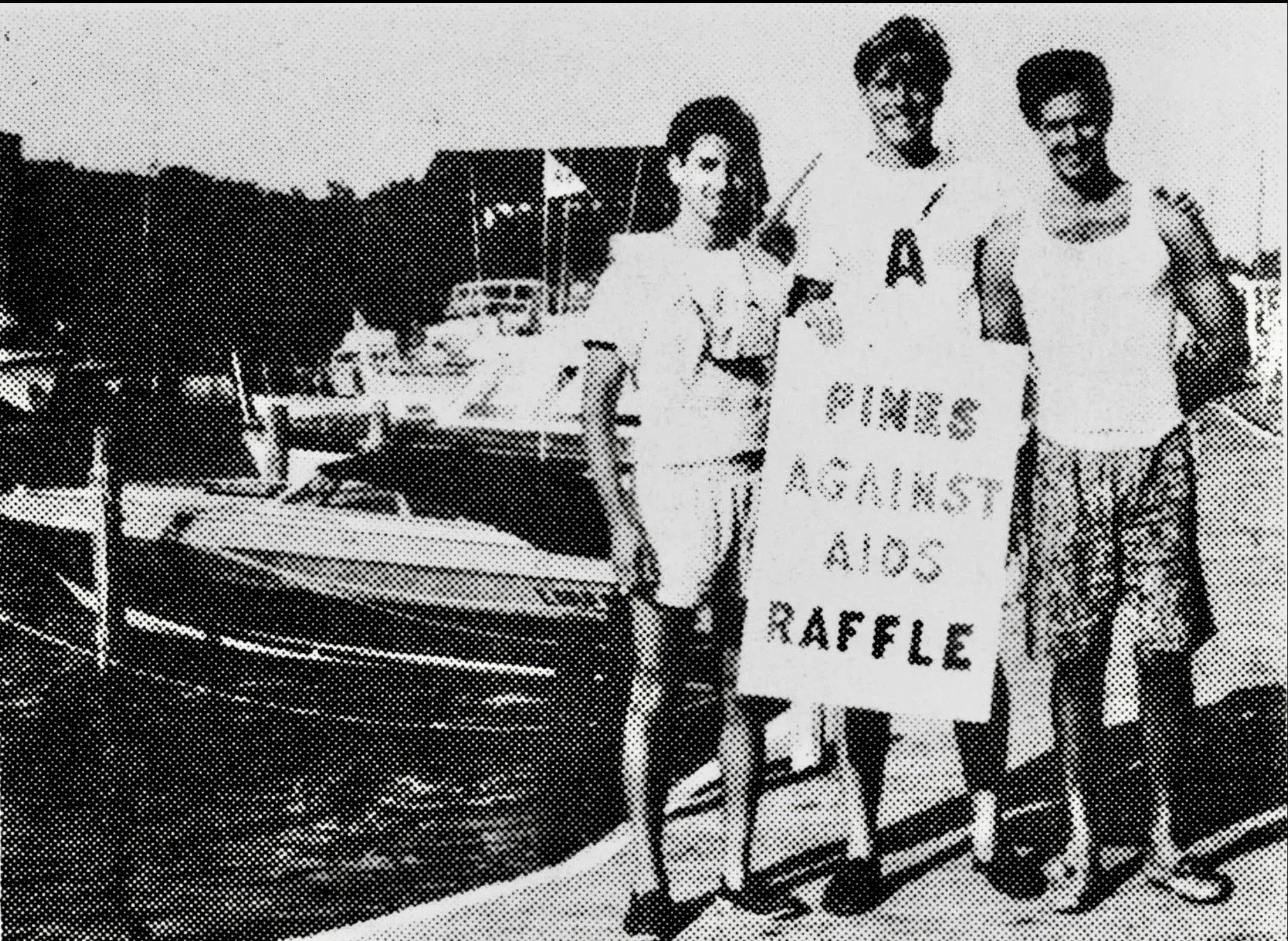
The magnitude and severity of the crisis created a huge and urgent demand for resources, diverting funds away from SAGE. It wasn’t that the community stopped caring, but its priorities shifted.
Fundraising for AIDS in the Pines in early 1980s. Photo source: Unknown
AIDS changed SAGE too. It expanded its services from its initial Friendly Visitor Program that paired volunteers with isolated LGBTQ+ elders for regular visits and emotional support, to include support groups, case management and services for older adults living with HIV/AIDS.
SAGE Friendly Visitor Program. Photo courtesy of SAGE USA.
And although fundraising became harder, SAGE continued to be a regular presence on Fire Island, where community members always found ways to give, albeit at modest levels.
Despite the fundraising setback created by the AIDS epidemic, SAGE grew in strength and impact through the 1990s and into the new millennium. It became the US’s leading advocate on LGBTQ+ aging, operating at both the local and federal levels. Its programs expanded into housing advocacy, health and aging issues and social programming. Longtime Pines resident and FIPPOA Board member, Dr. Ed Schulhafer noted that this shift reflected the critical issues facing the LGBTQ+ community. As a doctor, he had a bird’s eye view of the importance of housing security and tailoring services to meet clients where they are. As he noted:
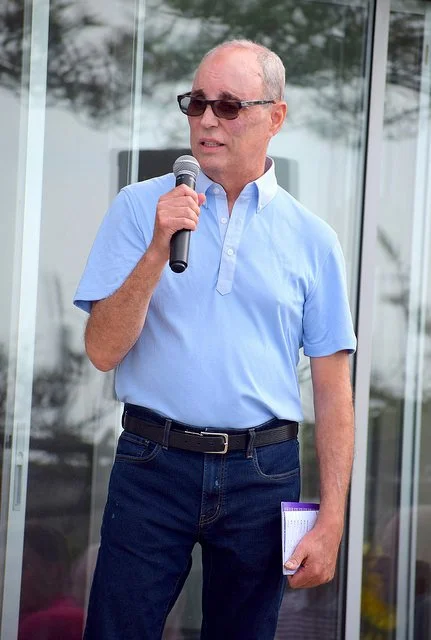
“Without housing, it’s hard to get healthcare, a job or even be safe. It’s fundamental. We also need to ensure services are tailored to meet the special needs of our community. Even though things have gotten better for gay people, there is still a lot of anti-trans bias out there.”
Dr. Ed Schulhafer. Photo courtesy of Crayton Robey.
To support its work, SAGE relies heavily on donations and is continually seeking ways to strengthen its fundraising. In 1993, it transformed its Pines event from a simple fundraiser into one that honored those who gave back to the community. This shift reflected a deeper truth born of lived experience: in the face of government indifference, it was volunteers, activists, and donors who led the fight against AIDS. The change was well received. Ward Auerbach, who with his husband Andy Baker, is a long time Pines resident and SAGE supporter had this to say:
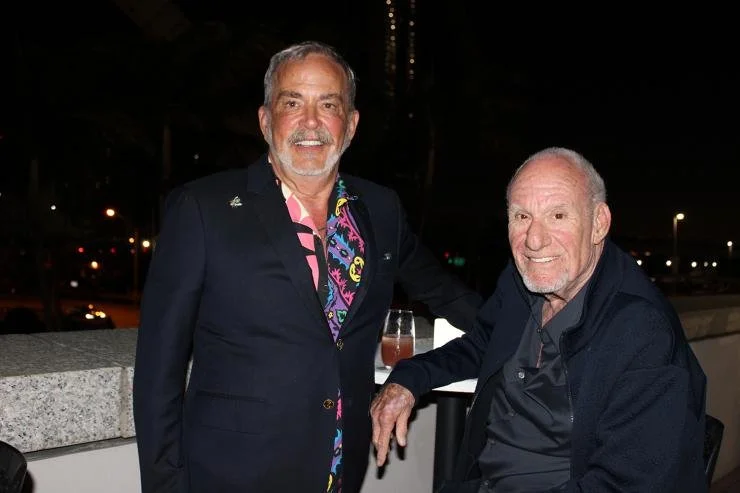
“I think celebrating people who have made contributions to the community is important because not only is the recognition well deserved, but it can inspire others to do the same. The Pines is a natural place to do this because it is full of people who, generally speaking, have done well in life and are often in a position to help.”
Andy Baker and Ward Auerbach. Photo credit: Unknown
Despite the shift toward honoring community contributors, SAGE’s fundraising in the Pines did not see a major increase until 2011, when two developments helped reshape its scale and spirit. First, Dr. Ed Schulhafer and Crayton Robey began hosting the benefit at their bayfront home creating a more intimate and resonant setting that deepened community engagement with the work. As Crayton noted:
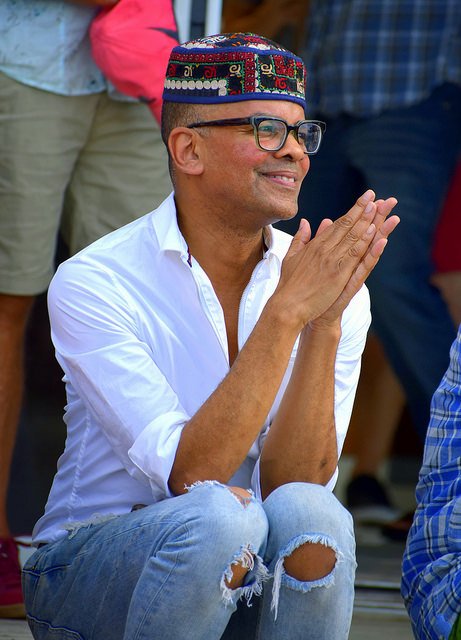
“I do this because Dino and Lou are chosen family, my gay fathers. They gave me more than love—they gave me history: the history of the Players, the world they built and moved through and the history of LGBTQ+ life in America. And they taught me that memory is care. In their honor, I am grateful to host this afternoon in celebration of SAGE and Pines community service, where we gather in joy and recognition of one another. A community reveals itself not only in how it celebrates, but in how it remembers and cares for its own. And SAGE stands as a quiet insistence that those who came before us are not made invisible.”
Crayton Robey. Photo courtesy of Crayton Robey
In the same year, SAGE gained another key leader in the Pines when Doug Harris became involved. A capital markets lawyer who had spent his career working in the sophisticated derivatives industry, Doug had a history of activism dating back to his undergraduate years at Harvard. SAGE’s focus on helping a group of people who are easily overlooked and subject to discrimination resonated with him. He stepped up to lead the Pines event. Shortly after he joined SAGE’s Board of Directors where he served from 2013 to 2020, including two years as co-chair, before stepping down due to term limits. Following these changes, the Pines benefit’s fundraising went from $23,000 in 2011 to over $80,000 in 2023, and SAGE itself grew in strength and impact.
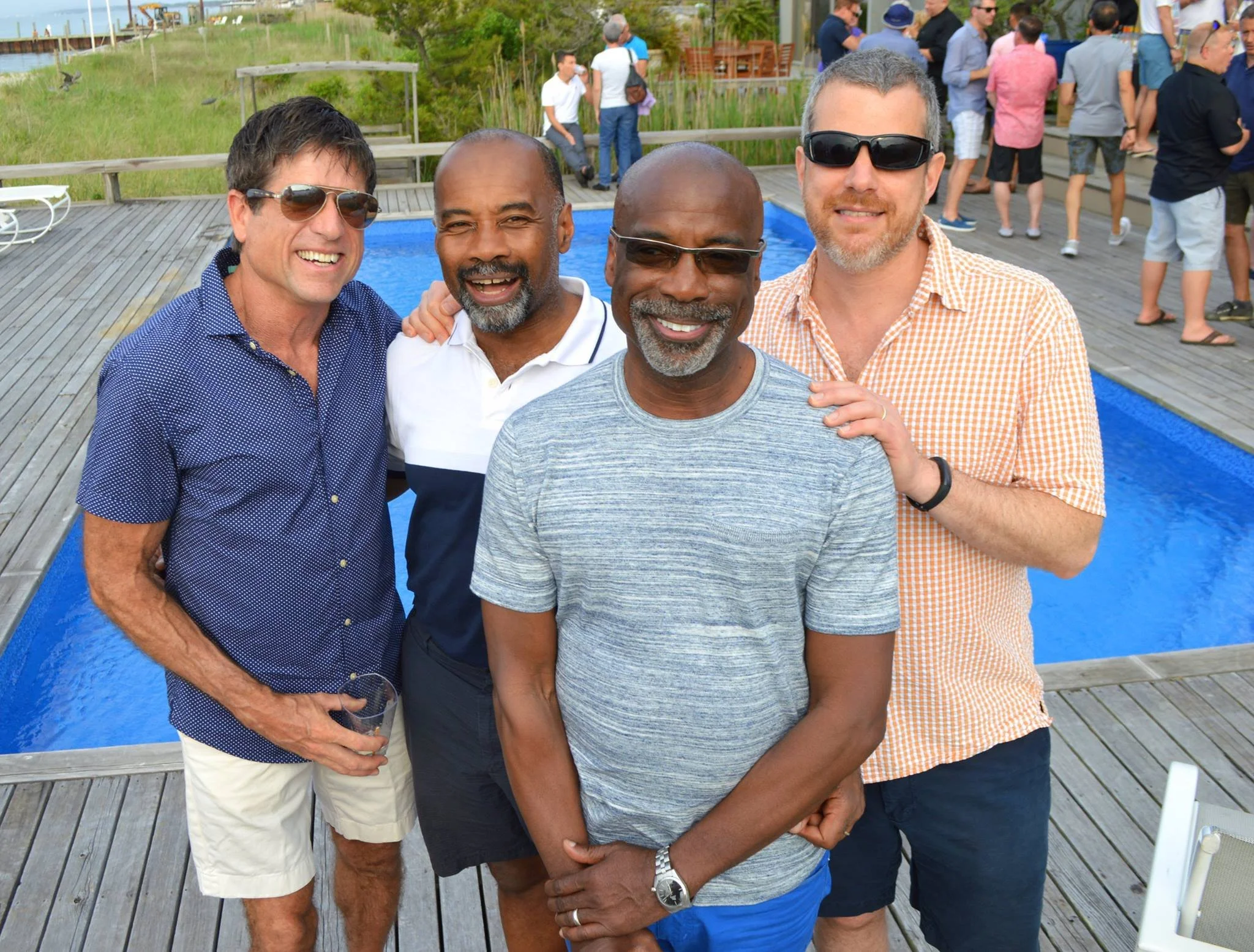
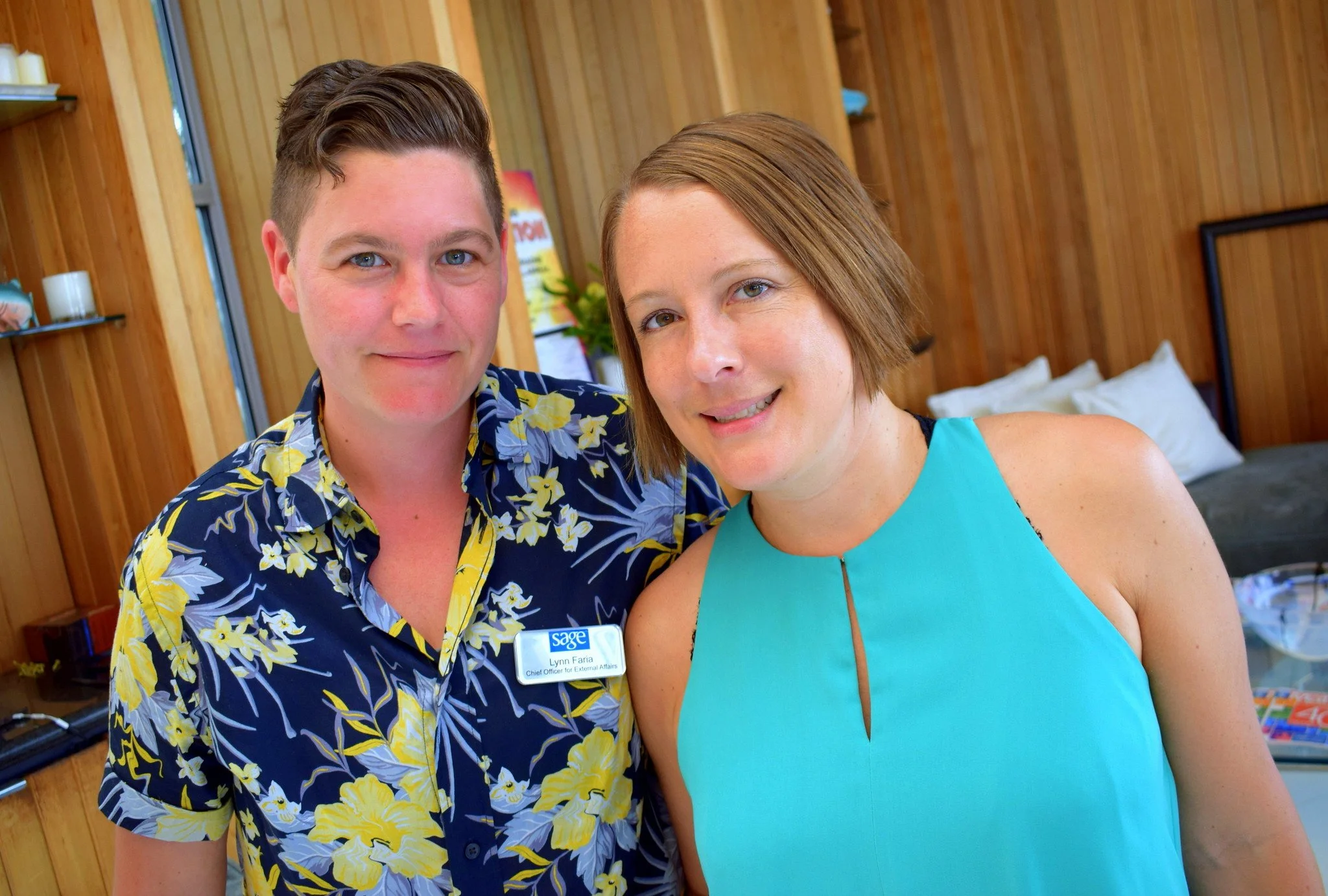
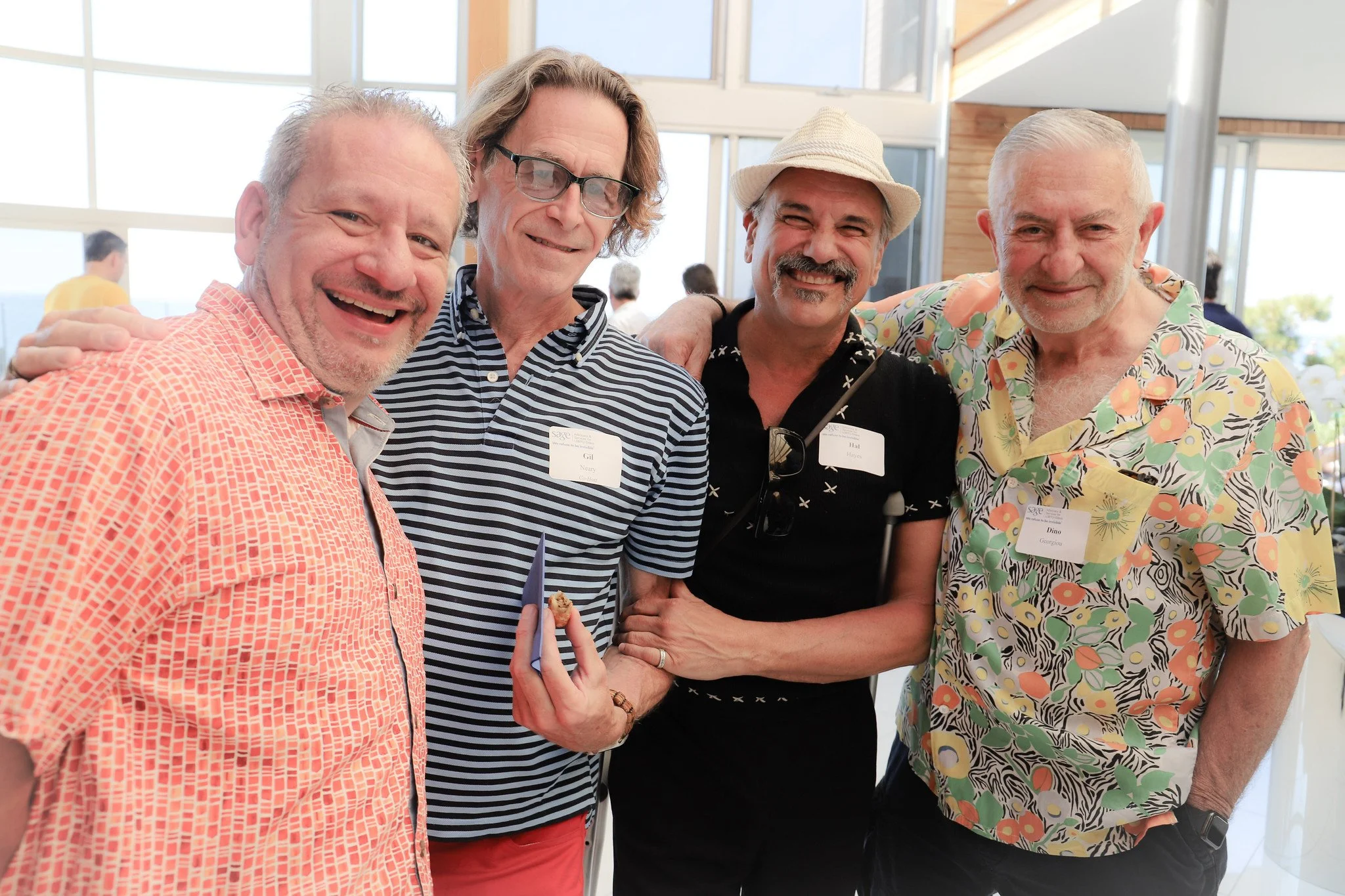
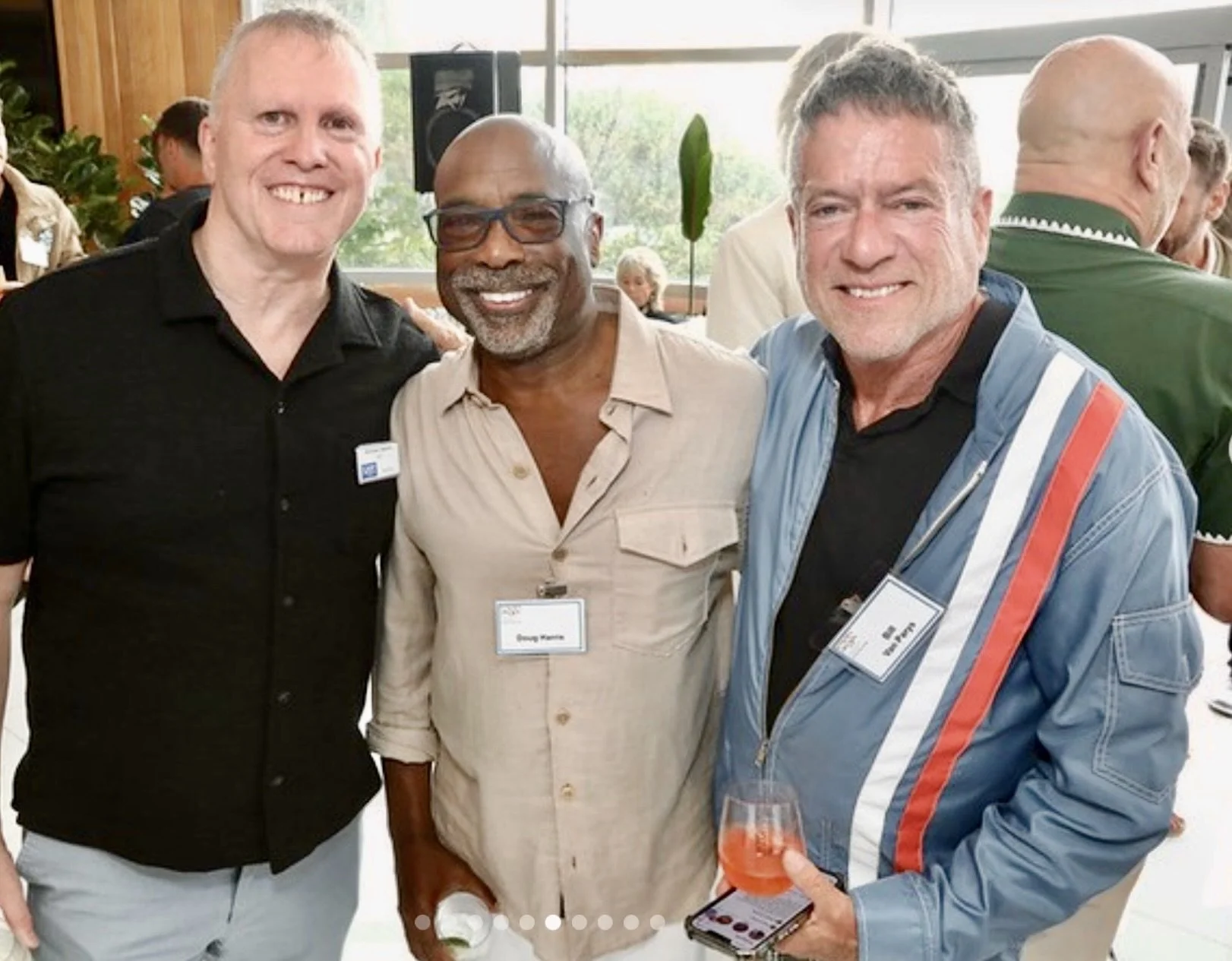
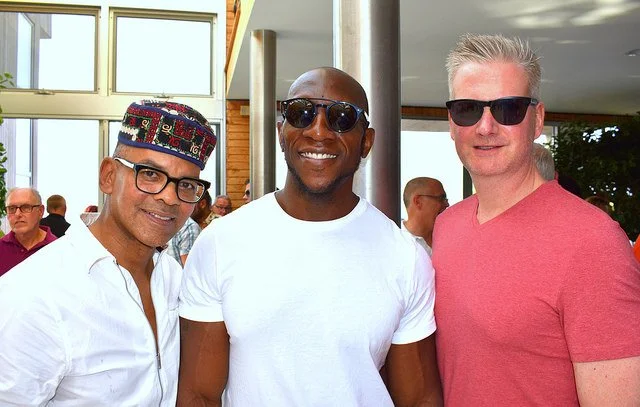
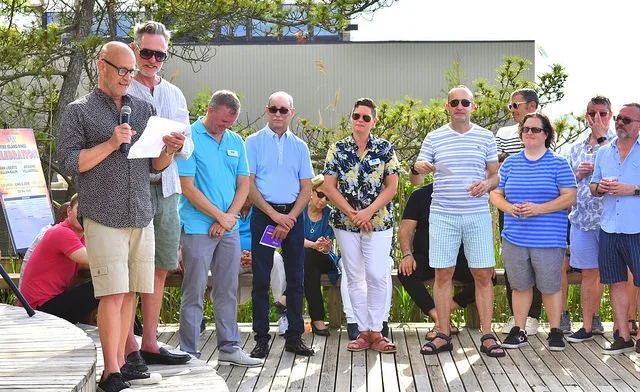
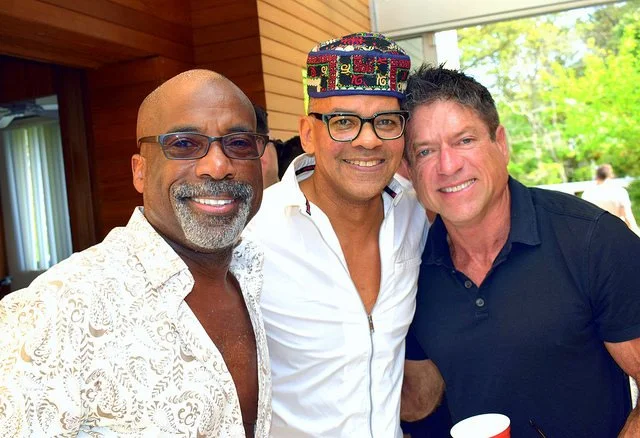

Scenes from the SAGE Benefit in the Pines at the home of Dr. Ed Schulhafer and Crayton Robey. Photo courtesy of SAGE USA and Crayton Robey.
The remarkable growth SAGE achieved in the Pines reflects both the support of community leaders, as well as steps the organization took to increase its visibility. This included sponsorship of the mobility cart. In a place connected by boardwalks with no cars, the cart has not only benefitted senior residents but has made the Pines accessible to older relatives and friends of community members.

The service also sends a subtle, but unmistakable message: everyone – gay and straight -- gets older and will eventually need services that organizations like SAGE provide.
The Pines Mobility Cart with volunteer drivers Jerry Gaschen, Larry Talamy, Jim Sticki and Randy Lauwasser in 2023. Photo courtesy of FIPPOA.
In its nearly fifty year history, SAGE’s housing initiatives, social programs and care services have directly improved the lives of tens of thousands of people. Beyond this, it has helped bring national attention to the unique challenges facing LGBTQ+ elders, advocating for inclusive policies in healthcare, housing, and aging services. Perhaps most importantly it has educated countless providers, ensuring that institutions from senior centers to hospitals better understand and serve LGBTQ+ populations. In doing so, it has helped shift the standard of care across the country, reinforcing a simple but powerful truth: LGBTQ+ people are everywhere, and they deserve to be supported wherever they are.
The tremendous impact SAGE has had reflects the creativity and determination of its team, especially its Executive Directors Michael Adams and Lynn Faria. Their perseverance and creativity enabled it to endure some of the most challenging times, including the AIDS crisis and the Great Recession. Through it all they never faltered in their mission and remained a constant presence in the Pines.
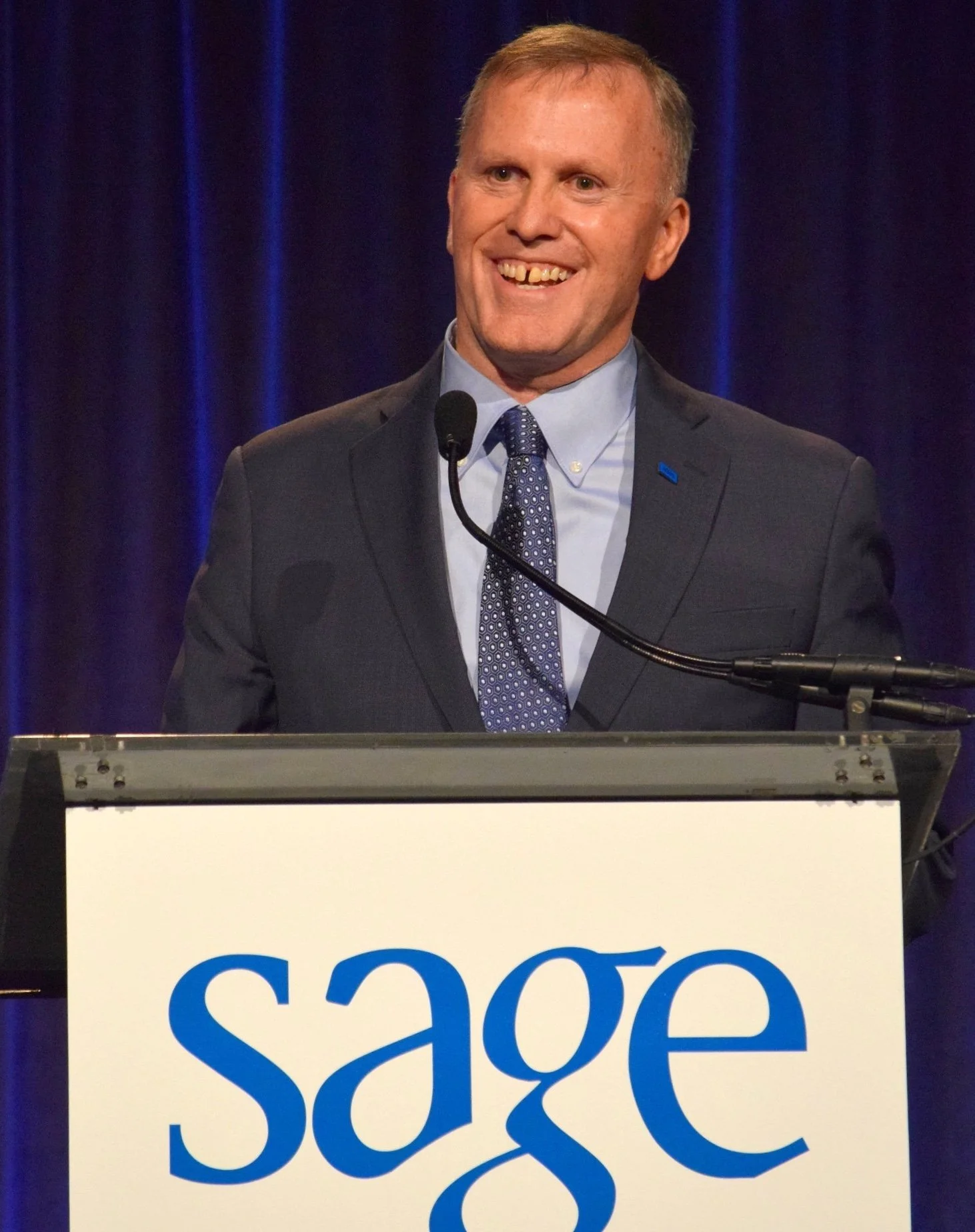
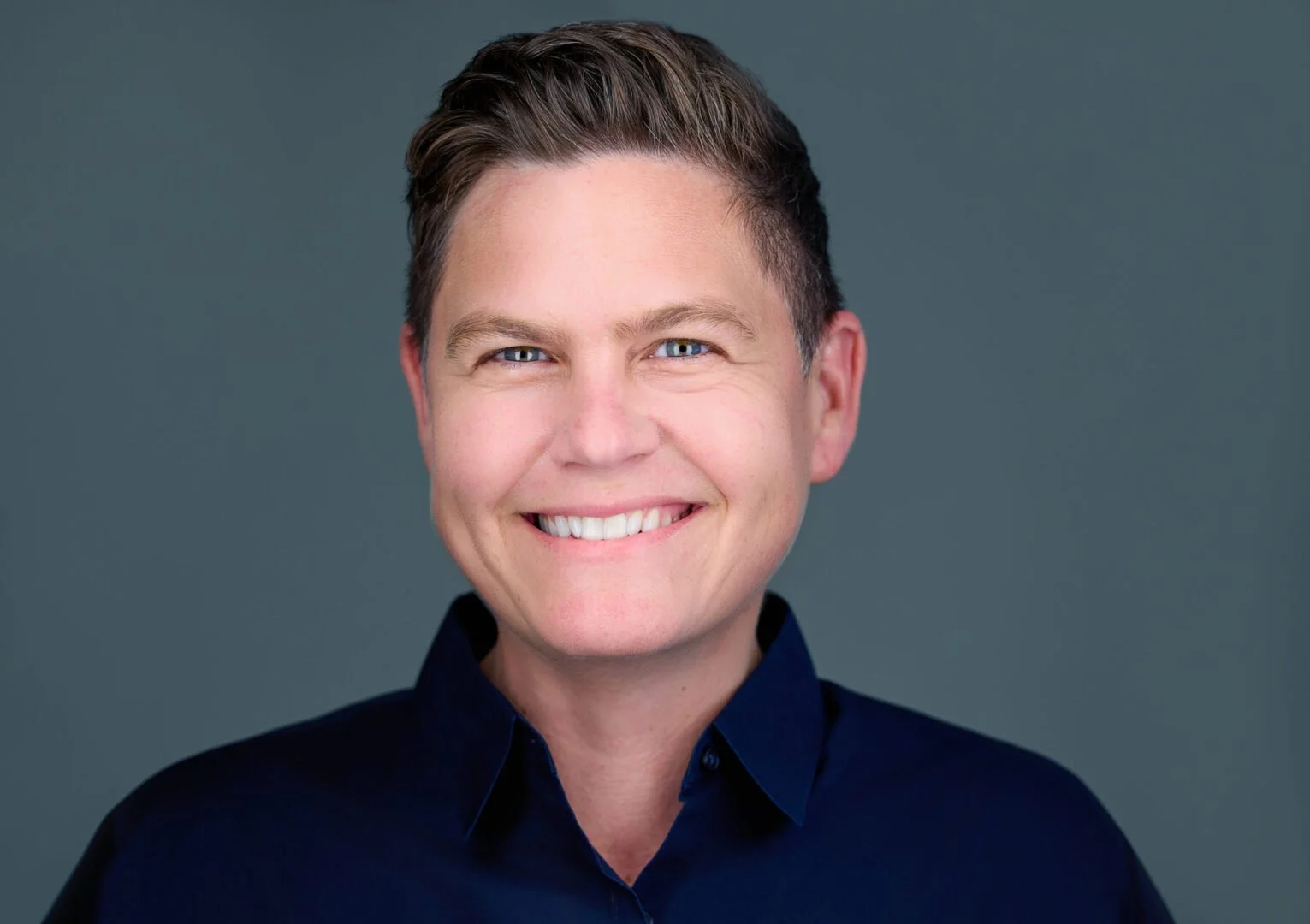
Michael Adams (Left) and Lynn Faria (Right). Photo courtesy of SAGE USA.
Today, it is clear that the connection between SAGE and the Pines goes well beyond fundraising. In some ways they are different sides of the same coin. Both were created for and by LGBTQ+ people and their allies in response to a world that was often indifferent - even hostile - to their existence. Their founders took risks and made sacrifices to create spaces where connection, safety, and identity could thrive. And both require nurturing and care to survive.
Moreover, at their core, the Pines and SAGE are expressions of the same idea: community. The Pines is where that community is lived, and SAGE is how it endures—ensuring that those who built it, and those most in need, are not forgotten. Together, they reflect a simple truth that community is not just where we come together, but how we show up for one another. For this reason, the partnership between the Pines and SAGE is not only meaningful, it is essential, and one that each generation must continue to sustain and strengthen.