

Pines Profile - Douglas E. Harris (b. 1950)
By Virun Rampersad. February 2026.
A Life Spent Doing What’s Right, Not What’s Easy
Doug Harris has spent his life doing something both rare and invaluable -- building worlds where people can thrive. Whether helping shape the regulatory architecture of the global capital markets, elevating LGBTQ+ elders through SAGE, or steering the Pines towards becoming a more open and welcoming community, Doug’s legacy is defined by brilliance, perseverance, risk taking, and an extraordinary gift for connection.
Doug was born in 1950 at Stanford Hospital in Palo Alto, California. His grandparents and parents, originally from Texas, were part of the Great Migration of African Americans who moved west to build a better future for themselves. It proved a good decision. While neither parent had a college degree, they both worked at Hewlett-Packard (HP) during the earliest days of Silicon Valley; indeed, his mother helped build one of HP’s first computers. The family lived in an integrated neighborhood. Doug and his brother James attended racially mixed public schools, and both had summer jobs at HP. This upbringing served him well, instilling good values and habits, and providing both an excellent education and the experience of living and working in a multi-racial, highly competitive environment.
From the start, Doug was a standout. In high school, he excelled both academically and socially, graduating in 1968 after serving as senior class president. With the encouragement of guidance counselors, he applied to a variety of universities across the country, ultimately choosing Harvard College over Stanford. It was a decision shaped by ambition and intention. Harvard was arguably the most prestigious university in America, but it also offered something that he knew he needed – distance from home. Doug knew he was gay, and while he loved his family – he has remained close to them throughout his life -- he also understood that he needed space to figure out how to live his life authentically and on his own terms.
Harvard, Awakening, and Activism
Harvard was an education far beyond the classroom. Thousands of miles from where he grew up, it was Doug’s first experience with East Coast culture and a world of preppies, elites, class consciousness -- and winter! Although the social hierarchy was very different to California, he quickly adapted.
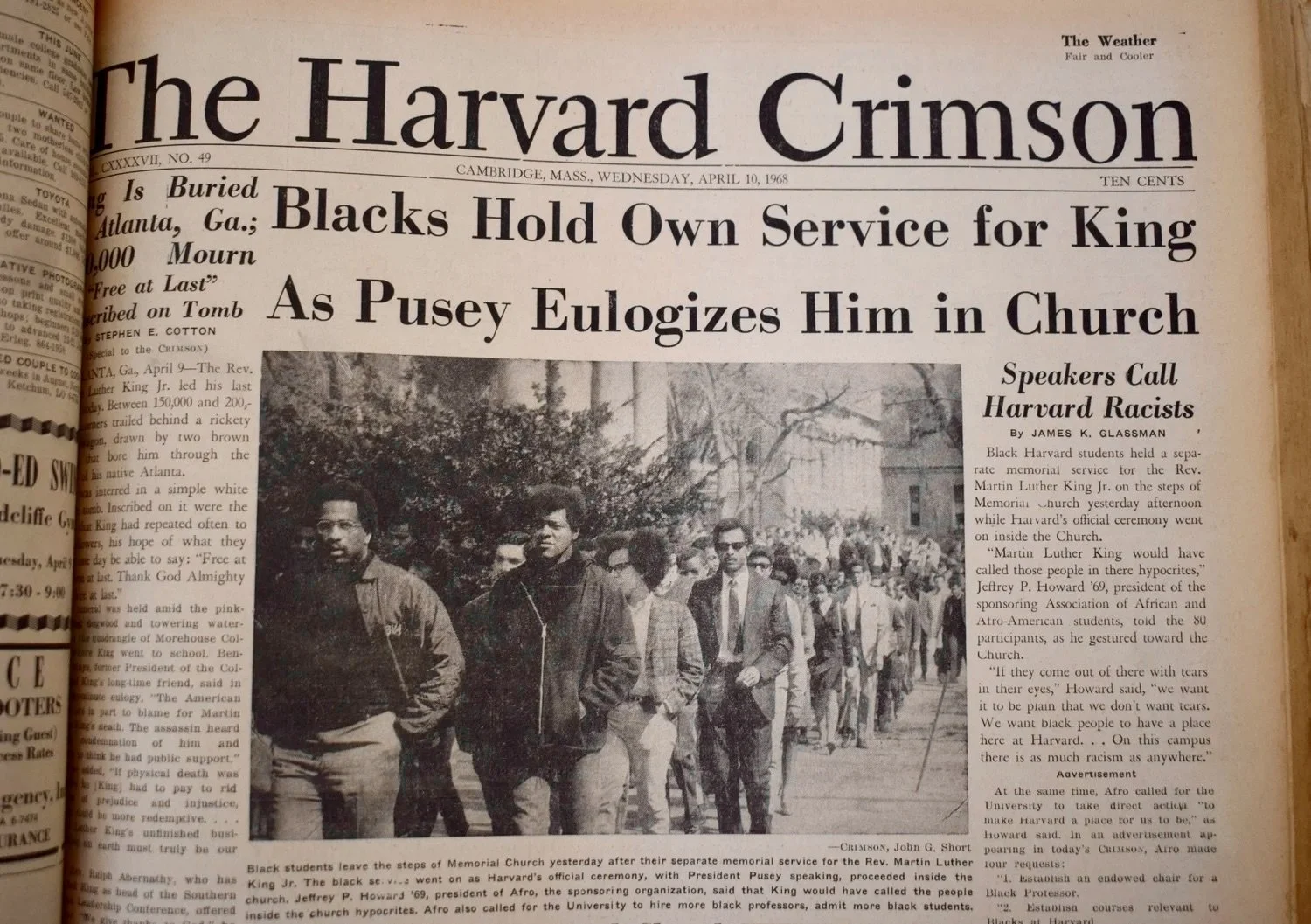
Doug arrived at Harvard at a time that America was undergoing a period of major social change. 1968, the beginning of his freshman year, saw the assassinations of Dr. Martin Luther King, Jr. and Robert F. Kennedy, the protests against Vietnam, the chaos of the Democratic National Convention and the rise of the Black Power movement.
Harvard Crimson Newspaper. Photo courtesy Harvard Crimson.
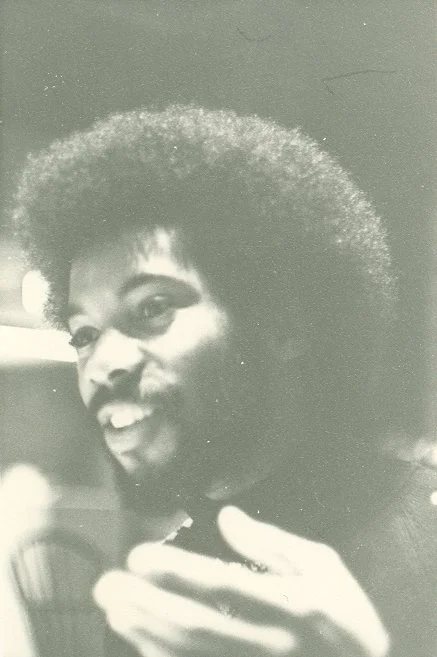
Doug felt the need to be involved in driving social change. In his freshman year, he was part of the group that took over University Hall in the ultimately successful effort to get Harvard to create an African American Studies program.
Doug Harris at Harvard. Photo courtesy of Doug Harris.
Unfortunately, this action resulted in him being placed on probation for the remainder of his undergraduate years. Doug knew that getting expelled from Harvard would have been devastating to both him and his family.
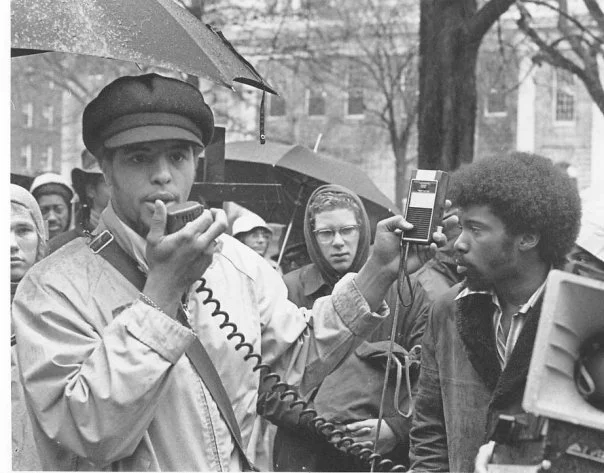
However, rather than retreat or be silenced, Doug recalibrated his approach and was on the front lines when the Black student group took over Massachusetts Hall in his senior year as part of a successful effort to push Harvard to divest its Gulf Oil holdings, a company tied to the apartheid regime in South Africa.
Doug Harris at Gulf Oil Protest At Harvard. Photo courtesy of Doug Harris.
Doug thrived academically at Harvard, majoring in economics, and forming friendships that would last the rest of his life. He also explored his sexuality, both on campus and beyond, and began to form an idea of what his life could be like. The military draft was still in force at that time, and he even though he had a low draft number – 51 - he rolled the dice. He declared eligibility in 1970 while still in school. Fortunately the Vietnam War was winding down and his number did not come up.
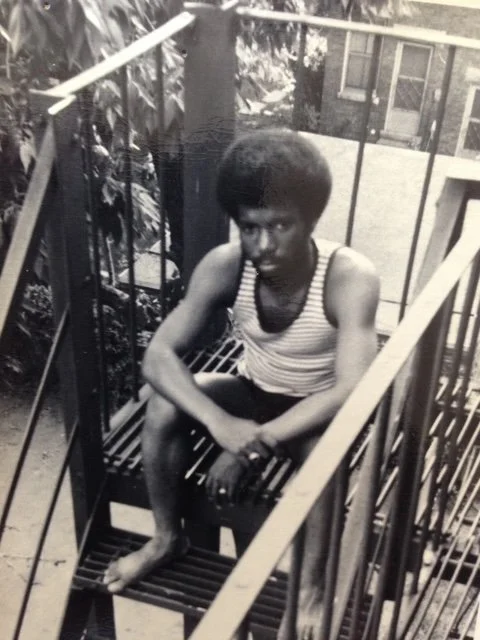
Doug graduated in 1972 and moved directly across campus to Harvard Law School. Here he discovered not only an aptitude, but also a genuine love for the law.
Doug Harris post graduation in 1972 at his Beacon Hill apartment in Boston. Photo courtesy of Doug Harris.
Building the Future on Wall Street
Upon graduating from Harvard Law in 1975, Doug joined a boutique New York law firm that served prestigious Wall Street clients. It was his first exposure to high finance.
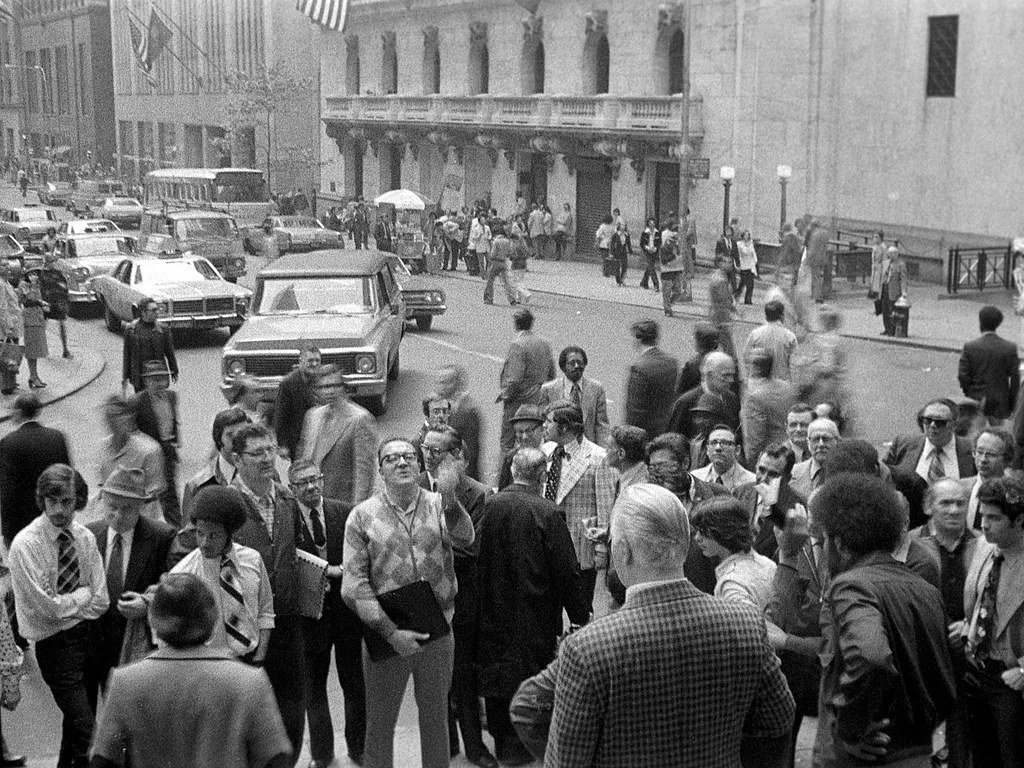
New York Stock Exchange on Broad and Wall Streets in New York City in 1975. Photo courtesy of the Wall Street Journal.
Doug entered the industry at a moment of historic transformation—the dawn of the derivatives market, a complex ecosystem that would soon become a multi-trillion-dollar cornerstone of the global financial system. He arrived at essentially the ground floor, just as the regulatory framework for exchange-traded derivatives was taking shape with the creation of the Commodity Futures Trading Commission (CFTC) as the market’s federal regulator. While others might have found the highly technical work tedious or daunting, Doug found it exhilarating, and quickly immersed himself in the intricacies of a business.

Doug’s talent did not go unnoticed. In 1979, he joined the legal department of JPMorgan and, two years later, was appointed general counsel of the firm’s exchange-traded derivatives business.
JP Morgan’s Office at Wall Street. Photo courtesy of Wall Street Journal.
He would spend the next twelve years there, operating at the heart of finance at a time when the industry was in the process of essentially remaking itself.
New York, the Upper West Side, and Gay Life in Full Color
From 1975 to 1993, Doug lived on the Upper West Side at a time when it was a decidedly gay neighborhood.
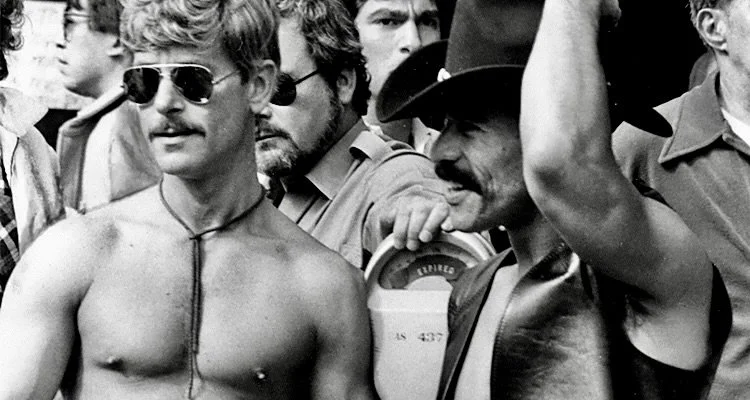
People who lived there at the time described it as “wall to wall gay men,” with bars on nearly every corner and virtually everyone sporting the era’s signature “clone look”—jeans, tight tees, mustaches, and swagger.
The popular clone look of the late 1970s. Photo credit Raw Atlanta.
It was a golden time to be young, ambitious, and part of a vibrant urban gay world. Although the city itself could feel gritty and raw -- the subways were unreliable, un-air-conditioned, sometimes barely lit -- none of it mattered. The sense of possibility was everywhere. The boy from California had found a new home.
Fire Island Pines: An Indifferent Start, But Soon a Place to Put Down Roots
Doug’s gay social life in New York was anchored largely in clubs like Paradise Garage, the 10th Floor, and Better Days rather than the mostly white establishments more commonly associated with the Fire Island crowd, like Flamingo. As a result, when he first visited the Pines on day trips in the mid-1970s, he didn’t have the built-in social network that many others did, and what he found was not always welcoming.
While the Pines community as a whole wasn’t necessarily hostile, individuals could often be cold and largely indifferent. Growing up in racially mixed environments and having spent seven years in Boston during a period when racial tensions in the city were high as a result of school desegregation efforts, Doug wasn’t intimidated. However, he also wasn’t enamored. Initially, he had serious reservations about being in the Pines for an entire summer.
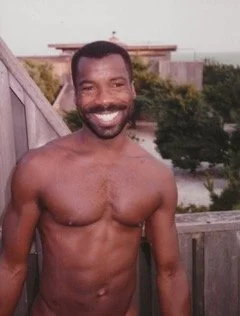
All of that changed in 1979 when Doug began dating someone who had a share in the Pines. Given that guesting was complicated, he took a share of his own in his boyfriend’s house. That summer, as a resident rather than a visitor, his experience was quite different. Although the relationship didn’t work out, Doug had a ball. He made friends and fell in love with the Pines.
Doug Harris, early Pines years. Photo courtesy of Doug Harris.
The following summer, he joined a share house that would stay together for five years with a group that included Allan Baum and his future husband, Frank Liberto. Though all but one of the others in the house would subsequently die of AIDS, Frank, Allan and Doug would go on to live together in the Pines for three decades, eventually buying a house together on Private Walk and later on the bay at Beach Hill Walk. They remained there for several years before Doug, and his husband Bill Van Parys purchased their own house on Tuna Walk. Today, Frank, Allan and Doug remain close as ever. As Allan put it:
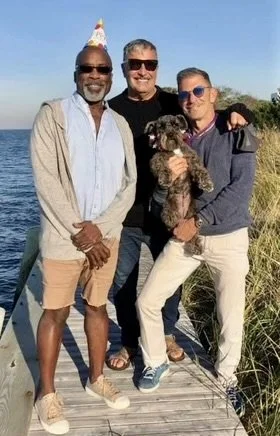
“Doug is part of my chosen family. In Fire Island, if you’re lucky, this can happen. Doug was a wonderful housemate and is a great friend. Very social and fun-loving, he embraced Pines life fully. Most importantly, he is an amazing human being with whom Frank and I remain very close.”
Doug Harris, Frank Liberto and Allan Baum celebrating Doug’s birthday in the Pines. Photo courtesy of Doug Harris.
AIDS
The AIDS epidemic hit the Pines just as Doug was getting settled in. It ripped through the community with terrifying speed, turning a place of freedom into a cradle of grief. Doug remembers the shift clearly: the early summers felt luminous. Then, beginning in 1981, things started to fracture. A few years later, it was devastation. Men who had been vibrant the previous summer were suddenly covered in Kaposi’s sarcoma lesions, skeletal, in wheelchairs—or gone. Entire houses were left empty. The mood turned grim.
The plague was prolonged. Virtually no one, Doug included, escaped untouched. Despite this, he and his friends kept coming to the Pines; over time, it felt like the safest space he could find. As the world felt increasingly dangerous and death was a constant presence, the friendships formed in the Pines became not just meaningful, but essential support systems to Doug and his friends.
For Doug in particular, the Pines offered something rare -- a place where he could be wholly himself. On Wall Street, being openly gay wasn’t safe or simple. Doug was “quietly out” at JPMorgan, but the Pines allowed him to live without editing. The community that he once eyed wearily had become home.
Public Service: From Wall Street to Washington
In 1993, Doug answered the call to serve.

At the request of Eugene Ludwig, the Comptroller of the Currency, he left the private sector and joined the Clinton Administration to help address changes in the financial system.
Eugene Ludwig. Photo courtesy of American Banker.
In June of that year, he moved to Washington, D.C. and joined the U.S. Treasury Department’s Office of the Comptroller of the Currency (OCC) and was appointed Senior Deputy Comptroller for Capital Markets. He was responsible the supervision and regulation of national banks’ derivatives and capital markets trading activities. In that position, he issued the first federal guidance on how banks should manage the risk associated with their derivatives markets’ activities.
During his time in Washington Doug lived openly. In addition to his regulatory work, he also helped oversee affirmative action and Equal Employment Opportunity initiatives at the OCC. Despite his myriad responsibilities, and extensive overseas travel, Doug never missed a weekend on Fire Island, commuting directly from Washington. The Pines had become a part of his life that was non-negotiable.
The Mentor, the Legend, the Connector
After Washington, and short stints as a partner at Arthur Andersen and general counsel of BrokerTec Futures Exchange and Clearing Corp, Doug joined Promontory Financial Group, an elite consulting firm where he advised the world’s leading financial institutions, including Morgan Stanley, Citi, and the Bank of New York.

It was a place he would spend the rest of his professional career, retiring in 2021 at the age of 71, closing out a 46-year run at the center of Wall Street and financial regulation.
Doug Harris with colleagues at MF Global Singapore office. Photo courtesy of Doug Harris.
It would not surprise anyone who knows him to learn that Doug’s impact on the industry wasn’t only institutional. It was personal. Naturally drawn to connecting people and mentoring emerging talent, Doug touched the lives of many in fundamental ways. One such person is DJ Hennes, who worked for Doug at Promontory. He calls him both a mentor and a legend.
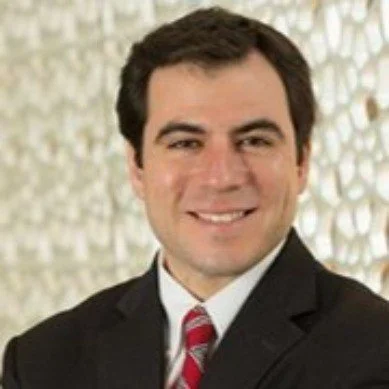
“Doug was my first boss… I still seek his advice at key junctures in my career….a client once told us, ‘Doug knows where all the bodies are buried.’ What he meant was Doug knows his stuff……walking the halls with him at the FIA Law & Compliance Conference made me think I was working with the mayor.”
DJ Hennes. Photo courtesy of DJ Hennes.
In addition to his deep expertise, Hennes highlights what many see as Doug’s most enduring professional trait: empowerment. By example, through instruction and with encouragement, Doug enabled a new generation of financial professionals to step forward, grow and thrive. As Hennes noted:
“He trusted and empowered his staff… He cared about us and wanted us to succeed.”
The Love Story: Doug and Bill Van Parys
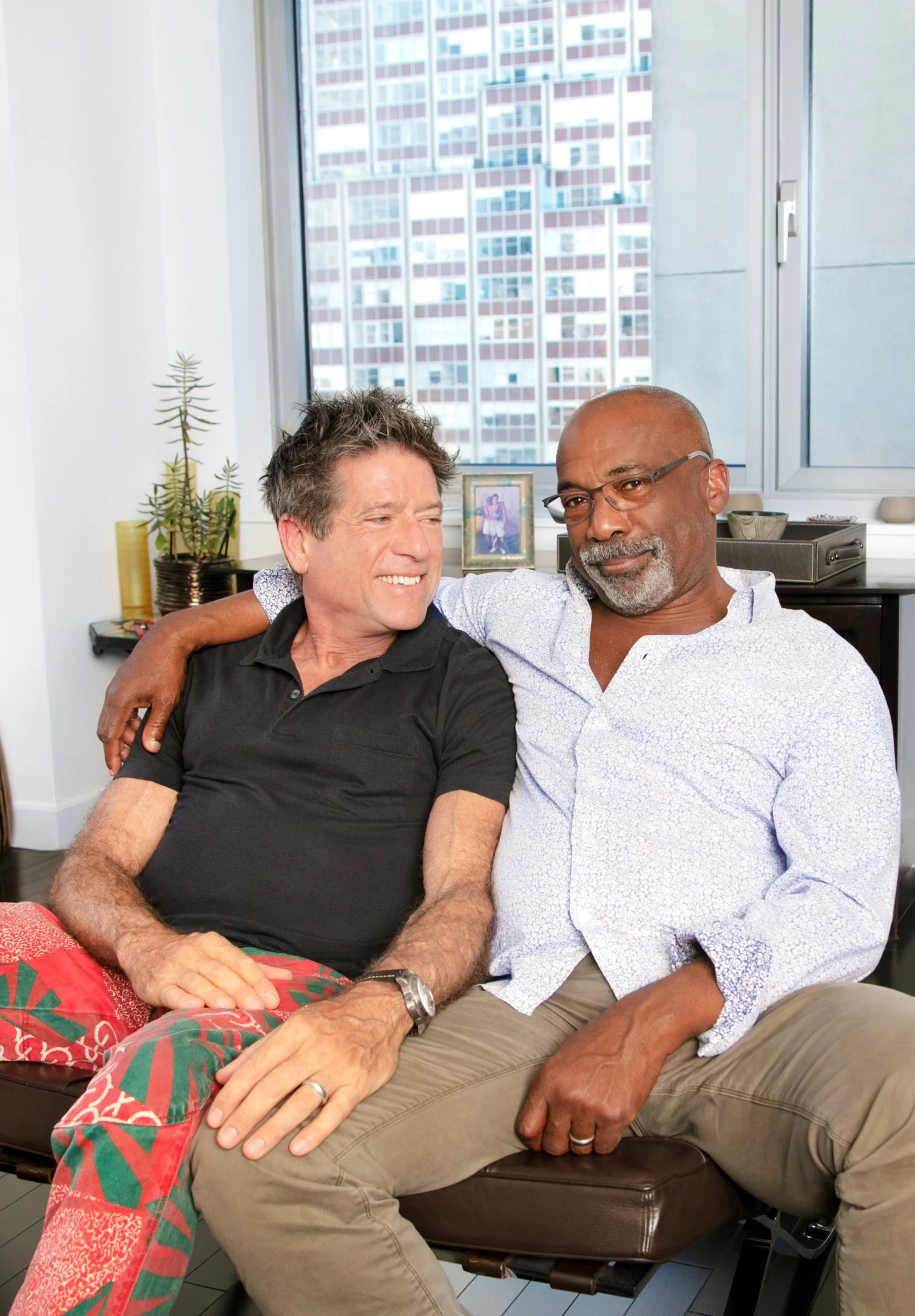
Doug Harris and Bill Van Parys in New York. Photo courtesy of Naima Green for the New York Times
Doug met Bill Van Parys in 1988 at a bodega in New York City. Bill, a media executive with a career that included stints at Rolling Stone, Condé Nast and Time Inc., dated Doug briefly before life carried them in different directions. As Bill noted:
“I was 28 and had just returned from Berlin. A lone wolf, I wasn’t interested in a relationship, so we kept it casual.”
They reconnected in 2000 when Bill wandered over from Water Island to the Pines—and this time it stuck.
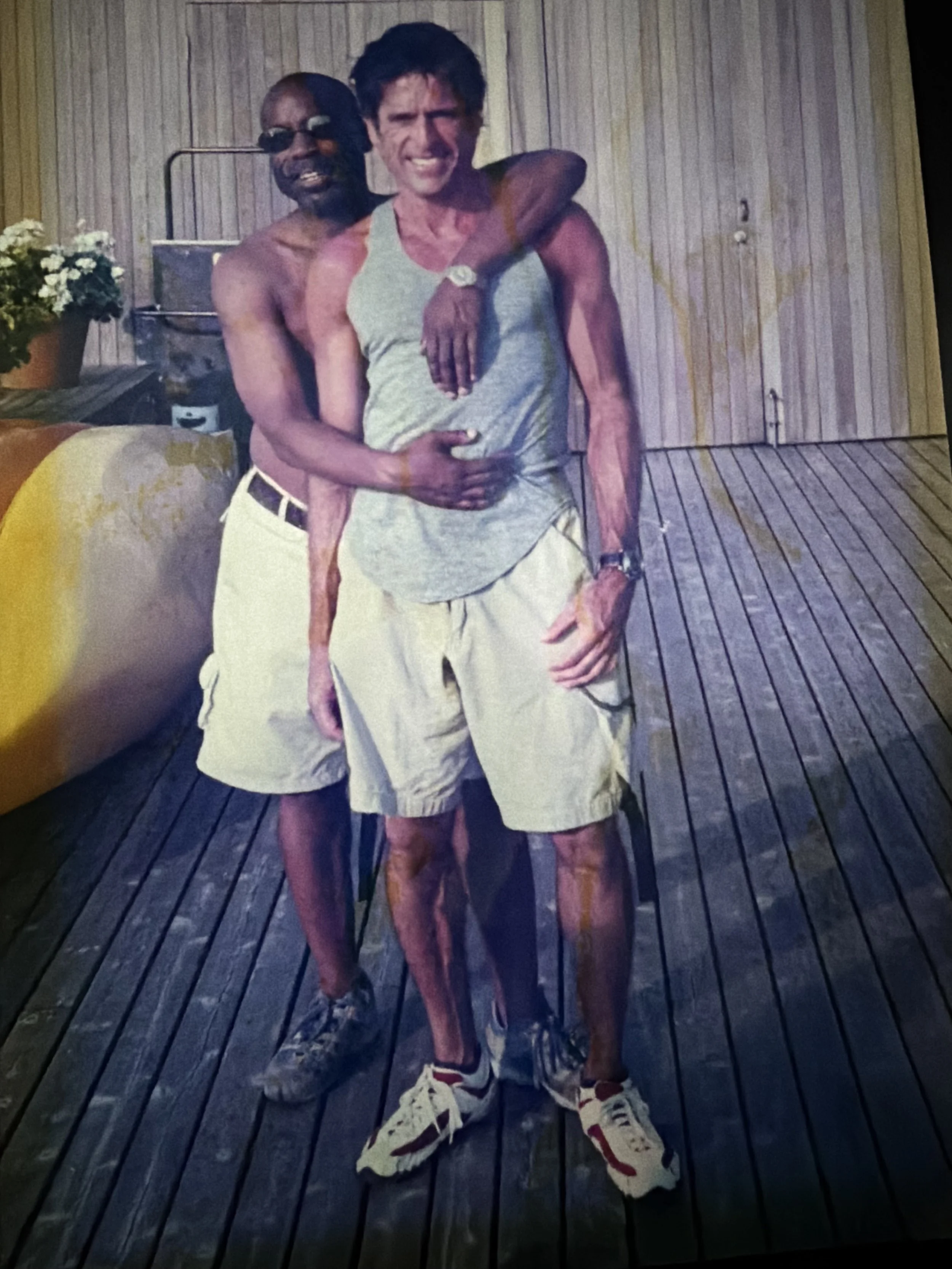
Doug Harris and Bill Van Parys in the Pines. Photo courtesy of Bill Van Parys.
Defying Pines stereotypes, their first date wasn’t cocktails or dinner; it was a Yankee game. It was clear that the attraction was mutual, broad-based and built to last. They quickly moved into each other’s lives, merging their network of friends and becoming entwined with each other’s families.
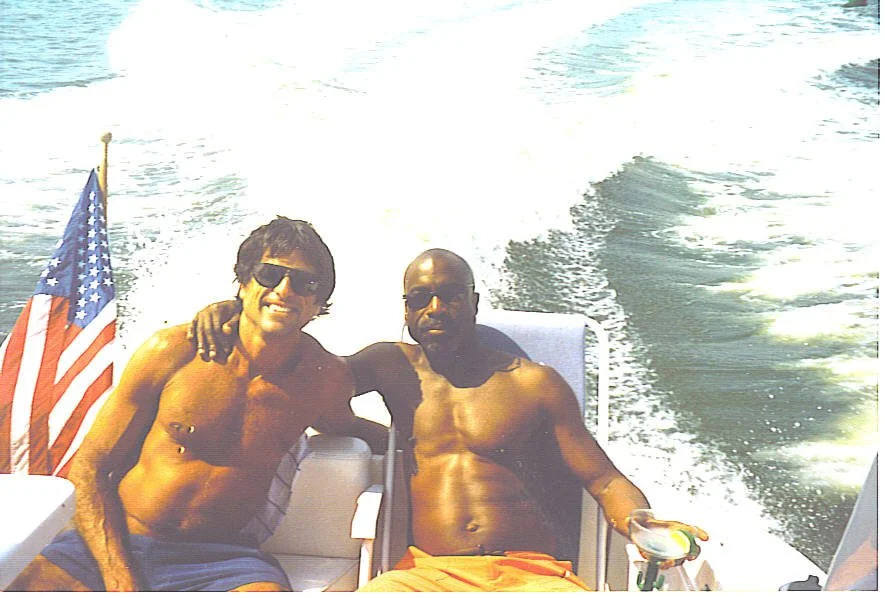
Bill Van Parys and Doug Harris. Photo courtesy of Doug Harris.
While different people, Doug and Bill had common values, mutual respect and the wisdom to allow each other space to be their own man.

Together they built a life with both blood and chosen family, making time for exotic travels – they have been on safaris in Kenya, Tanzania, Rwanda, Botswana, South Africa and Zimbabwe - as well as the simple pleasures of domesticity.
Doug Harris on safari. Photo courtesy of Doug Harris.
The unlikely pairing worked. As Bill put it:
“I never thought I’d date a banker, far less marry one, but Doug is exceptional on every level. What really stands out to me is so many in his position would pull the ladder up once they climbed it; Doug reaches back offering a hand up. He is a smart, loving, compassionate human, husband and friend who is intensely curious -- and wickedly funny! Just don’t try arguing with him, as you will lose!”
Doug Harris and Bill Van Parys in the Pines. Photo courtesy of Doug Harris.
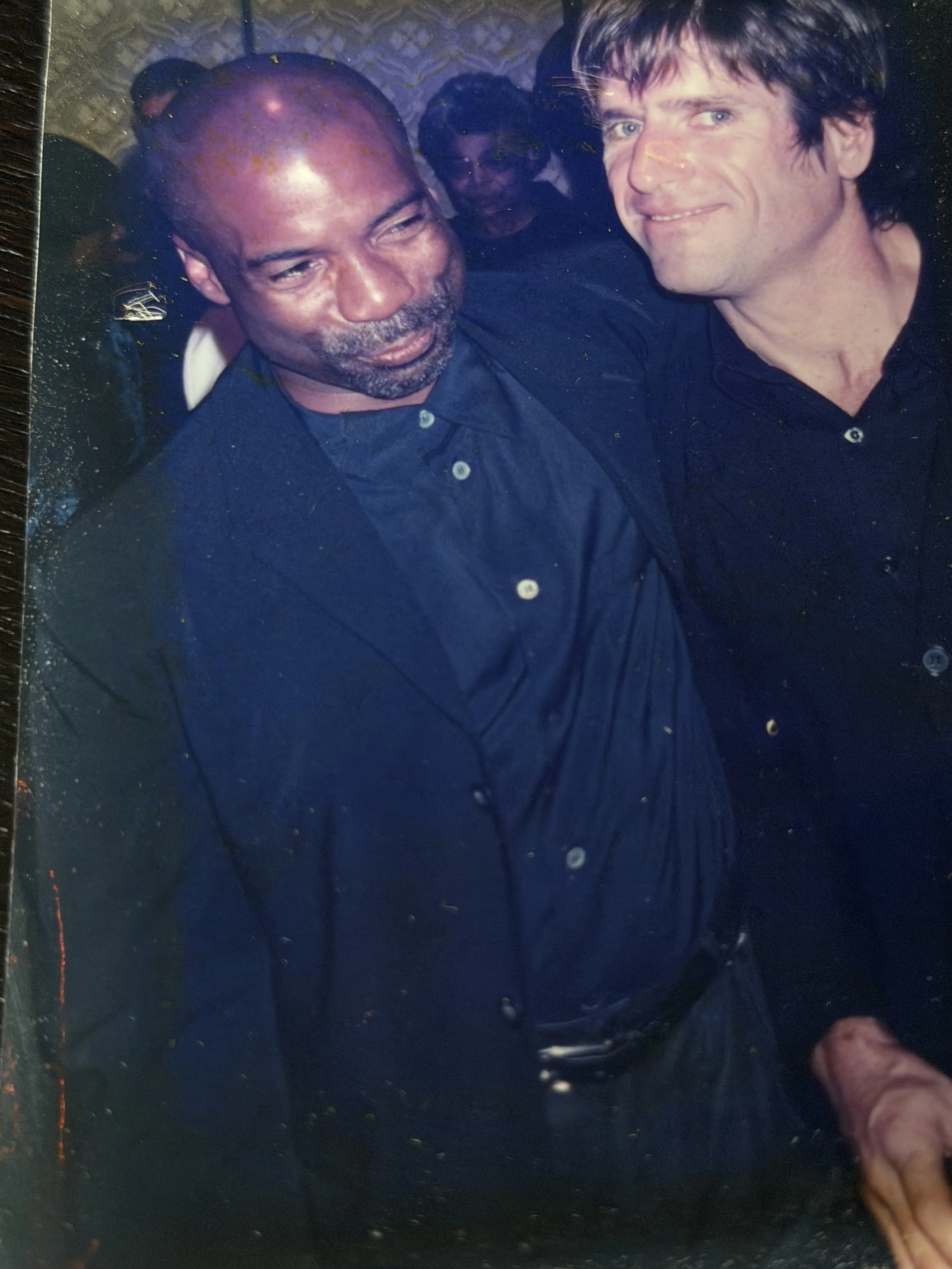
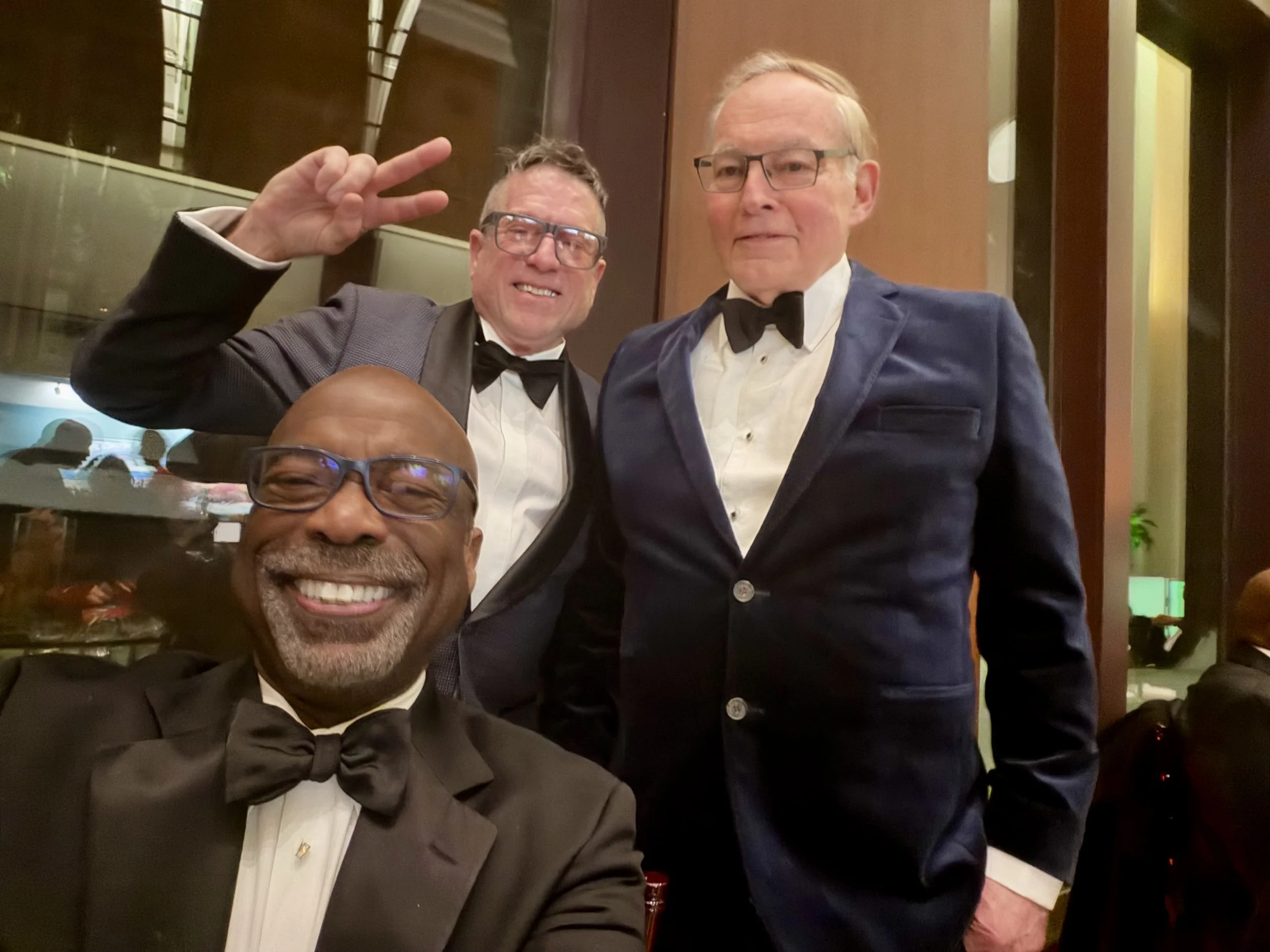
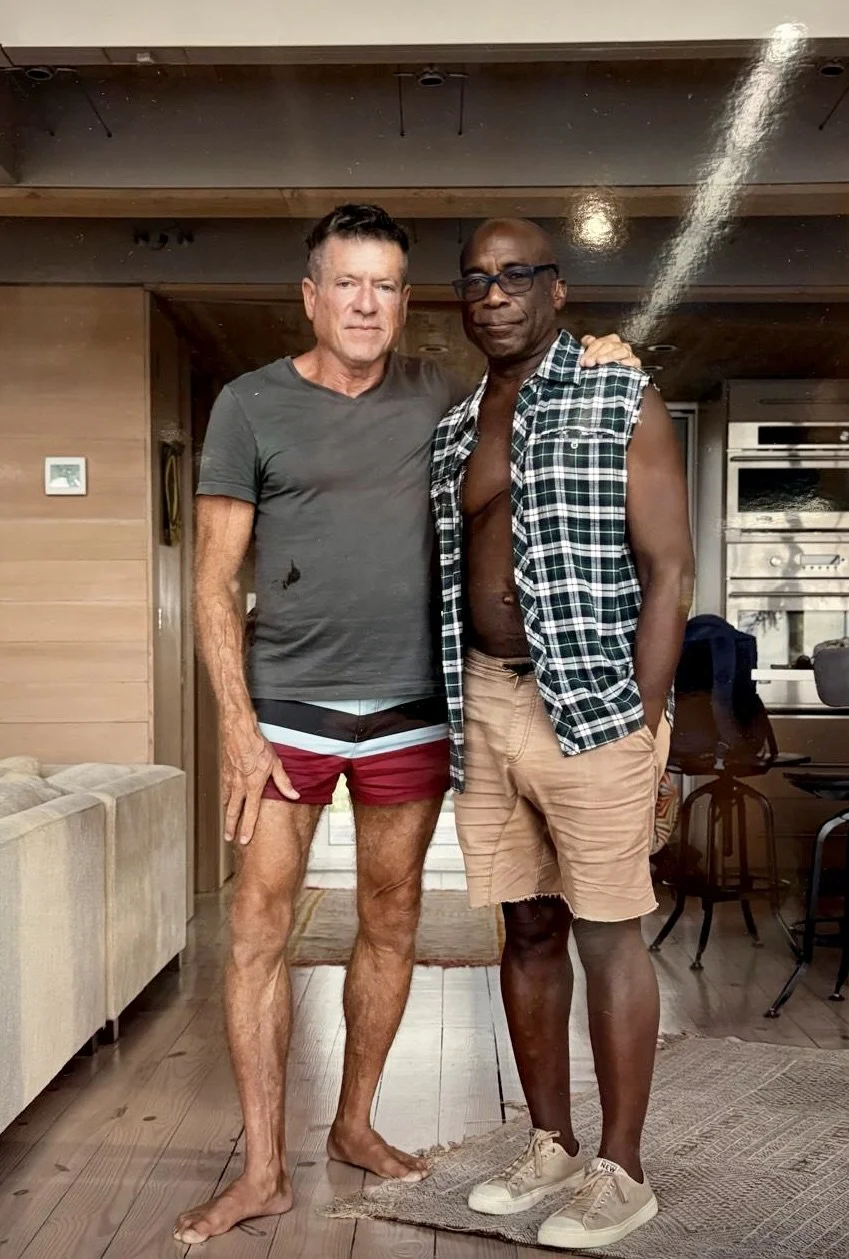
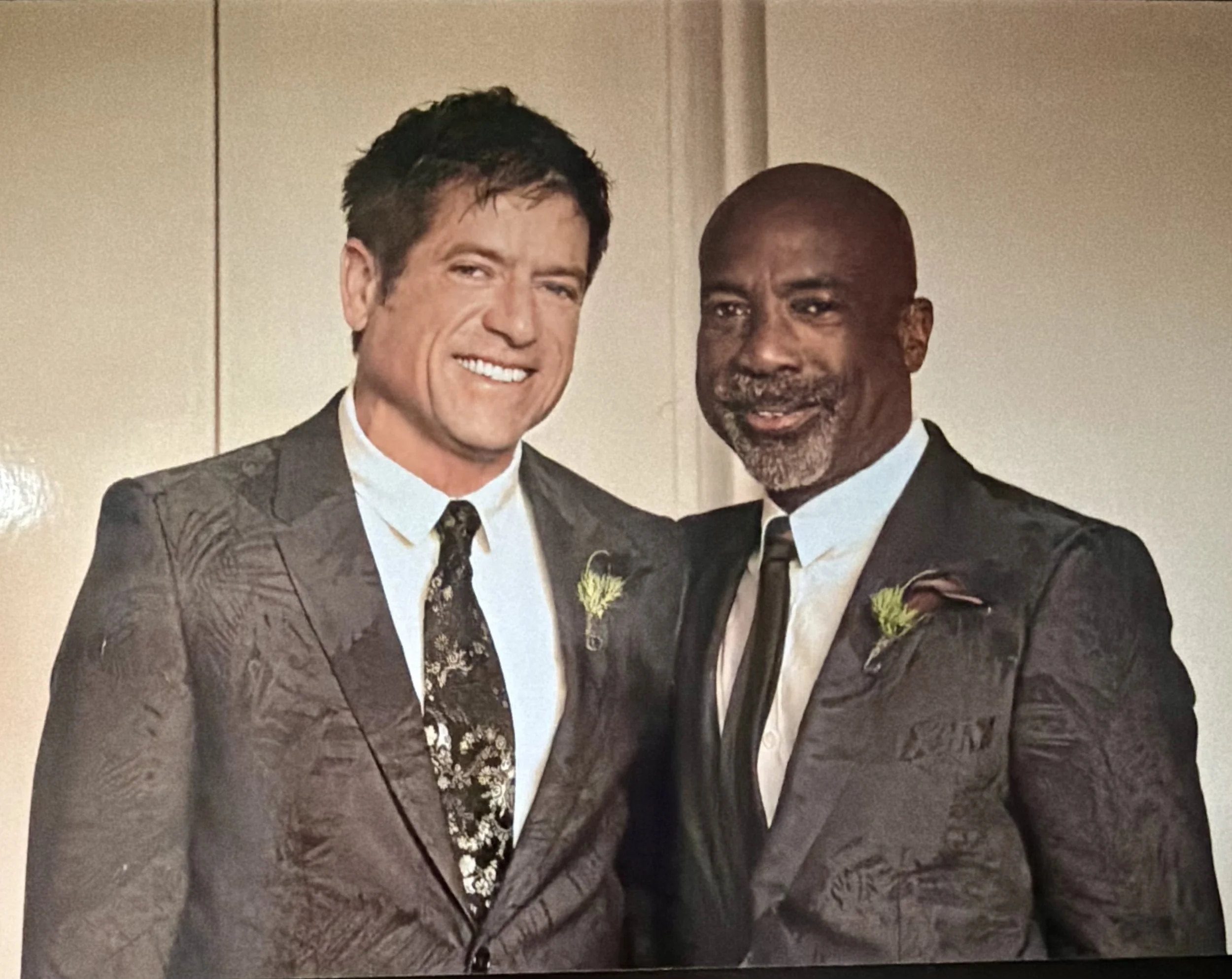
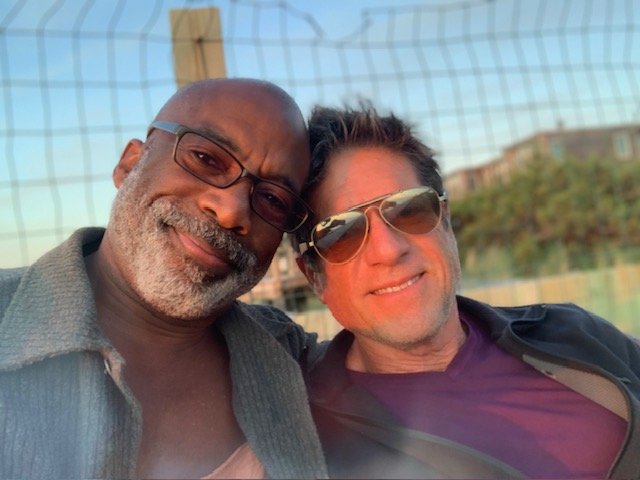
Bill and Doug through the years. (L-R): Doug’s 50th, With college roommate Greg Johnson in 2026, In the Pines (courtesy Wolfgang Tillmans), and their Wedding Day in 2015.
In 2010, Doug and Bill decided to purchase a Pines house on their own. They settled on an A-frame bayfront house on Tuna Walk that had more charm than condition. To make it their dreamhouse, they tapped one of Doug’s closest friends -- architect Scott Bromley.
Scott Bromley and the A-Frame That Became an Icon
Doug and Scott met in the early 1980s at the Crew’s Quarters (now Sip ‘N’ Twirl). Their relationship developed into a deep and much valued friendship, despite vastly different backgrounds and professional worlds -- Doug, the innovative derivatives lawyer from California and Scott, the creative architect and builder from Montreal. When Doug told Scott that he was in derivatives, Scott famously responded: “A derivative of what?”
The Tuna house renovation became one of Scott’s most challenging projects. With an A-frame, walls are also roof. Doug and Bill wanted to eliminate the spiral staircase in the center of the house that obstructed views and broke up the flow inside the house.
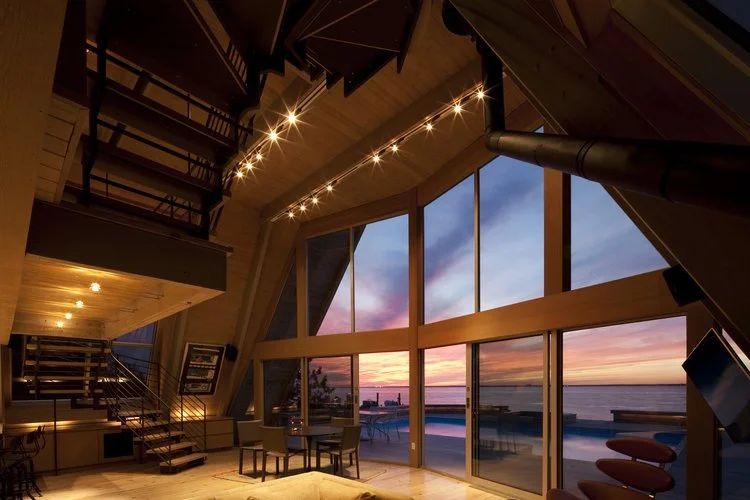
Scott converted the four-bedroom, three-level house into a two-bedroom home with a third floor den with views from one end of Fire Island to the other, a metal roof, bay windows, and a more expansive sense of light and space.
Doug and Bill’s A-frame on Tuna Walk. Photo courtesy of Bromely-Caldari
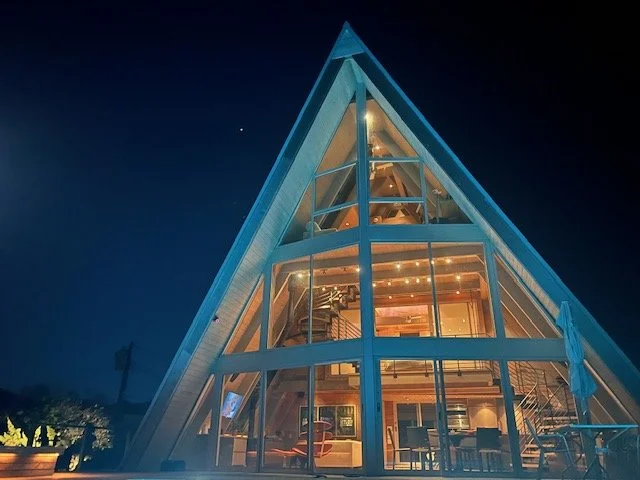
Today it is one of the most photographed and toured homes in the Pines, instantly recognizable, and unmistakably theirs.
Bayfront view of Doug and Bill’s A-frame on Tuna Walk. Photo courtesy of Bill Van Parys.
Doug and Scott’s friendship, too, became a kind of landmark -- Scott gave Doug away at his wedding to Bill in 2015.
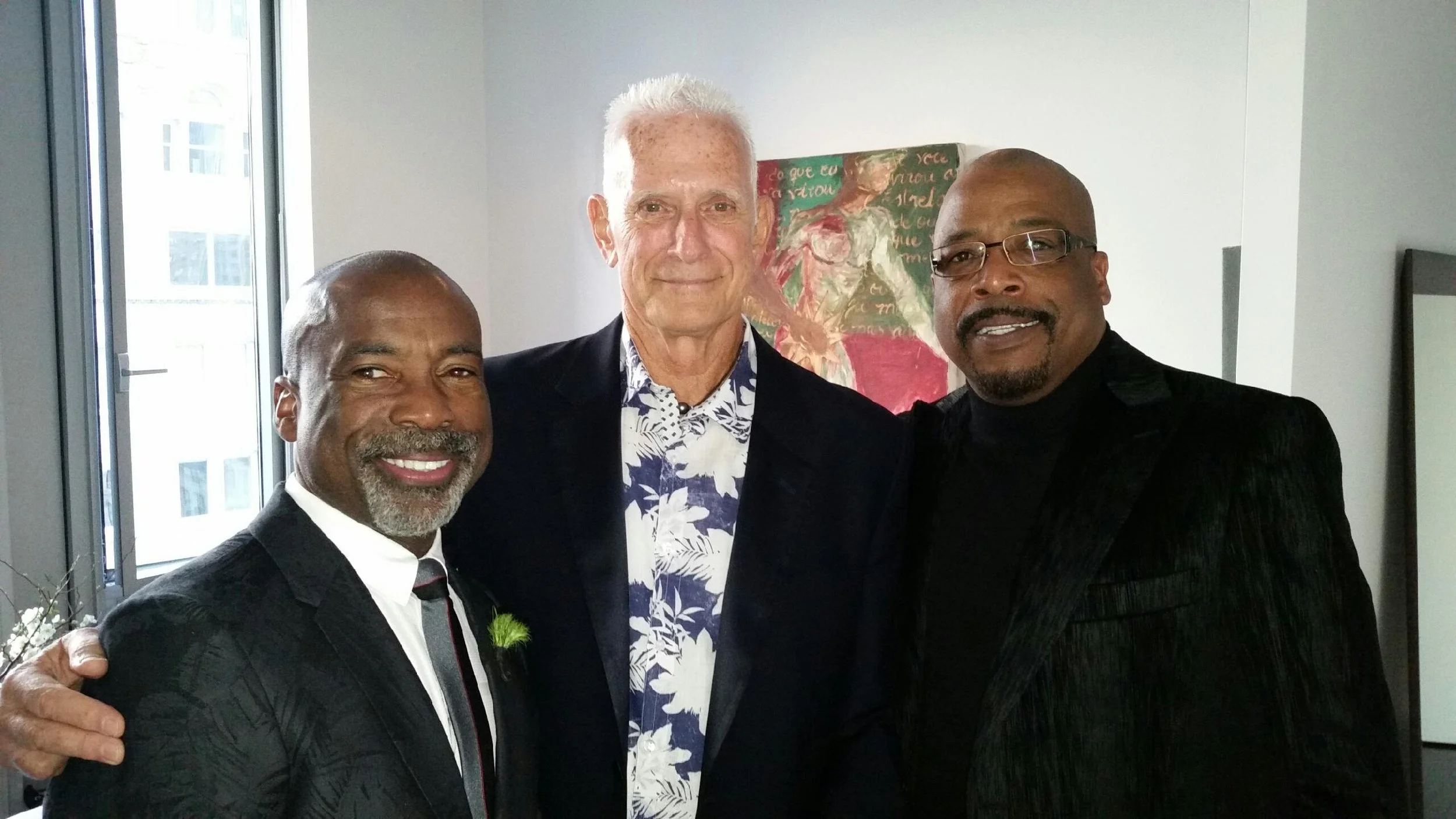
Doug Harris with Best Man Scott Bromley and his brother James. Photo courtesy of Doug Harris.
SAGE: Turning a Cocktail Party into a Cause
Doug’s civic leadership in the Pines began to sharpen in 2011, when Scott was honored by SAGE, an organization focused on helping LGBTQ+ elders to live comfortably with dignity and respect. Doug got involved with SAGE to support Scott. However, as he began to fully appreciate the importance of its work, he committed to the organization. He served on their board from 2013 to 2020 (until terms limits required him to step down), including 2 years as co-chair. Today, he continues to chair SAGE’s Annual Pines Celebration, which has become a highly anticipated rite of spring, which kicks off the summer season.
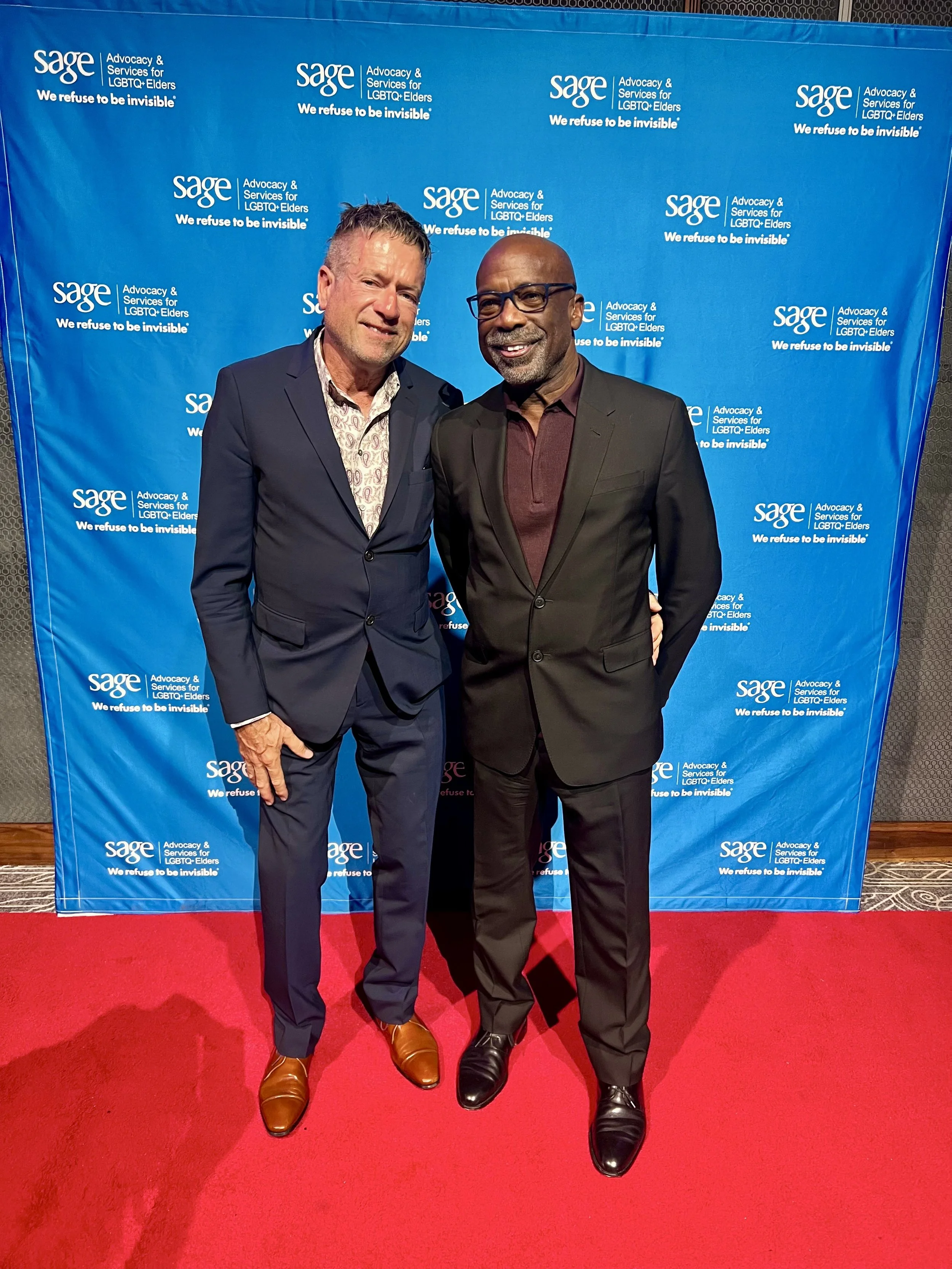
Bill Van Parys and Doug Harris at the SAGE Fall Gala in 2025. Photo courtesy of SAGE USA.
SAGE’s evolution and growth in the Pines reflects Doug’s planning acumen and strategic vision. He understood building SAGE’s brand in the community required deft handling – gay culture, certainly including the Pines, prizes youth and beauty, and elders often struggle to be visible. His approach ensured that the important role SAGE played was appreciated and endorsed by the community, deepening and broadening its connections. He got people engaged – and kept them engaged. He made the event a fun and high quality experience for everyone, and he ensured it elevated people who might otherwise have been overlooked, including female, trans and straight members of the community and those that have provided support in less conventional ways.
Through Doug’s leadership SAGE became part of the fabric of the Pines—not simply a place to fundraise. With his guidance, SAGE has become a consistent supporter of the community by providing funding for the SAGE Mobility Cart, which assists seniors, people with disabilities, and others in navigating the community. Michael Adams, SAGE’s former CEO, had this to say:
“Working with Doug was a dream… He helped us understand the culture of the Pines and position the event as a celebration of the community and SAGE.”
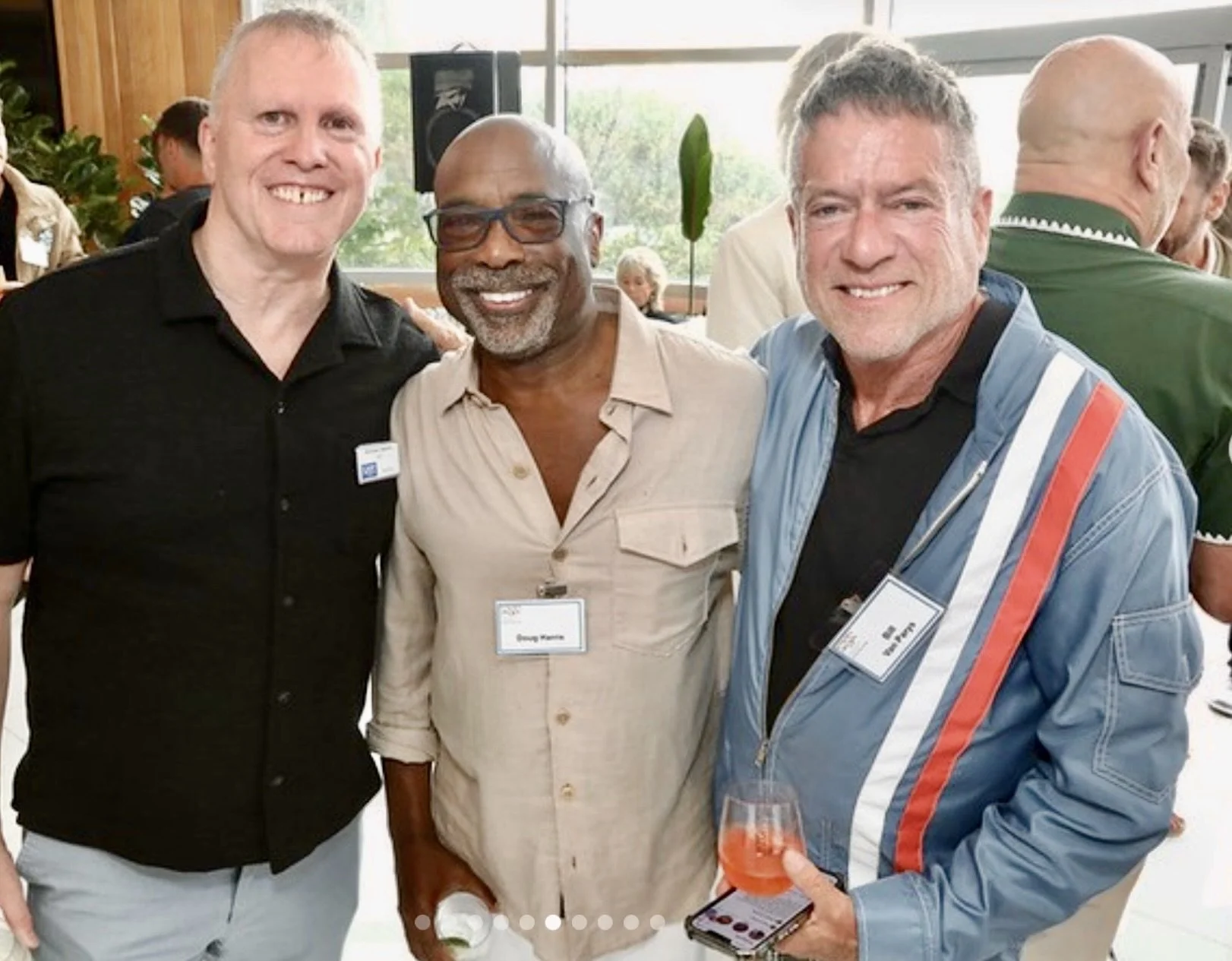
Michael Adams, Doug Harris and Bill Van Parys at SAGE event in the Pines. Photo courtesy of SAGE USA.
The results were dramatic: SAGE raised $26,000 from the Pines event in 2011. By 2023, that number had grown to over $80,000. This growth comes as no surprise to Scott Bromley.
“Once Doug decides to do something, he goes full on. He is so smart… warm, funny, and full of life. When he puts his mind to something, it gets done!”
Doug’s contributions to SAGE, however, go well beyond building its relationship with the Pines. SAGE CEO Lynn Faria credits Doug with helping to shape the culture of their leadership team. She notes during his time on the board, he brought intelligence, enthusiasm and energy to each engagement. But what Faria emphasizes most is Doug’s rare gift for navigating complexity:
“Doug’s most special attribute was his ability to handle difficult or sensitive issues… He could anticipate issues and take preemptive steps to diffuse them before they became problems. This ability to ‘see around corners’ was so incredibly valuable.”
CoBE and Trailblazers Park: Making a Statement the Pines Couldn’t Ignore
In 2020, the murder of George Floyd sparked a racial reckoning across the country, including Fire Island. Members of the community raised their voices and Victor Jeffries and Angelo De Santo organized a Black Lives Matter march on the beach. Shortly thereafter, FIPPOA responded by creating the Committee on Black Equality (CoBE), tasked with recommending ways to make the Pines more welcoming to people of color and Black people in particular. Doug has served on the committee since its establishment.
One of the committee’s key recommendations was the creation of a public space to recognize the contributions of those who advanced LGBTQ+ rights and equality—including women, nonbinary and transgender individuals, and people of color whose leadership has too often been overlooked or undervalued. To bring that vision to life, FIPPOA established the Honoring Trailblazers Task Force, which Doug has chaired or co-chaired since its inception.
The result: Trailblazers Park. Located in the Pines Harbor it bi-annually honors 16 trailblazers with 16 distinct flags designed by artists, all of whom have a connection to the Pines. Designed by TM Davy and built by Scott Bromley, the result was unmistakable: a clear declaration that Fire Island Pines is open to all, and proud to honor those who shaped LGBTQ+ history -- both inside the Pines and beyond.
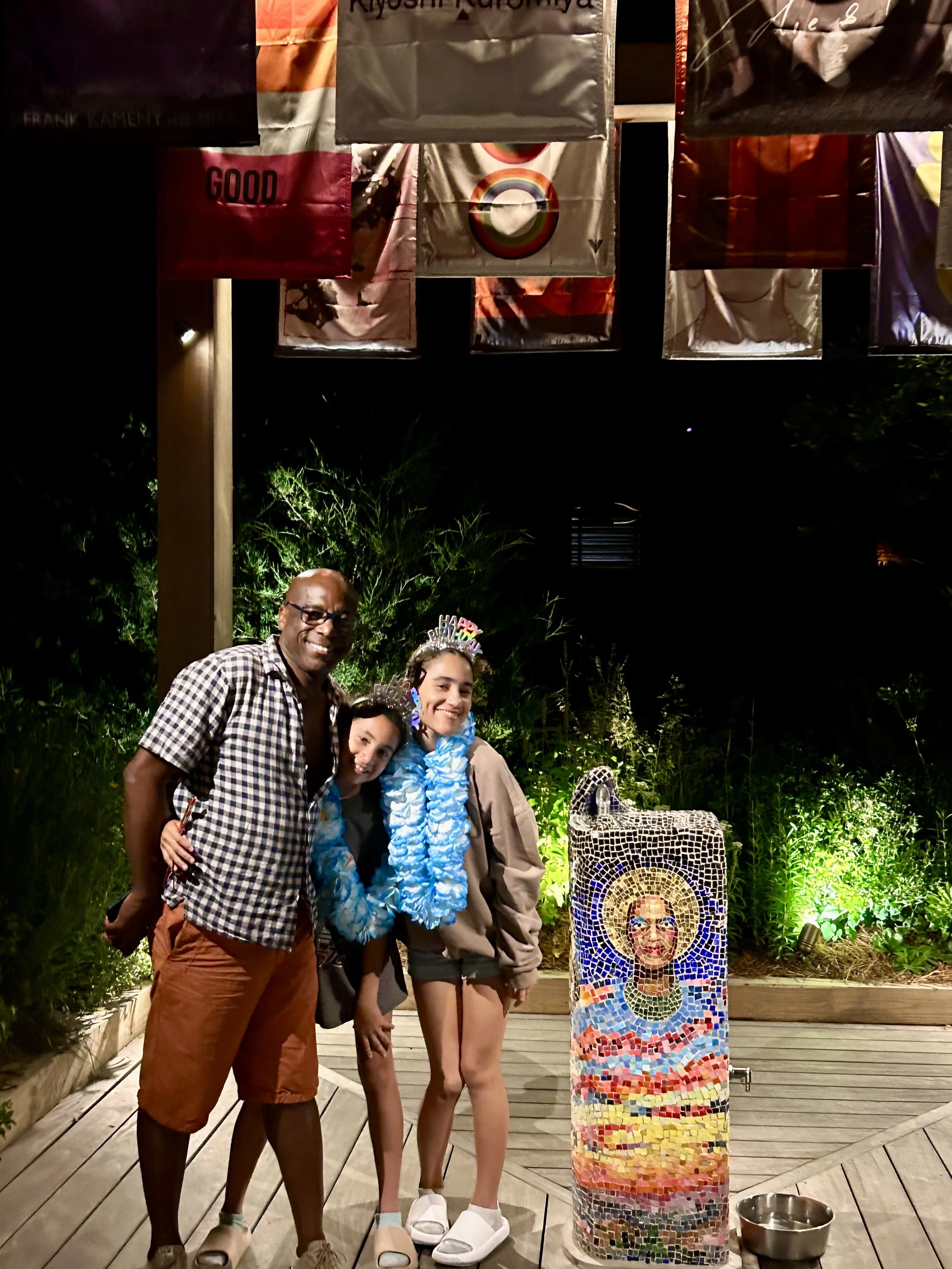
Doug Harris and his nieces at Trailblazers Park. Photo courtesy of Doug Harris.
Like all meaningful public art, Trailblazers Park sparked conversation and, at times, controversy. In 2024, it even became a target for vandalism amid heightened tensions over public commentary relating to the Gaza conflict. Doug was unphased. He understood that change isn’t always easy and some turbulence is to be expected; his steady leadership helped calm the waters. Doug’s looks back on the 2024 controversy as a difficult moment in the Pines, but as one that wasn’t altogether bad. Though Pines residents sometimes think of the community as immune from some of the social and political problems wracking the country, the reality is those issues cross the bay just as easily and often as they do. As Faris Al-Shathir, the leader of BOFFO, reminded him:
“It’s public art, it’s supposed to provoke.”
BOFFO: Investing in the Next Generation
Doug’s instinct for bridge-building drew him to BOFFO, the arts organization whose emergence, alongside that of the Naughty Pines and Denizen, signaled a new wave of queer creativity in the Pines. Younger, and more diverse by race, gender, and identity than many legacy Pines institutions, BOFFO faced resistance and skepticism from some of the established members of the community in its early days. Doug saw what was happening immediately -- it wasn’t just a culture clash, but a generational transition. Doug did what he has always done when the cause is important and he thinks he can help - he showed up.
Doug engaged BOFFO’s leadership offering mentorship, guidance, and connections. He became an advisor and an ambassador, helping them gain traction and credibility in a community that can be cautious or even defensive when embracing change. His support was deeply appreciated. As BOFFO’s head Faris Al-Shathir said:
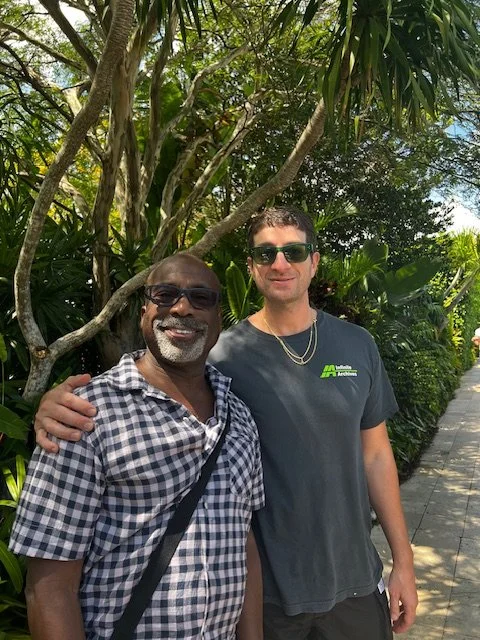
“Doug is kind, smart, and generous. He has a natural inclination to mentor and nurture young people… He is very strategic, cares deeply about the Pines and its future, and has been very supportive of BOFFO, helping us find our place here.”
Doug Harris and Faris Al-Shathir. Photo courtesy of Doug Harris.
The Legacy: A Life of Courageous Decisions
Doug Harris is many things: a financial markets architect, a public servant, a mentor, a fundraiser, a civic leader, a husband, a brother, and a friend. Over the years, he has built a vast network of friends in the Pines and beyond, and a reputation for not only being intelligent and engaging, but also kind, generous, and great company.
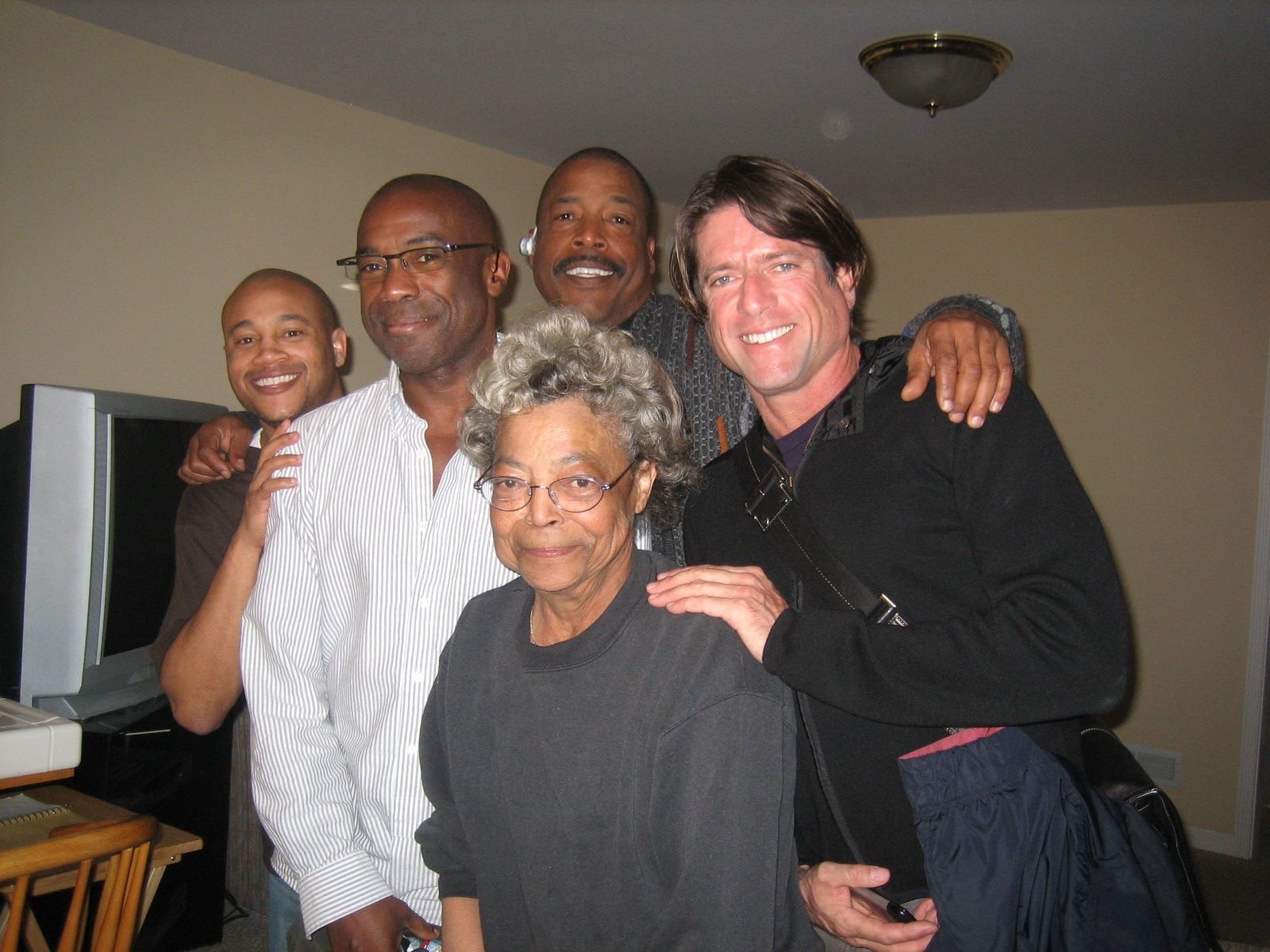
Doug with his family (L-R): Nephew Derrick, Doug, brother James, mother Helen, and husband Bill. Photo courtesy of Doug Harris.
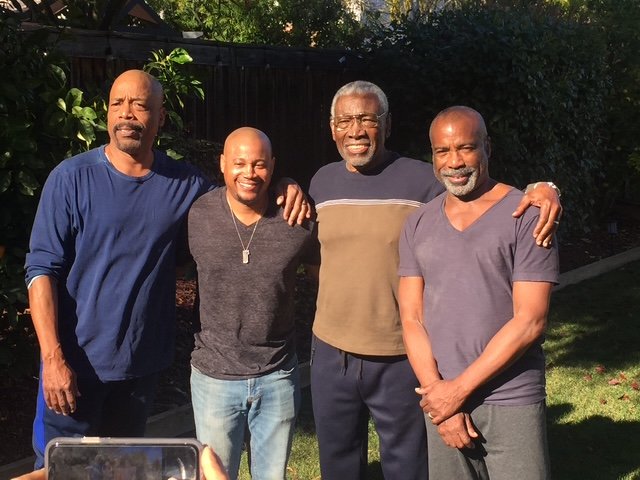
t
The Harris Boys (L-R): Brother James, nephew Derrick, Dad (James), and Doug. Photo courtesy of Doug Harris.
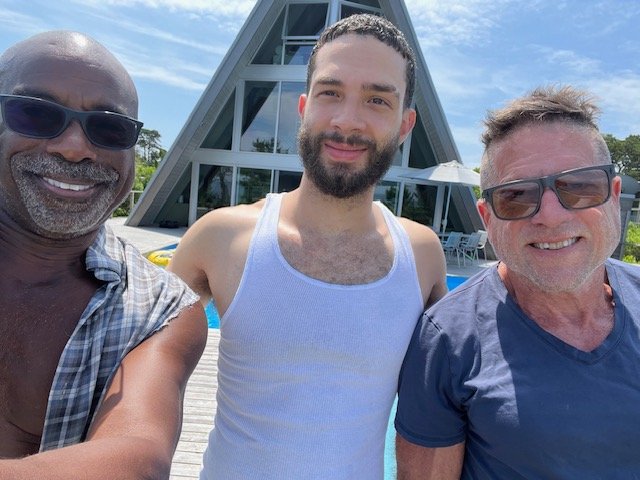
Doug Harris with his godson Avery and husband Bill. Photo courtesy of Doug Harris.
Although he spent much of his life as a practitioner of high finance, Doug has a strong affinity for writers and artists - ‘creative types’ as he would say - many of whom are part of his chosen family. One such person is Crayton Robey, a longtime Pines resident and creator of the acclaimed Fire Island Pines documentary Where Ocean Meets Sky. Over the years they have socialized and worked together.
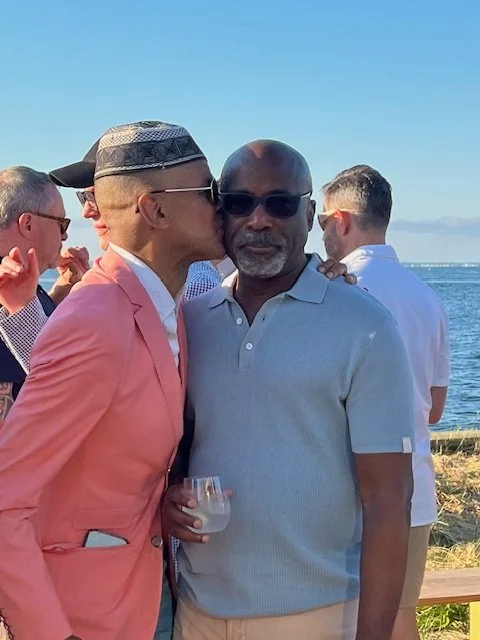
“Doug Harris embodies the highest standards of Black excellence, queer excellence, and personal excellence. He leads with authority, grounded in a lifetime of achievement, and guided by a heart that genuinely cares. A pillar of the Fire Island Pines community, Doug effortlessly connects philanthropy with action, all while diving headfirst into Pines life, savoring every moment, and celebrating it with joy, style, and unmistakable flair.” - Crayton Robey.
Crayton Robey and Doug Harris in the Pines. Photo courtesy of Doug Harris.
Perhaps what’s most notable about Doug and his life journey is the choices he has made: consistently he has done what’s right, not what’s easy.
He left California for Harvard because authenticity mattered.
He put his academic career at risk protesting inequality and racism because they are wrong.
He stepped away from Wall Street power for Washington service because his country needed him.
In a community that prizes youth, he committed to SAGE because seniors matter.
He is active in CoBE and continues to chair the Trailblazers Task Force because the Pines needs to be welcoming to all LGBTQ+ people and be a safe place where everyone can be their authentic selves.
He rallied behind BOFFO because the future depends on who is invited in.
Doug’s life is proof that leadership isn’t just about standing at a podium and making speeches. Sometimes it looks like building community, year after year, relationship after relationship, cause after cause, until a place becomes bigger, kinder, and more honest than it was before. He’s shown it’s not only about what you say, but how you listen and what you do. And part of building the future is forging connection and expanding common ground.
In Fire Island Pines, Doug Harris didn’t just find a chosen family. He helped expand the definition of who gets to belong.